


I don’t usually start my columns with a warning, but in this case I will.
Not just a trigger caution for those, like me, who are traumatised by descriptions of sexual assault, but also a ‘how long do I have to keep protesting this shit?’ anger, frustration, disgust, and alarm as well.
A 20-year-old Canadian woman on holiday in Australia landed at Belongil Beach. She had too much to drink and became disoriented. Her phone was flat. She was distressed, lost, and vulnerable. She came upon some men camping, and asked for help. One of them, Roberts, aged 36, raped her, despite her pleas, her repeated protests, her pain, and her humiliation. A horrible act of selfishness and brutality that robbed the victim of her self-confidence, her trust, her ability to lead a normal life. Her complaint was immediate, but he was apprehended four years later through a DNA test for another matter. He pleaded not guilty, thus the victim had to go through a trial where the issue was consent. She had to endure cross examination where it was repeatedly put to her that she wanted oral and vaginal sex with this stranger. Sure. He was convicted by a jury of his peers.
The defendant had temporarily separated from his wife and three children, with another on the way. He was on a road trip with some mates, fuelled by alcohol and illicit drugs. He had no prior record.
The sentencing judge commented ambiguously regarding his background and the travel binge:
‘The situation really that the offender found himself in leading up to the offending could be categorised on the evidence as one of despair and of feeling powerless. It is perhaps an extreme reaction but nevertheless the reaction of a kind that might be expected when so much loss is suffered in a short period’.
Sentencing in NSW permits a maximum term, and a minimum term – also called a non-parole period. The vast majority of prisoners serve the minimum so that is the key number. A sentence is lessened by up to 25 per cent for an early plea of guilty, which of course in his case did not apply. His minimum sentence was two years and nine months imprisonment, which was backdated to consider some time on remand. He gets out in February 2028.
The same week, another man named Edwards was sentenced. He also had four kids, also 36 years old, a long-term marriage and no prior record. Over Covid, his business suffered greatly, and he sold illicit drugs to an undercover officer. As is so usual with these offences, he started off selling a small amount, but when the police officer asked for larger deals he went back to his supplier and complied. Some people can resist everything but temptation. Over a period of three months he sold about $15,000 worth of MDMA and cocaine. He pleaded guilty at an early opportunity, and so the full discount of 25 per cent applied. His remorse was found to be genuine, he was supported by family, friends, and community, and he had spent time in custody and on restrictive bail awaiting court. He was sentenced to a minimum term of two years and one month imprisonment, to be released in August 2028.
So, accounting for the plea differential, the sentences for Edwards and Roberts were the same.
One crime has a victim. A real living breathing person whose life has been, and will be forever adversely affected. The other involves the supply of an illicit drug at the request of another willing (police) participant. Drugs which a significant number of Echo readers, politicians, journalists, police, and lawyers will have dabbled in at some time or other, probably with no ill effect. Of course, illicit drugs can and do cause harm when abused, but in the ACT and Portugal (for example) possession of these drugs has been decriminalised with no mass eruption of destruction at the very least.
Both sentencing courts applied the law as it stands. Neither judgment exhibited grounds for further appeal. Indeed, I know of rape cases in NSW, where after a full defended trial, the perpetrator was not even sentenced to a term of imprisonment – and that penalty was not interfered with on appeal.
Here is my take. The sentence for the rape was grossly inadequate and does not represent my values, or community values. One of the fundamental functions of sentencing is denunciation – and two years and some months just does not work for me. You know, possession of a joint carries a maximum penalty of two years. We all know women who have been sexually assaulted, and the echoes of those episodes haunt them forever. Women have the right to get drunk, get lost in the dunes, and run their phone out without having to face the risk of men almost double their age taking advantage and raping them. Or any man for that matter. And if they do, the sentence must reflect our revulsion and horror at this crime, particularly where there is a plea of not guilty.
And for Mr Edwards. Sure, fine him or put him on a good behaviour bond. He is the victim of a criminal justice system stuck in some 1950s time warp of restricting substances that cause an altered state of consciousness.
In the case of Roberts’ victim, she bears the weight of sentencing laws that treat denied sexual violence as some sort of minimal breach of acceptable conduct warranting a similar sentence.
It is no small irony that the two offences are entangled. Trauma is the gateway drug to addiction, and how many of the customers of Edwards were the victims of people like Roberts?
How long do we need to keep protesting this shit?
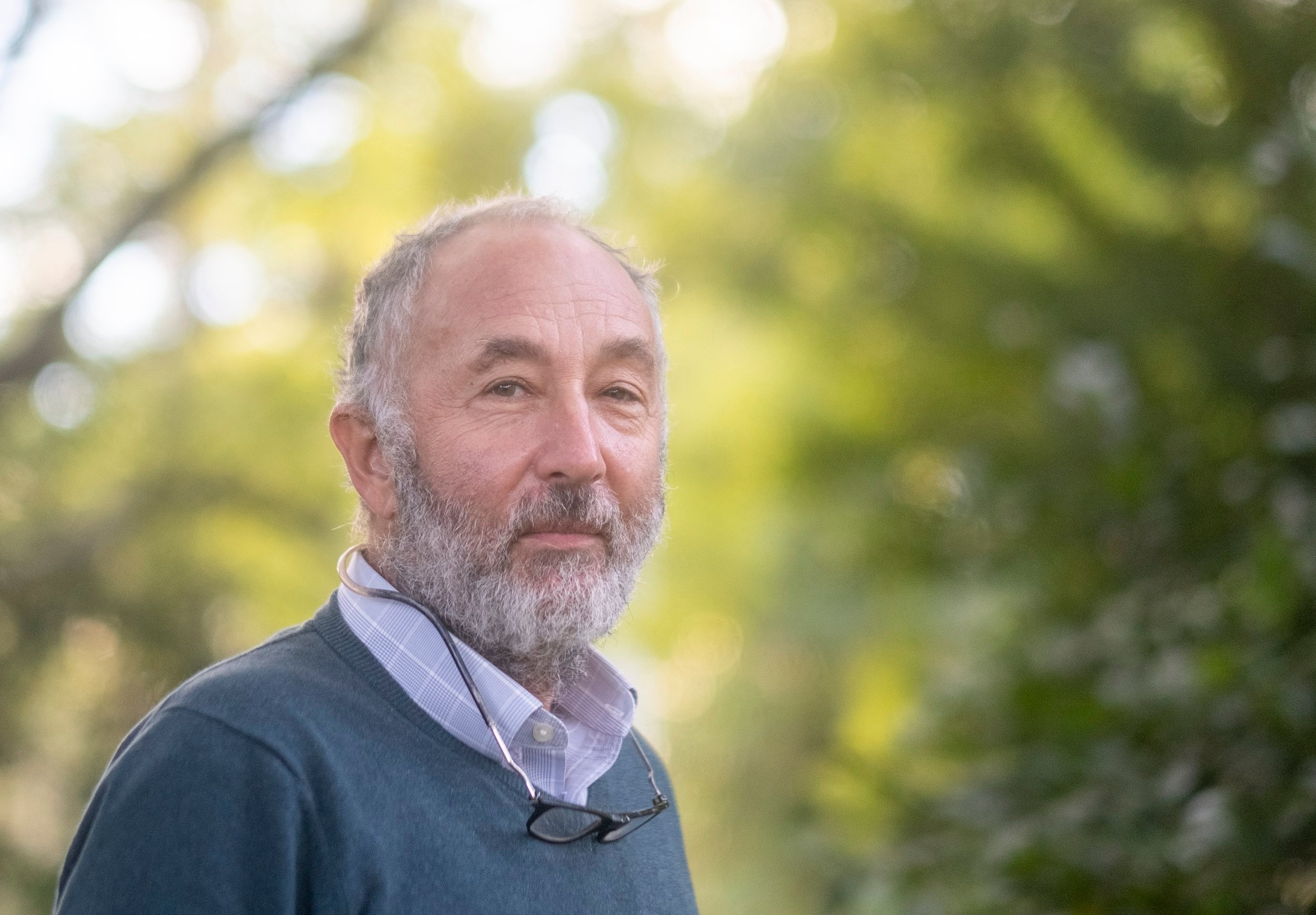
Professor David Heilpern is SCU Dean of Law and Chair of Discipline, Faculty of Business, Law and Arts.
 For four decades The Echo has printed the stories some people loved, some people hated, and some pretended not to read. If you want us to keep telling the truth, the real truth, not the sugar-coated version. We’ll need your support to keep the presses rolling.


