


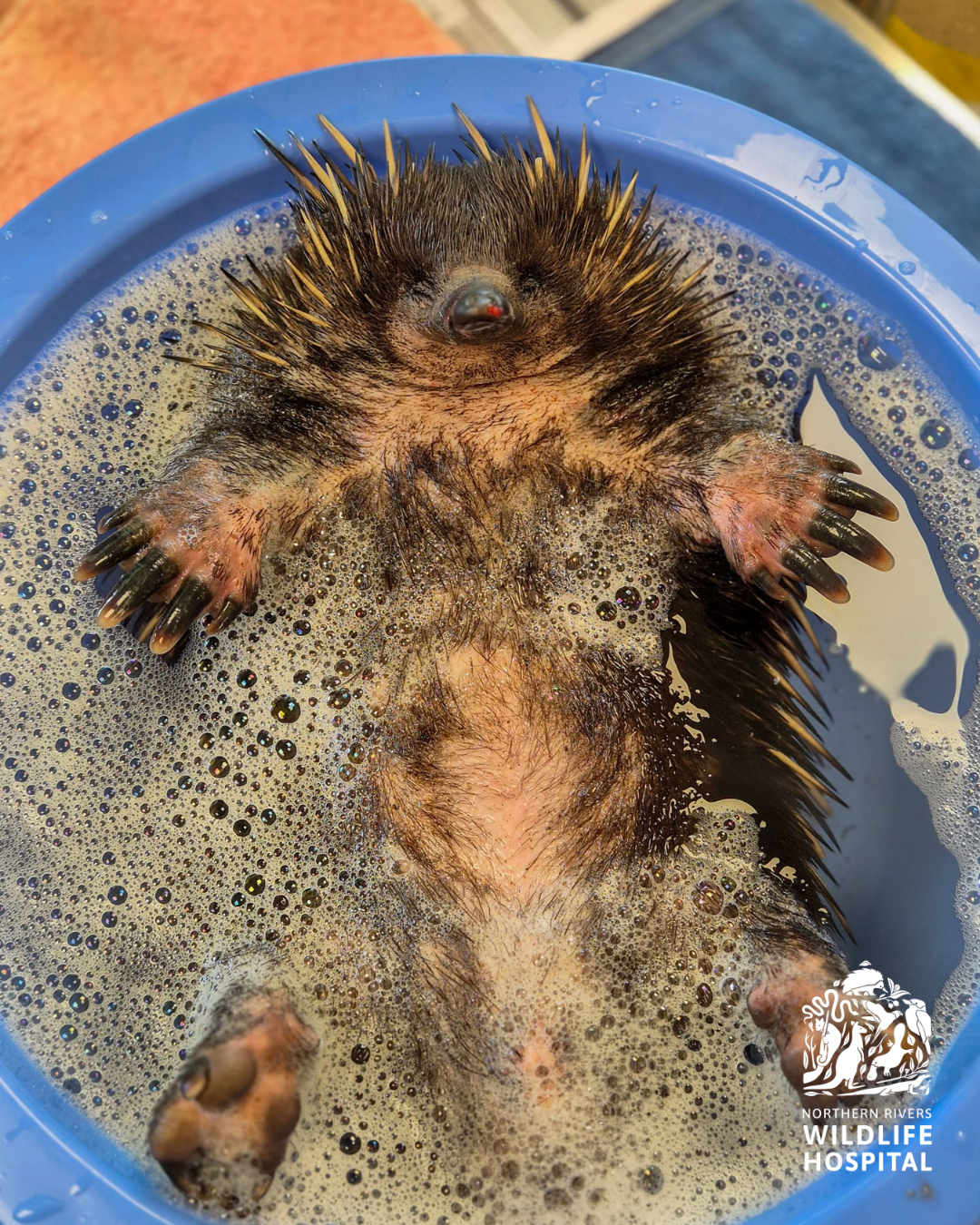
The Northern Rivers Wildlife Hospital (NRWH) is calling for urgent support as ongoing underfunding threatens the region’s only purpose-built wildlife hospital at a time when local wildlife need it more than ever.
NRWH is an important part of the wider network of wildlife carers, rescue organisations and veterinary services caring for native wildlife across the region. Over the last year the community-owned, not-for-profit hospital at Wollongbar has treated and cared for more than 2,000 native animals free of charge.
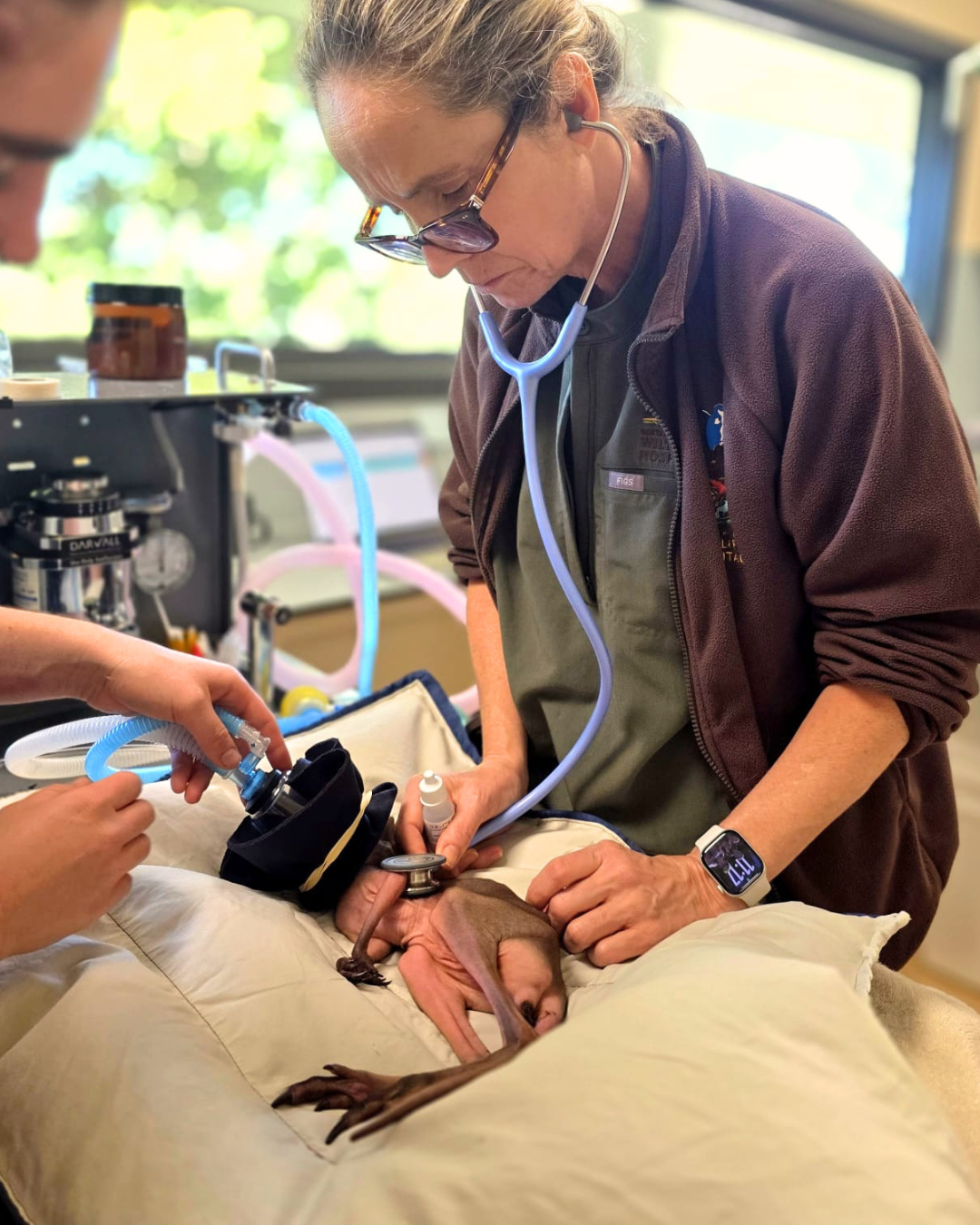
Chair of the NRWH, Madeleine Faught, said that the underfunding of the hospital is putting the service at risk of closure.
‘Sometimes we see up to 20 animals a day from a range of species,’ she told The Echo.
The warning comes as the Northern Rivers prepares for another serious threat to native wildlife, with H5N1 avian influenza (bird flu) having been detected in wild birds and at least one marine mammal in Australia.
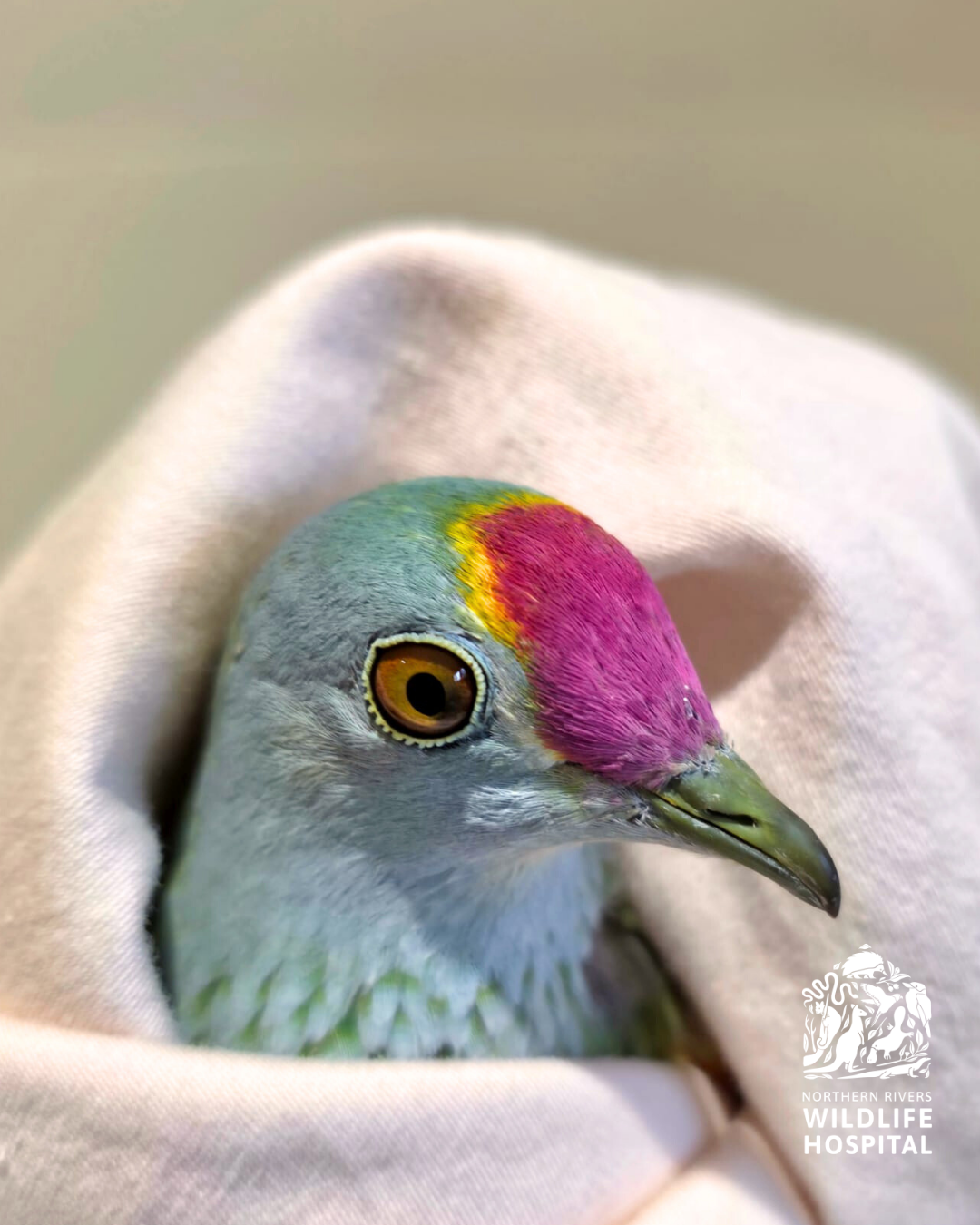
‘With H5N1 expected to reach our region, we have been working hard to prepare. With dedicated outdoor triage facilities, biosecurity protocols and spacious Crown land to expand our response, we are ready.’
If NRWH were to close, the region would lose important wildlife treatment capacity, purpose-built facilities and veterinary expertise that would be extremely difficult to replace.
‘As an independent not-for-profit, the hospital relies on funding and support from government, Councils, donors and the community to continue providing this care,’ Ms Faught explained.
The centre has already pared back and let go casual staff at the centre.
Can you help?
‘We are now calling on government, Councils, philanthropists, businesses, and individuals to rally behind the hospital and help secure its future.
‘If you are in a position to provide financial support, or can connect us with an individual, organisation or government body that may be able to help, we would be incredibly grateful to hear from you,’ Ms Faught said.
For funding enquiries or to discuss how you can help, contact: [email protected].
 For four decades The Echo has printed the stories some people loved, some people hated, and some pretended not to read. If you want us to keep telling the truth, the real truth, not the sugar-coated version. We’ll need your support to keep the presses rolling.