


As a Mullumbimby resident, I want to raise what I believe is a significant issue facing our community: the disconnect between Byron Shire Council’s (BSC) desire for more housing, and the reality faced by ordinary residents trying to provide it.
Last year, we completed a strata subdivision of our property in Ann Street. We already had an approved secondary dwelling (granny flat) that had been on the property for 11 years.
Costs of subdivision
We assumed the process of creating a separate title would involve the normal connection costs for services. We were wrong. By the time the subdivision was completed, it had cost $200,000 (not including the value of the land itself).
For many people, that figure alone makes creating additional housing financially impossible.
What surprised us most was that many of the costs had little to do with the subdivision itself.
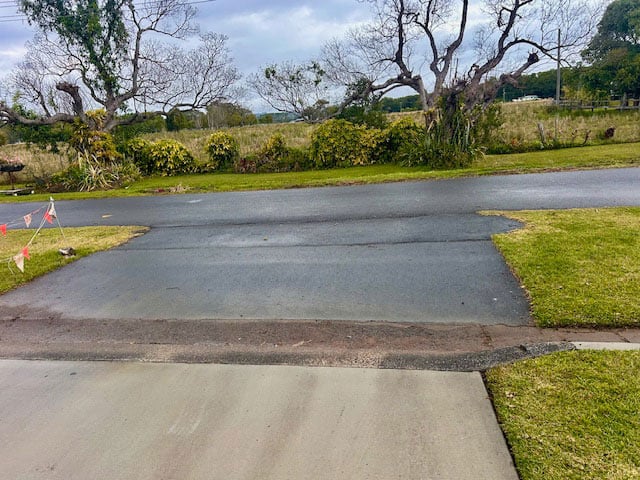
As part of the approval, we were required to pay for the sealing of Hollingworth Lane behind our property. Not only did we have to seal the section adjoining our property, but we also had to extend the work beyond our boundary to connect with existing sealed pavement to a laneway with uneven levels. We were also required to install kerbing along the lane, despite there being no comparable kerbing along other non-drainage-side laneways in Mullumbimby.
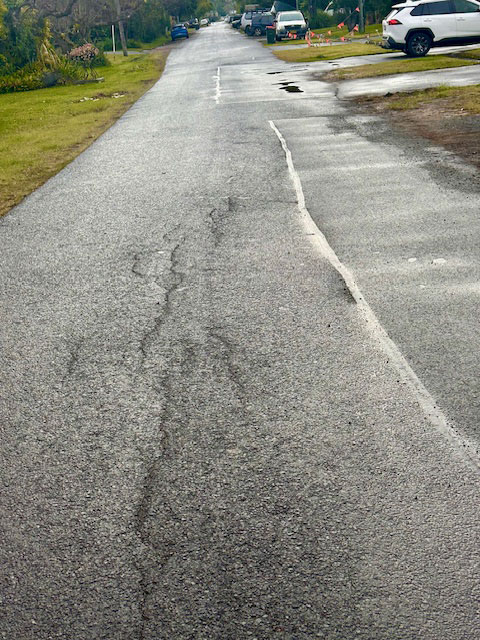
We were further required to upgrade our driveway in Ann Street to comply with current standards, even though it had been acceptable for many years. Shortly after we completed and paid for these works, the road was excavated for new water mains, and it has not been restored to the same condition. The irony is difficult to ignore.
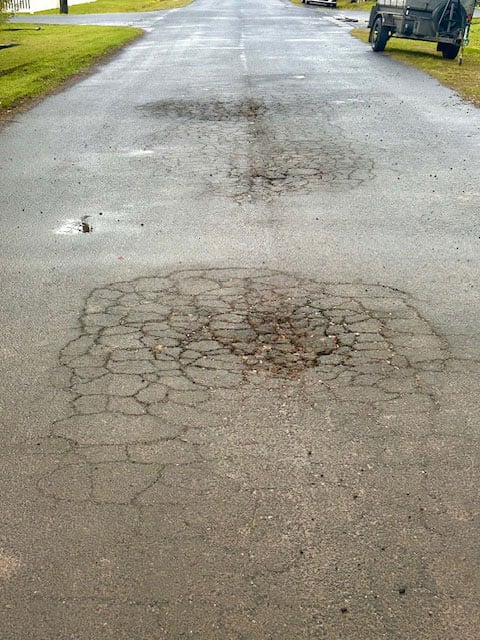
Infrastructure that private residents are required to build must meet an exceptionally high standard before Council will sign it off, yet many Council-managed roads throughout Mullumbimby continue to deteriorate with potholes and cracking.
Council should be held to same level
After the installation of new water pipes through Ann Street and King Street, many residents have noticed increased cracking and potholes. Whether related or not, the roads are clearly in need of attention.
Meanwhile, Council now receives double the annual rates from our property because each lot is rated separately, despite it being a strata subdivision where some infrastructure, such as sewer and stormwater systems, remains shared.
The bigger concern, however, is infrastructure.
Our area has flooded twice in the past decade.
While no drainage system can prevent every flood event, adequate stormwater infrastructure can reduce the impact on homes and businesses. As Mullumbimby grows, our drainage, roads, and sewerage infrastructure also need to grow. Simply approving more housing without making the necessary infrastructure investments places increasing pressure on systems that were designed for a much smaller population.
The NSW government is encouraging increased housing across the state to address housing shortages. If councils are expected to facilitate more homes, then the approval process should support that objective rather than making it prohibitively expensive for existing residents.
If it costs $200,000 to create one additional dwelling (that was already there) on land that is already developed, how can we realistically expect more people to provide housing?
Not helping the housing crisis
Surely we need a planning system that balances sensible compliance with common sense. Residents should not be discouraged from contributing to the housing supply through excessive costs and infrastructure requirements that appear inconsistent with the standards applied elsewhere.
This isn’t simply about one subdivision. It’s about asking whether our current system is helping solve the housing crisis, or making it worse.
If other residents share my concerns about the rising cost of development, deteriorating local infrastructure, and the growing risk posed by inadequate stormwater, roads and drainage, I encourage them to speak up.
Our community deserves to know whether enough investment has been made to maintain and upgrade the infrastructure needed to support Mullumbimby’s growth. We should be asking whether ratepayers are receiving value for the rates and developer contributions they pay, and whether infrastructure is keeping pace with increasing demand.
I have already written to the NSW Audit Office asking that these matters be independently examined. If others believe our community deserves greater transparency and accountability, I encourage them to make their voices heard as well by emailing [email protected].
 For four decades The Echo has printed the stories some people loved, some people hated, and some pretended not to read. If you want us to keep telling the truth, the real truth, not the sugar-coated version. We’ll need your support to keep the presses rolling.


