


I never planned to become a mother. But then I never planned not to either. As a feminist, non-maternal woman, I have ended up the mother of five kids, ranging from 16 to 30 years. It was a shock to me, and in a way, I think it continues to be a shock to them.
I have centred my conversations around mothering. I have written books, opinion pieces and focused much of my comedy material around my experience of performing this relentless task of love and loss, of tyranny and toil. My aim was always to see the women who felt unseen. To recognise unrealistic expectations. To normalise feelings of failure. To celebrate loss.
My drive as a chaotic, unconventional, imperfect mother was to reach out to women like me. And I have found them. But in doing that, I realise now I have excluded childless women. A group who often must sit through our stories in silence. Must tolerate conversations centred around pregnancy and birth. Around what prams are best to get in the car. What colour to paint the nursery. Which paint is the least toxic? How to get a baby to sleep? A child to school? How to stop a biter. God it must be intolerable. I mean what do you even add to a conversation like that?
Childless women, or women without children must endure a culture where they are underrepresented, often maligned and ridiculed, patronised and ignored. Childfree women are excluded for not having a family and are more likely to be targets for workplace incivility and aggression. They are also likely to be negatively stereotyped.
Our language of inclusivity forgets them, and they are often absent from the mainstream narrative. Or if not absent they are treated with suspicion. Then there’s the intrusive questions. Why didn’t you have children? Did you not want them? Are you unable to have them? Is it political? Do you regret it?
These are very personal questions that childfree women must often endure in public settings, often with strangers. A passing conversation often elicits the question of a woman ‘Do you have children?’ When she says no, there is a pause. A pause that fills with cultural assumptions about her worth. About not fulfilling her biological role. About being selfish. Or unwanted. Or left behind.
This is unspoken but it lives in the broader dialogue of brutal public opinion, and she feels the discomfort. She feels the intrusion on her very personal choices, in a public setting, in a meaningless conversation with a stranger that suddenly becomes fraught. You see, if you answer, ‘Yes I have children,’ the small talk continues. You volunteer age, number of kids, and move on. No one asks if you regret it.
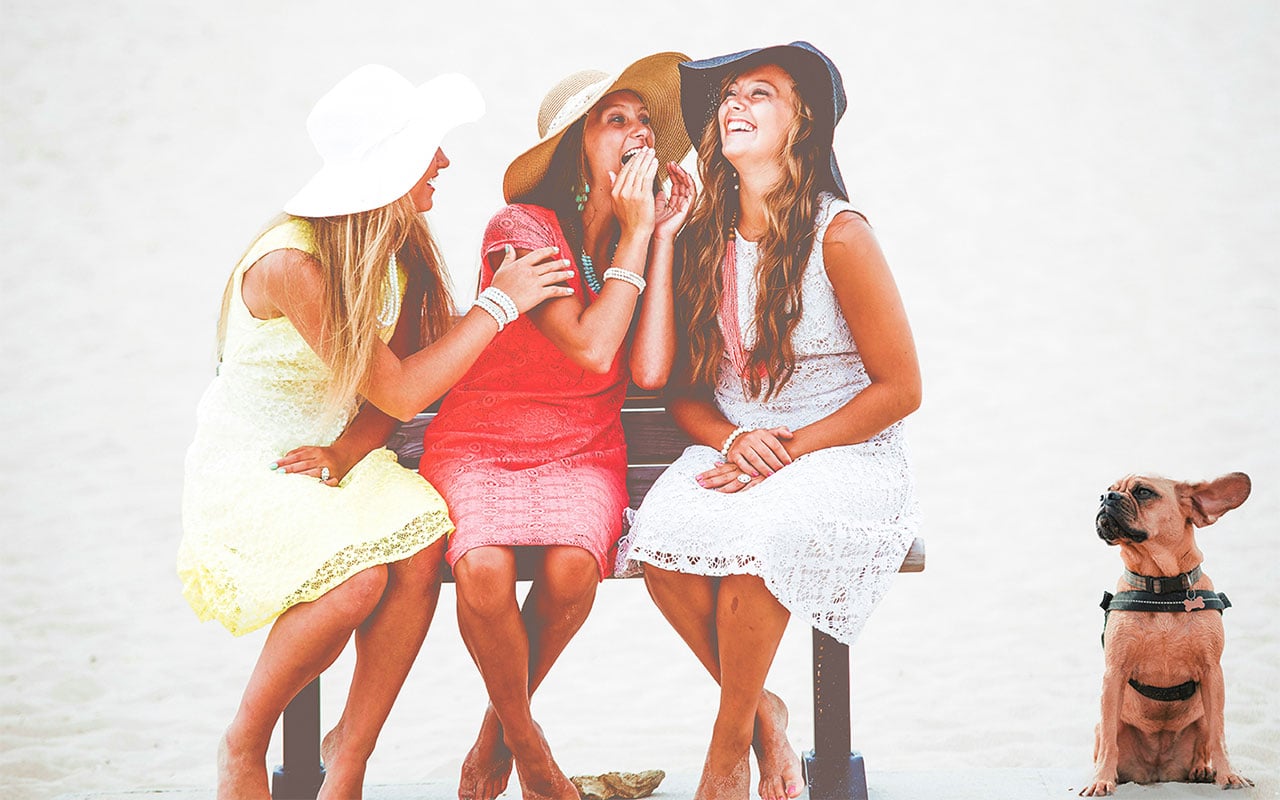
So for the women who don’t have children this go-to question is a trap. Often she’ll fill the gap with a conversation about her ‘fur baby’. It’s a good diversion.
God help a childfree woman who doesn’t have a dog.
I am writing this because I want to say sorry to all those women who don’t have children who have had to witness me ignore you. Listen to me centre my experiences of mothering leaving no space for you, except to sit quietly on the fringe. Thanks for your good nature, for your grace, for your patience.
I say this in response to a friend gently suggesting after an event, that women who don’t have children be acknowledged in conversations, or at least in the framing. She was right. So many of my closest friends are childless women. The women whose company I seek because they’re interesting and informed and politically and socially engaged… and fun.
And guess what, when it comes to being childfree, studies tend to indicate that they don’t regret it. So maybe we need to start coming up with more inclusive small talk. Like… ‘do you have a dog?’
Mandy Nolan’s Soapbox column has appeared in The Echo for almost 23 years. The personal and the political often meet here; she’s also been the Greens federal candidate since before the last two federal elections. The Echo’s coverage of political issues will remain as comprehensive and fair as it has ever been, outside this opinion column which, as always, contains Mandy’s personal opinions only.
 For four decades The Echo has printed the stories some people loved, some people hated, and some pretended not to read. If you want us to keep telling the truth, the real truth, not the sugar-coated version. We’ll need your support to keep the presses rolling.


