


A co-living project for women over 55 is gaining momentum in the North Coast, with a local organisation claiming it is attracting investment and has nearly the funds to deliver its first dwelling.
Women 4 Homes founder, Dionne Payn, told The Echo that, ‘The women investing in the project are separate from the women who will live there as renters’.
‘The co-owners pool their funds to purchase and own the property, and a separate group of older women pay affordable rent to live there. The model is designed to serve both groups, but they are not the same women’.
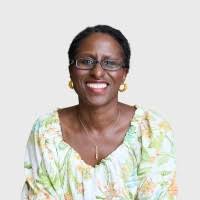
Ms Payn says Tintenbar woman Geraldine Crumpton ‘is one of about 20 women who have joined their forces and money to purchase their first co-living property.’
‘As an elderly woman who once came close to homelessness herself, Geraldine knows firsthand the terrible stress that comes from feeling vulnerable and uncertain about the future. When Geraldine heard about a new innovative method of making a difference in the housing crisis, she leapt in’.
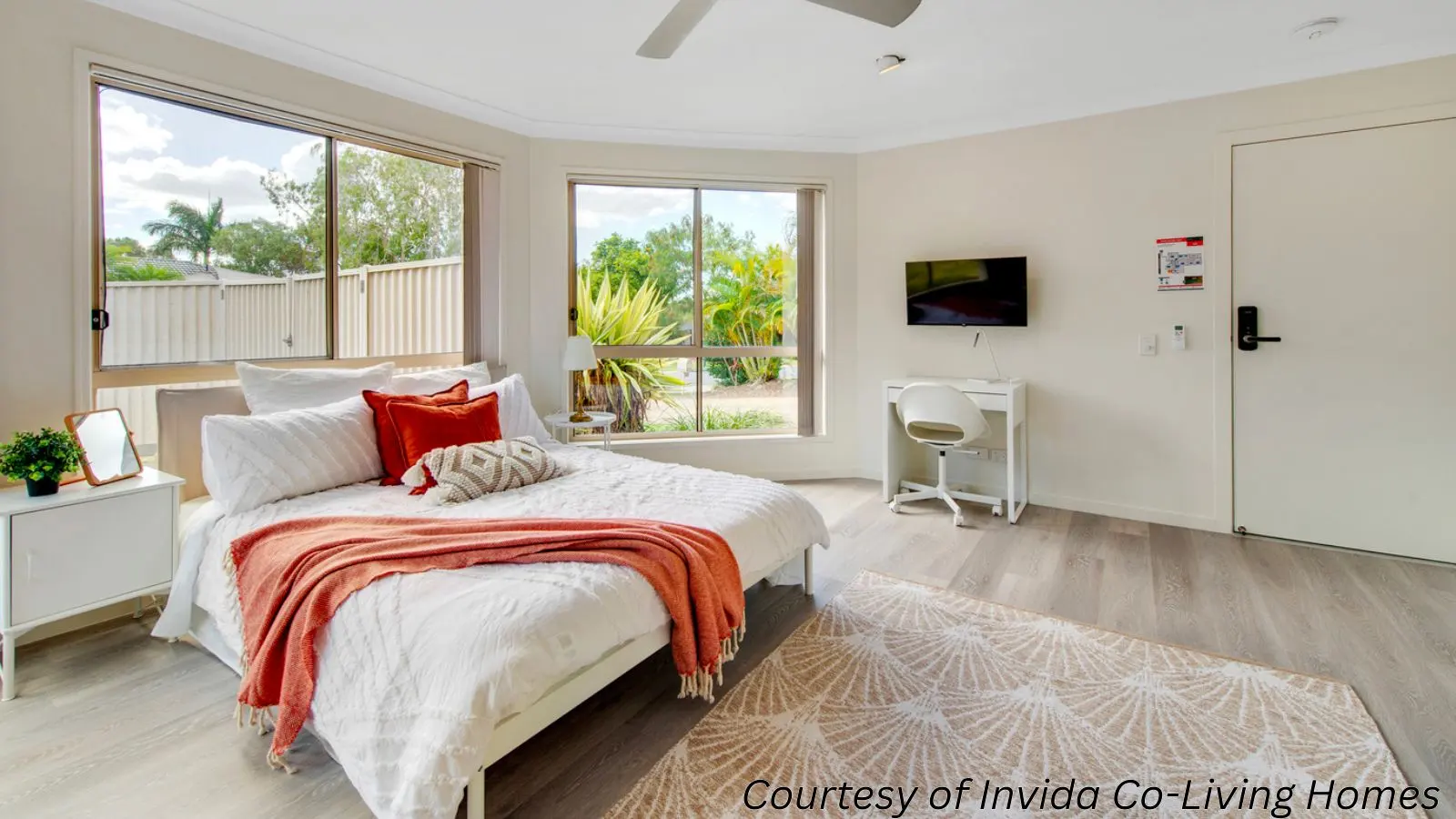
Ms Payn says co-living involves internally transforming an existing four bed, two bathroom property, into five to six micro-apartments, each with its own ensuite, sitting area, bedroom and basic cooking facilities. The common areas include a full kitchen and laundry shared by each of the residents in the property’.
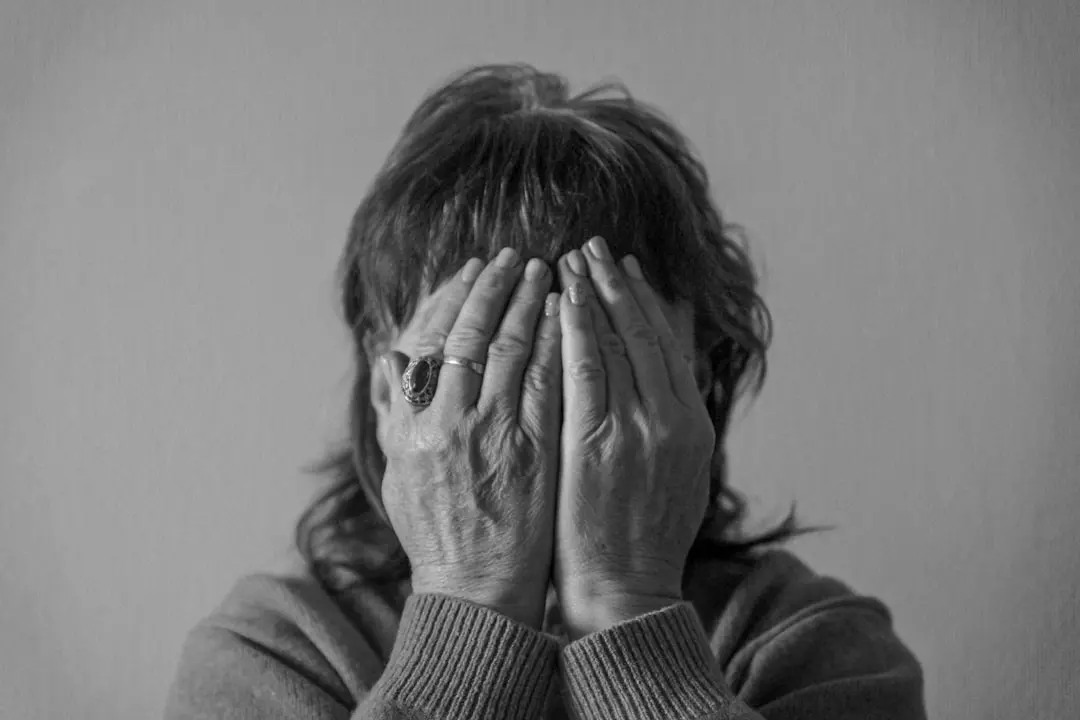
‘The model is designed to serve two groups of women: those with capital to invest, and those who need an affordable, secure place to call home. For the women who will live there, Women 4 Homes offers a beautiful, affordable, and dignified place to live. The co-living home is designed for women who are looking to downsize, want the company of other women, or need a housing option that works for their income.
‘The women investing in the project have a “tenants in common” structure, meaning they can manage their stake independently of what the other owners do, just like any other investment’.
NSW legislation
Ms Payn adds that the NSW legislation used is for boarding houses under the Housing SEPP (State Environmental Planning Policies).
‘The Housing SEPP is a NSW planning framework. In Victoria, which is where the first home will be, it’s different.
‘The homes operate under Victoria’s rooming house framework, governed by the Residential Tenancies Act, the homes are designed to provide affordable rent in perpetuity, with the current rent sitting at around $340 per week, with furnishings and all bills included in that weekly rent.
Her background is in science, she says, and after moving to the region in the early 2000s, she became involved with housing development, with her first project being the units opposite the Ocean Shores shopping centre.
‘I came to Australia to do my PhD in Science, which I finished in 2009. In 2013, I got involved with property development, doing about three small projects before the Rajah Road development. Since then, I have been involved in raising funds for affordable housing projects.’
The first co-living home to be built will be in regional Victoria, she says, with a north coast home to follow after.
‘We are around 80 per cent funded for the Victorian home’, Ms Payn adds.
She started the company after watching the housing gap for women get wider and wider.
‘I kept seeing women who had done everything right: decades putting everyone else first, raising children, supporting partners, holding families together, only to end up with nowhere to go after either divorce, illness or job losses,’ she says.
‘Initially I thought “what can one woman do?” But then my idea grew, with other women also expressing concern about the housing crisis facing middle-aged women. So I thought, what if we just built it ourselves? What if women who have the resources, who are looking for an investment with heart that can help others, pooled what they have to create homes for women who need them?
‘Turns out we can. And we are.
‘The women are in the final stage of getting the money together and are ready to start looking for the right property.
‘We have the women and the money. Now we get to go find the right home,’ Ms Payn said.
‘Why women over 55 are the most vulnerable in the housing sector:
- Women over 55 are the fastest growing homeless population in Australia.
- In 2025, the Association of Superannuation Funds of Australia found that women retire with 25% less superannuation than men.
- Older women experiencing homelessness are often hidden from view: 27% are staying temporarily with other households and 31% are living in severely crowded dwellings (Source: ABS Census 2021).
‘I am immensely grateful that I am now in the fortunate position of being able to become a co-owner in this first co-living home, because I am passionate about supporting a cause that empowers women to help other women and be the change we want to see in the world,’ explains Geraldine.
Structure and safeguards
Ms Payn provided the following information:
Structure: Women 4 Homes is a for-profit, for-purpose company. It is not a not-for-profit or a trust and we do not have a board. The investment model is based on a tenants in common structure, which means each co-investor holds a legally defined share of the property and is named on the title. This is the same structure used in standard property co-ownership and gives each investor full legal standing over their individual share, independent of the other owners.
Safeguards for investors’ money: There are several layers of protection in place. Funds are held in a solicitor’s trust account prior to the property purchase. Any surplus funds for the renovation are held in a project bank account, with a nominee from the co-owners named as a co-signatory alongside Women 4 Homes as the project manager, meaning no single person controls the funds. Each co-investor also signs a co-owners’ deed that sets out exactly what the project is and how it will be run.
The model: The homes operate under existing rooming house frameworks, meaning no development approval is required. The conversion specialist we are working with is Invida Co-Living, who have been building and managing co-living homes for 20 years and complete around 20 projects per year.
Named investors: Yes. Of the 20 women involved in the first project, nine have agreed to speak publicly about their involvement.
To get involved, visit www.Women4Homes.com
 For four decades The Echo has printed the stories some people loved, some people hated, and some pretended not to read. If you want us to keep telling the truth, the real truth, not the sugar-coated version. We’ll need your support to keep the presses rolling.


