


 Paul Bibby
The screening of a controversial anti-vaccination documentary at Mullumbimby’s Civic Hall brought a string of angry complaints from vaccination advocates who said it should not have been shown at a Council-owned venue.
And one Byron councillor is set to formally move that the rules be changed so that such films cannot be shown at Council-managed halls in future.
But the group that organised the screening, the Australian Vaccination-risks Network Inc (AVN), defended its right to air its views, describing those who sought to cancel the event as ‘bigots’.
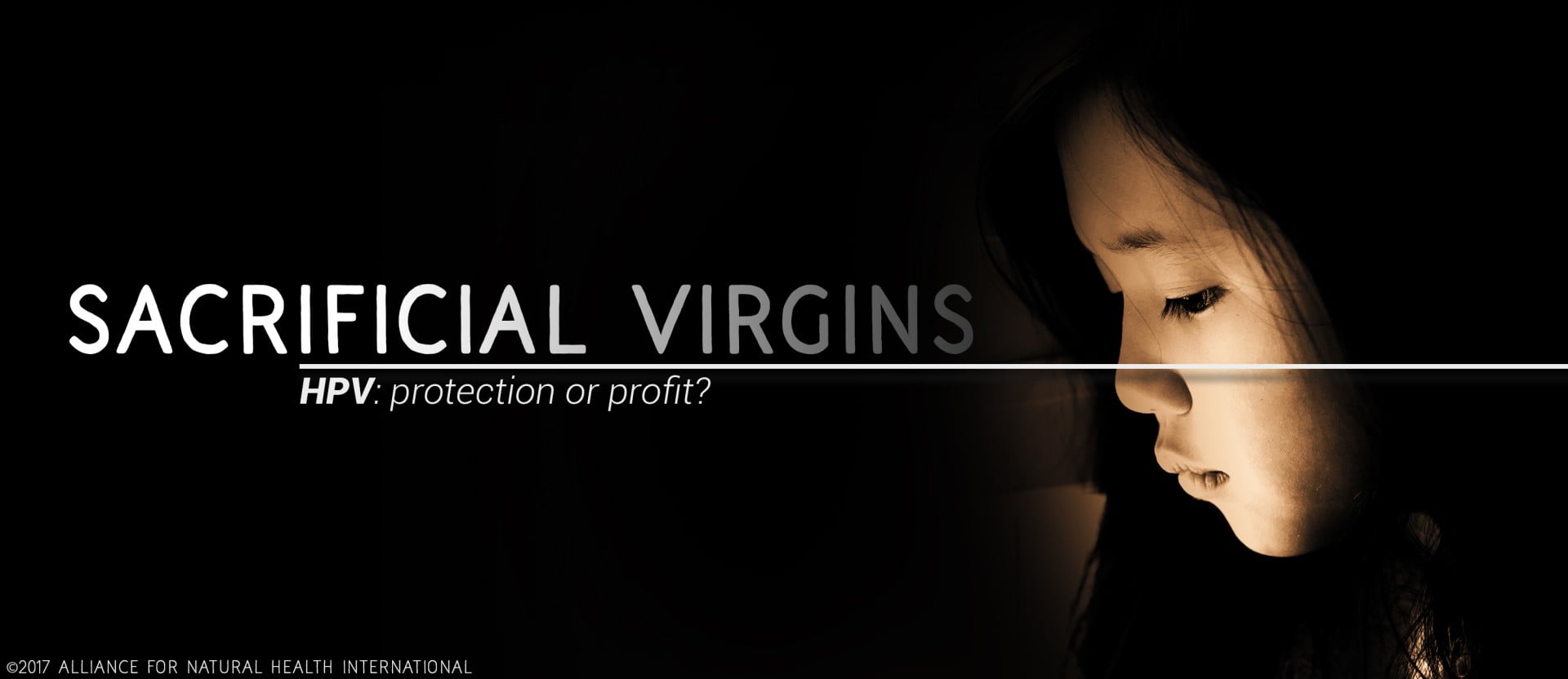
Around 100 people attended the Civic Hall on August 9 for the screening of Sacrificial Virgins, followed by a Q&A session with opponents of Australia’s vaccination regime.
The film questions the effectiveness the Human Papilloma Vaccine as a preventive treatment for cervical cancer, and asserts that it causes adverse reactions that are ‘blighting and even ending the lives of girls and young women across the world’.
When news of the film’s screening at the Civic Hall spread, Byron Council was slammed on social media and received a string of complaints.
One vaccination advocate stated on a public Facebook page that the council’s role in the screening had been ‘unconscionable’.
‘This film has been condemned by the federal health minister and all health experts,’ the man said.
‘That the showing is happening while they [the north coast] have a diphtheria patient in a local hospital is a disgrace.’
When councillor Paul Spooner became aware of the screening, he sought to have permission for the use of the Civic Hall revoked.
Cr Spooner, of the Labor Party, argued that Council should not support the Australian Vaccination-risk Network in any way because it was the subject of a public health warning issued by the Health Care Complaints Commission in 2014.
The Commission issued the warning following an investigation that found that AVN was responsible for disseminating misleading and incorrect information about vaccination that was likely to ‘detrimentally affect the clinical management or care’.
AVN rejects the findings.
Cr Spooner said the film was ‘anti-public health and against the public good, as verified by the HCCC’.
‘I don’t think it’s appropriate for an organisation that is subject to a public health warning to be using a Council-owned facility to peddle its misinformation.’
Cr Spooner did not succeed in having the screening cancelled, with Council’s executive team denying his request.
However, they did agree to put up signs at the Civic Hall indicating that neither the council nor the managers of the hall endorsed the film
Council’s acting director of Corporate and Community Services, Anna Vinfield, said Council’s guidelines stated that it was ‘important to uphold the principles of equity, accessibility and inclusivity providing for the whole community,’ when hiring out Council-owned venues.
Cr Spooner said he will now move to amend these rules so that films such as Sacrificial Virgins cannot be shown at Council venues in future.
He said, ‘In my opinion there is nothing “equitable and inclusive” about promoting gross ignorance and public harm.’
But the founder and current president of AVN, Meryl Dorey, said those who opposed the screening of the film were ‘acting out of ignorance’.
‘I call it bigotry because it’s the fear of something they understand,’ Ms Dorey said.
‘They are afraid that this information may change people’s minds, from supporting enforced vaccination to supporting informed choice about whether or not to vaccinate.
Freedom of speech
‘It’s the same as people who say we shouldn’t allow immigrants into Australia or those who used to say we shouldn’t allow black people into positions of power.’
Ms Dorey said that the screening was also about freedom of speech.
‘One of the managers of the hall said to me, “I may or may not agree with your views, but I support your right to express them in a public forum”. That’s part of living in a democracy.
‘I am shocked that anyone from Council would suggest restricting that right.’
 For four decades The Echo has printed the stories some people loved, some people hated, and some pretended not to read. If you want us to keep telling the truth, the real truth, not the sugar-coated version. We’ll need your support to keep the presses rolling.


