


Disaster funding must favour social capital and community building, rather than just ‘mopping up’, the head of the philanthropic organisation, Northern Rivers Community Foundation, says.
As the region prepares for the possibility of yet another natural disaster in the form of bushfires, Sam Henderson said a re-evaluation of Australia’s approach to disaster preparation and management was essential.

‘The stark reality is that we are spending a disproportionate amount on response and recovery – 97 per cent compared to getting ready – three percent,’ Mr Henderson said.
‘In a world where climate change is exacerbating the frequency and severity of disasters, this imbalance is unsustainable.’
A 2021 Deloitte report estimated the costs of natural disasters in Australia to be $38 billion each year on average, climbing to a staggering $73 billion by 2060.
However, only three per cent of this budget goes towards building community preparedness and capability.
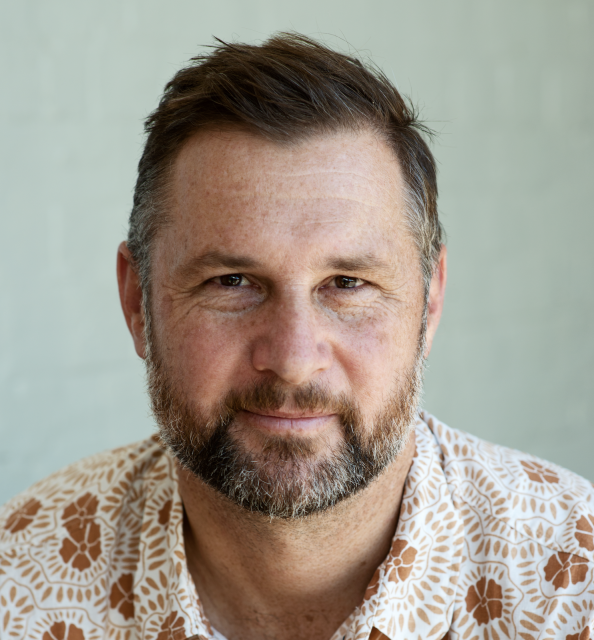
Mr Henderson said events such as the 2022 Northern Rivers floods demonstrated just how undervalued social capital and ‘soft infrastructure’ was.
‘When the hard infrastructure and services were delayed in arriving during these crises, it was the community response that saved lives,’ he said.
‘During the Lismore floods, community response prevented potentially tens or even hundreds of lives from being lost.’
‘Without this communal spirit and dedication, the consequences could have been catastrophic.’
Mr Henderson said that when the entire spectrum of disaster management was considered, it became clear that the immediate crisis response was just a small fraction of the whole.
‘Investing in community resilience, social capital, and preparedness is not just a moral obligation; it’s
a pragmatic necessity,’ Mr Henderson said.
‘It’s time to recognise that building resilient communities is not just a noble pursuit – it’s a life-saving endeavour, and it deserves a more significant share of our resources and attention.’
 For four decades The Echo has printed the stories some people loved, some people hated, and some pretended not to read. If you want us to keep telling the truth, the real truth, not the sugar-coated version. We’ll need your support to keep the presses rolling.


