


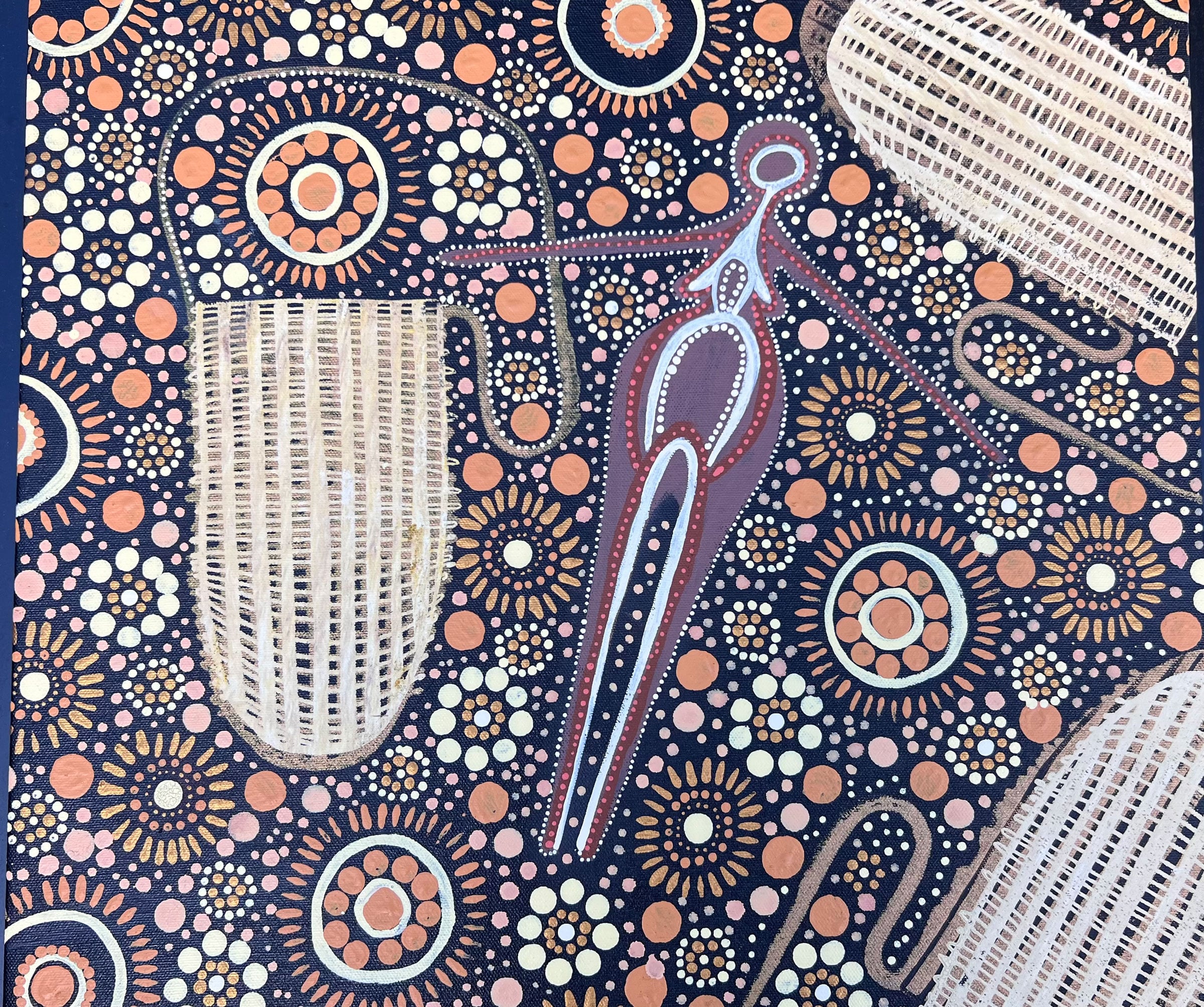
Us mob, we love our tucker! Food has always been an important element of Aboriginal cultural identity, community life, and relationship to Country. Seasonal harvesting of endemic plants and animals is an essential relationship with Country for Aboriginal people and has been for thousands of years.
Totemic lore, knowledge of indicator species, reciprocity, traditional land management practices, deep understanding of wind patterns, sky, Country and seasonal change all informed the traditional diets of Aboriginal people. Detailed knowledge of Country was required for survival which was underpinned by the transmission of intergenerational knowledge. All this was interrupted through colonisation and the forced removal of Aboriginal people from Country.
Forced assimilation
The colonisation process involved the widespread removal of Aboriginal people from our homelands to Aboriginal reserves, stations, and missions for control and forced aggressive assimilation by the church and state.
Central to the systems of control on the reserves, stations, and missions was the exchange of rations for labour. The forced removal of Aboriginal and Torres Strait Islander people from traditional homelands was a significant process in the establishment of the capitalist economy of Australian colony.
The impacts were horrific for Aboriginal and Torres Strait Islander people; and have been enduring and well documented. This had long-term impacts on many of our people’s relationship with food and our food sovereignty.
For most of the 20th century, reserves, stations, and missions were more similar to prisons or an asylum than a community. Movement on and off the mission was strictly regulated; a permit or an exemption was required for any absence, such as for shopping in towns. The mission manager had complete control over the lives of Aboriginal people forced to live there.
The 1926 United Nations Convention on Slavery defines slavery as follows:
‘(1) Slavery is the status or condition of a person over whom any or all of the powers attaching to the right of ownership are exercised.
(2) The slave trade includes all acts involved in the capture, acquisition or disposal of a person with intent to reduce him to slavery; all acts involved in the acquisition of a slave with a view to selling or exchanging him; all acts of disposal by sale or exchange of a slave acquired with a view to being sold or exchanged, and, in general, every act of trade or transport in slaves (United Nations OHCHR 1926)’.
Australian slavery
Many Australians are unaware of the history of slavery in this country and many debate that slavery existed at all.
One of the unresolved issues for Aboriginal Australians is the absence of a truth-telling opportunity through the reconciliation process. A truth-telling process would uncover the role that slavery had in building the nation now known as Australia.
Rations on the reserves were initially intended as a supplement to hunting and gathering but, by the 1930s with fixed settlement, reliance on, and availability of bush food was no longer an option. Rations ensured Aboriginal people did not starve but did not provide the nutritional sustenance to thrive.
As agriculture expanded across the region, Aboriginal people were restricted from Country and access to traditional ways of life, which impacted all aspects of their lives including diets. This had a profound effect on the health of Aboriginal people. The distribution of rations continued until 1968 (Anti-Discrimination Commission Queensland).
The distribution of rations successfully controlled the residents of Aboriginal missions, reserves and settlements across Australia.
Fear and genocide
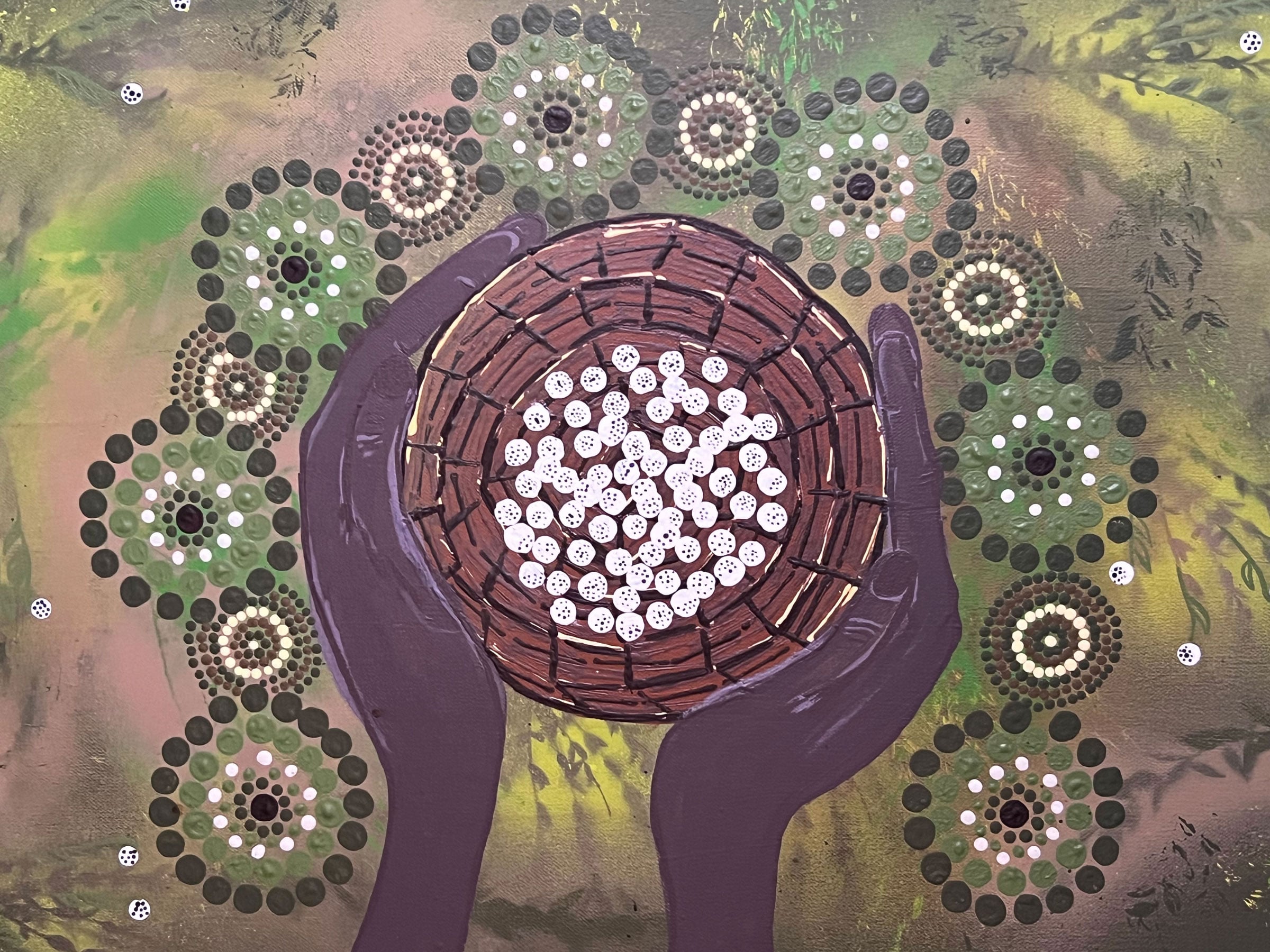
Through the establishment of fear through ongoing acts of genocide, the distribution of rations was a tool that placated Aboriginal people from outright rebellion. It is disturbing to read of the blatant and systematic mistreatment of Aboriginal people of Cherbourg and broader Queensland. For many decades, rations were the main form of payment that Aboriginal people received in exchange for labour.
Rations resulted in malnutrition and emaciation for the residents while keeping them alive so they could perform labour for the benefit of the administration of the missions. This colonisation process denied Aboriginal people access to traditional food sources and forced them to eat a diet that was higher in refined carbohydrates and saturated fats.
Poison
The appalling acts of genocidal violence and social control included the use of food and water to poison Aboriginal peoples. The use of a ration system formed a part of a complex web of colonising power, with food rations forming a central component of that power dynamic.
The ration system became a system of control whereby the food supply could be controlled and manipulated, using hunger and starvation as tools to ensure Aboriginal peoples’ reliance on and compliance to the state. Aboriginal people were forced to clear traditional homelands for the agricultural practices of the colonisers, again building the capitalist economy of the colony.
Health problems
Aboriginal people are still living with the impacts of loss of food sovereignty that have enforced drastic changes to traditional diets that evolved alongside Country over thousands of years. These impacts include enduring complex health problems for Aboriginal people notably diabetes, degenerative disorders and cardiovascular disease. The poor nutritional value of the ration-based diet had horrendous impacts on the health and wellbeing of Aboriginal people, the effects of this legacy of poor health continue.
Access to land
Many Aboriginal communities are faced with ongoing food security issues and the extreme costs of basic healthy foods. Food sovereignty, and investing in cultivating native foods has been identified as a solution to food security issues. This requires meaningful access to land which continues to be out of reach for most Aboriginal people across Australia.
Although our relationship with Country has been interrupted, food remains an essential element of cultural identity. Contemporary food culture has shifted to reflect the changes in narratives of access and survival, but the practice of shared food or mob feed continues.
Reclamation of land and traditional food practices continue to develop opportunities to reassert our relationship with Country and our food sovereignty. Aboriginal people are invested in healing Country which includes cultivating sustainability, specifically endemic food sources, and responsible harvesting. We need to invest in developing native food sources and investing in Aboriginal communities to exercise our sovereign rights in revitalising native foods.
 For four decades The Echo has printed the stories some people loved, some people hated, and some pretended not to read. If you want us to keep telling the truth, the real truth, not the sugar-coated version. We’ll need your support to keep the presses rolling.


