


This World Cancer Day (4 February), research has revealed that First Nations Australians are dying at significantly higher rates from blood cancer and face substantial barriers to treatment and care compared to non-Indigenous Australians.
Commissioned by the Leukaemia Foundation and led by the University of Queensland’s First Nations Cancer and Wellbeing Research team – First Nations blood cancer patients, carers, health professionals and community organisations were consulted, leading to a first-of-its-kind findings.
According to Bill Stavreski, Leukaemia Foundation’s Head of Research, blood cancer is one of Australia’s most rapidly rising cancers, yet the research shows that First Nations Australians fare much worse than most.
‘We already knew that the situation was dire, and that First Nations people diagnosed with blood cancer are up to five times more likely to die from the disease, than non-Indigenous Australians,’ said Mr Stavreski.
‘Devastatingly however, we’ve discovered that they are dying at a much younger age, facing major barriers contributing to the survival gap, and systemic inequities are placing more lives at higher risk.’
Deadly pattern
The research consultations uncovered a consistent and prominent pattern:
- Low awareness and late diagnosis: Awareness of blood cancer symptoms is low amongst First Nations Australians, and understanding of complex treatments is limited.
- Treatment access slowed by distance and cost: Most First Nations blood cancer patients live in regional or rural Australia, often travelling hundreds or thousands of kilometres for specialist care. This leads to delayed diagnosis, interrupted treatment and intense financial stress. Carers also face major emotional, practical and economic burdens with little formal support.
- Lack of culturally safe information and care: Participants reported receiving information that was unclear, non-tailored or culturally inappropriate, including inconsistent instructions and limited engagement with Aboriginal Liaison Officers due to patchy availability.
- Workforce gaps in cultural capability: Health professionals said they were under-resourced and under-prepared to meet the cultural, social and informational needs of First Nations patients, despite a strong desire to improve.
Mr Stavreski said that the lived experiences of First Nations blood cancer patients paint a confronting picture and highlight several major factors contributing to the disparities in survival outcomes.
‘Low awareness of blood cancer symptoms, overwhelming travel burdens, mistrust in the system, financial strain, and limited access to culturally safe information and care came out on top, showing the impact of a system that is failing First Nations Australians,’ he said.
‘While we are improving outcomes for most non-Indigenous Australians, sadly for First Nations people, they are still lagging far behind.’
Major inequities
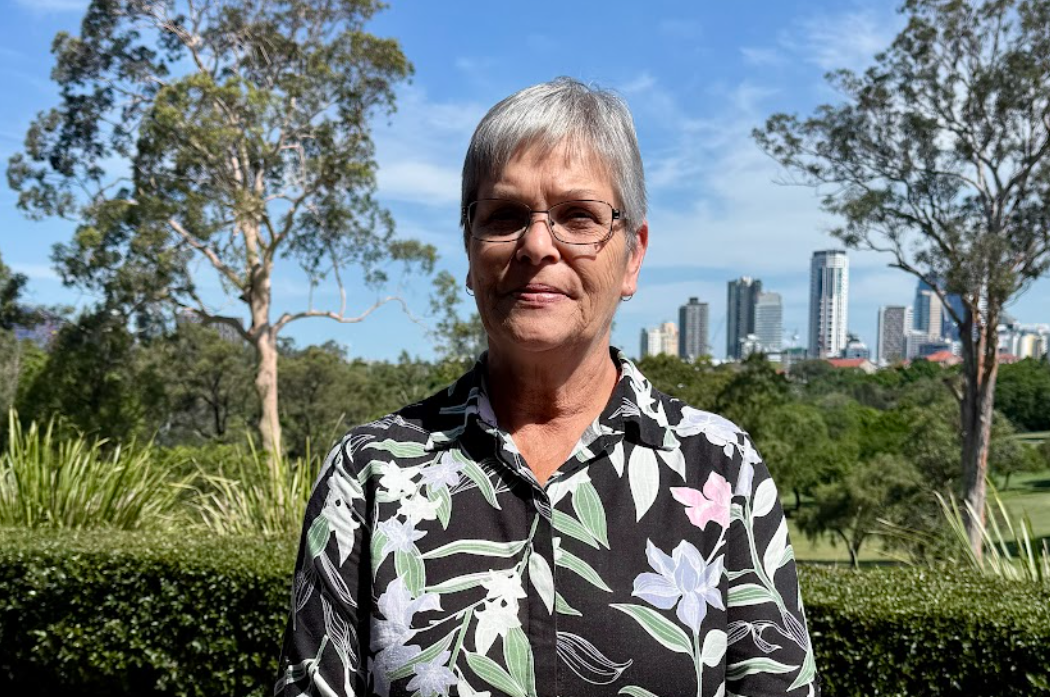
Gail Garvey, Professor of Indigenous Health Research at the University of Queensland, and a proud Kamilaroi woman echoed Mr Stavreski’s comments, stating that First Nations perspectives have been critical to understanding where the Australian healthcare system falls short.
‘Our research clearly shows that First Nations Australians affected by blood cancer face major inequities at every step of the cancer journey – from diagnosis through to survivorship.
‘We heard from patients who had to uproot their lives to travel for treatment, families who went without adequate financial or emotional support, and health workers who want to provide culturally safe care but are not given the tools or training to do so,’ said Ms Garvey.
‘These challenges are not new. What is new is that we now have comprehensive evidence showing exactly where the gaps are, and what must change.’
Roadmap
The new research is providing a roadmap for action, with clear guidance for improving outcomes for First Nations Australians, beyond improving medical treatment alone.
‘We cannot hope to close the gap in cancer outcomes for First Nations Australians without tackling these issues head on,’ said Mr Stavreski.
‘To combat the delay in diagnosis, the first step is educating First Nations Australians on blood cancer and the most common signs and symptoms including persistent fatigue, frequent infections, unexplained bruising or weight loss, and swollen lymph nodes.
‘Furthermore, strengthening cultural safety, improving access to information and support, and expanding culturally tailored blood cancer services must be prioritised – otherwise we are simply letting these people down at their most vulnerable time,’ he said..
At the heart of the Leukaemia Foundation’s vision is a belief that blood cancer treatment and care should meet people where they are – not just in hospitals, but in homes, communities, and cultures – care that is personal, patient-centred and built around life.
‘If we want better survival, we need care that is culturally responsive, trusted, and delivered closer to home,’ added Mr Stavreski.
‘This isn’t just a national health issue – it’s an equity issue, and we must act urgently. Because every Australian deserves the same chance of surviving blood cancer, no matter where they live or who they are.’
Life-changing support
The Leukaemia Foundation supports First Nations Australians and families impacted by blood cancer with services including accommodation during treatment, transport assistance to appointments, education and information, and practical, financial, emotional and mental health support.
To continue this life-changing support and investment in crucial blood cancer research, the Leukaemia Foundation’s iconic fundraising campaign – the World’s Greatest Shave – is calling on the Australian community to sign up to shave, cut, or colour their hair and raise vital funds.
Mr Stavreski added that with a goal to raise $12 million this year, the World’s Greatest Shave is the single biggest injection of funds annually that ensures that no one faces blood cancer without support and deeply encourages people of all ages to get behind the campaign.
 For four decades The Echo has printed the stories some people loved, some people hated, and some pretended not to read. If you want us to keep telling the truth, the real truth, not the sugar-coated version. We’ll need your support to keep the presses rolling.


