


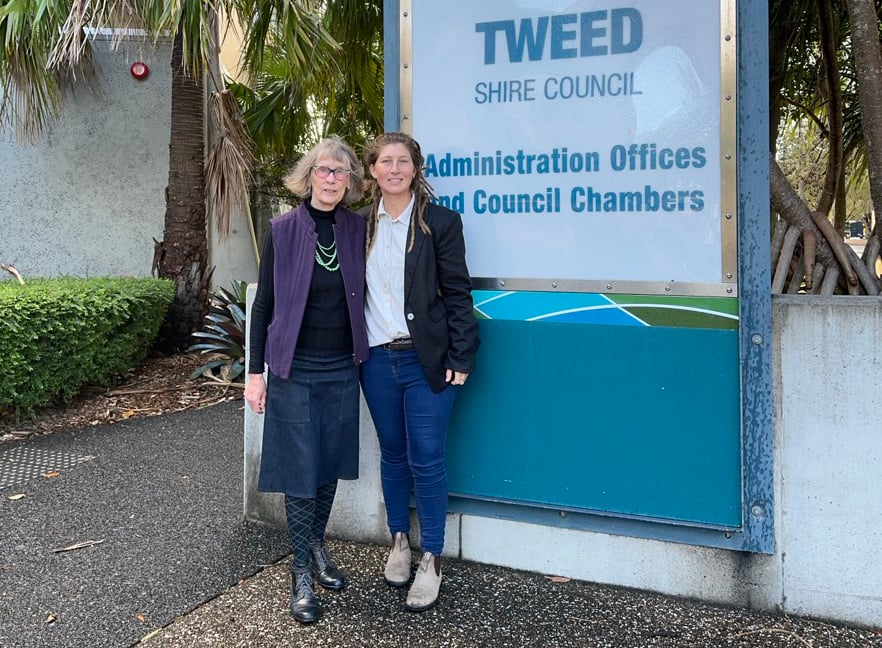
A motion adopted on Thursday (yesterday) by Tweed Shire councillors will see them lobby for federal funding for councils to adapt to climate change disasters as well as a polluter pays levy.
The motion passed unanimously and is called ‘More funding needed for Council to manage
climate change impacts’.
Led by Cr Nola Firth, she said it’s part of a national campaign by Tipping Point, and was picked up by local group, Climate Justice Now.
Mary-jayne Johnston, representing Climate Justice Alliance Northern Rivers group, addressed Council.
Ms Johnston told The Echo her group is part of a national campaign.
‘This National Policy work is supported by the Make Polluters Pay Alliance, which includes groups such as Bushfire Survivors for Climate Action and Oxfam’, she said.
‘I’m extremely happy that our councillors could come together on this issue and recognise the present and future climate risks to our community. Advocating all levels of government for the much needed financial support is an important job of the council. Ratepayers should not have to pay the price for more frequent disasters along with the recovery. Big polluters are contributing the most to these events and therefore should help pay the price. I thank all councillors for their support and look forward to many more councils passing this motion in the near future’.
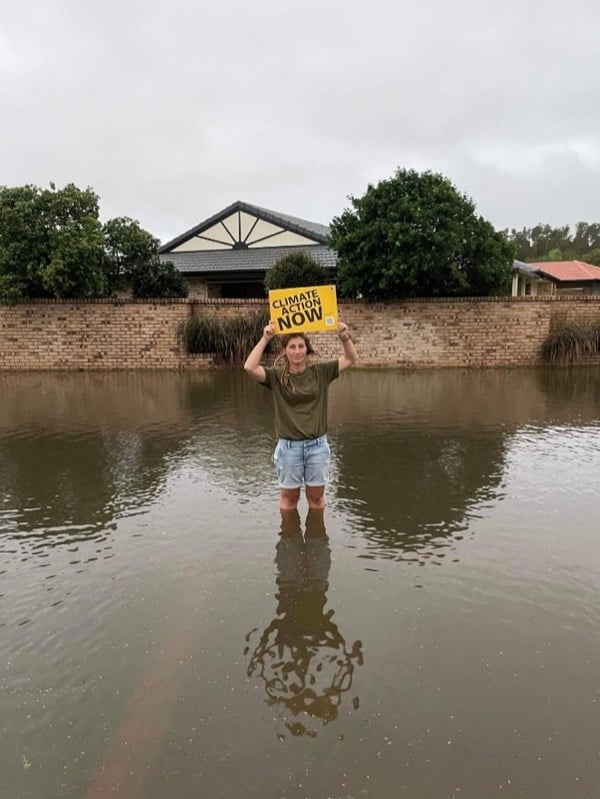
Natural disaster cost
‘[According to Deloitte Economics] Natural disasters currently cost Australia around $38 billion every year, or about $3,800 per household. Together with soaring insurance premiums, these costs are largely borne by local councils and are passed on to ratepayers and small businesses.
‘Several councils, including Byron Shire and the City of Sydney, have already passed polluter pays motions, which call on the federal government to create a Climate Compensation Fund, paid for by levies on coal and gas exports.
Councillor Nola Firth brought the motion, following a community survey which found around 100 Tweed Shire residents were in favour of this initiative.
‘In our Shire in recent years, climate change weather events have taken a huge financial and emotional toll. We have borne Cyclone Alfred uprooting hundreds of trees and extensively damaging infrastructure,’ said Councillor Firth.
‘The 2022 flood cost, just in the Tweed, was $257 million with an almost $3 million shortfall being paid for by out of Council’s own budget. This financial loss is occurring in a situation where it is well established that NSW councils are already under significant financial stress,’” she continued.
Councillor Firth also pointed out the costs of extensive adaption work needed to prepare for future weather events.
‘For example, infrastructure is needed for retrofitting buildings, provision of shaded streets and cool public spaces, management of sea level rise on infrastructure, emergency services resourcing, native habitat protection to name just a few. This is on top of many, many other current and future costs to community including mental health impacts and greatly increased insurance premiums.’
Climate Pollution Levy
Ms Johnston said the motion is part a nation-wide, community-led initiative to establish a Climate Pollution Levy to better prepare for the serious impacts of climate change on local communities’.
‘I was living at my mum’s house in Pottsville. Thankfully, we were safe, but many people around us weren’t. Friends lost their homes, and one of my family members had to be evacuated in the middle of the night from the Chinderah Caravan Park. After the flood, I spent months helping rebuild my uncle’s caravan just so he had somewhere to live. Even now, years later, many people are still traumatised every time heavy rain is forecast.
‘The science is clear that pollution from the largest emitters is making climate disasters more severe including floods, and communities like ours are paying the price. If we don’t establish a compensation fund now, there will be no other option but for local ratepayers to fund the growing cost of recovery.
‘I believe those who contribute to the damage should contribute to fixing it—not ordinary families who are already grappling with a cost-of-living crisis while rebuilding their homes, their communities and their lives’, says Ms Johnston.
Flood cost
In her motion, Cr Firth said, ‘The 2022 flood cost, just in the Tweed, was $257 million with an almost $3 million ($2,749,939) shortfall being paid for by out of Council’s own budget. Cyclone Alfred cost in the Tweed was $75 million with a shortfall of over $2 million ($2,376,765) being paid for out of the Council’s own (ratepayer funded) budget’. ‘Additionally, the massive post-disaster environmental damage repair involved, such as severe riverbank erosion, tree cover loss and extensive weed spread from floods is largely borne by Council itself. Indeed Council has already advocated both directly and through the Local Government NSW Conference for automatic inclusion of environmental damage repair in post disaster funding’.
 For four decades The Echo has printed the stories some people loved, some people hated, and some pretended not to read. If you want us to keep telling the truth, the real truth, not the sugar-coated version. We’ll need your support to keep the presses rolling.


