


What should happen to a dead whale when it washes up on a Tweed beach?
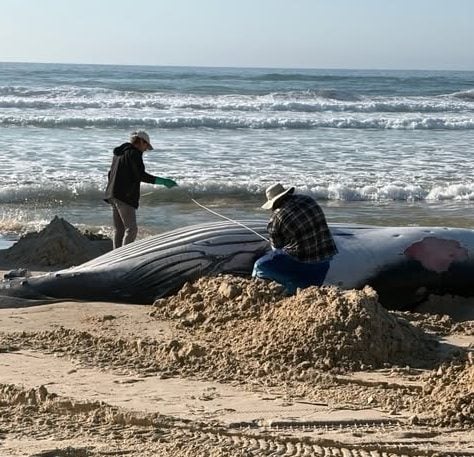
Tweed Shire Council is asking residents to help answer that question through consultation on a draft policy for managing deceased whales and other large marine animals on Council-managed beaches and coastal reserves.
Public consultation opened on October 7, with submissions accepted until 4pm on November 11.
The draft gives offshore towing first consideration where reasonable, recognising the ecological value of keeping a whale carcass within the marine ecosystem.
However, towing depends on suitable tides, weather, the carcass’s condition and access to specialist contractors and equipment. It can also cost more and take longer to organise.
Other options include burial on the beach or dunes where environmental requirements are met, removal to an approved burial site, or disposal at a licensed waste facility.

Mayor Reece Byrnes said community feedback would help shape the final policy.
‘These events can be complex, costly and emotional, and community views on the most appropriate response can vary,’ Cr Byrnes said.
Each incident would be assessed individually, considering environmental impacts, cultural values, cost, logistics, legal requirements, public safety and the time needed.
The accompanying operational procedure says there is no dedicated budget for these incidents, with costs met from existing operational budgets.
The draft follows a Council resolution in November 2024. Earlier incidents have required different responses, including off-site burial of a Kingscliff whale in September 2025 and an offshore tow at Wooyung in July this year.
The policy does not cover live strandings, which remain the responsibility of the NSW National Parks and Wildlife Service.
 For four decades The Echo has printed the stories some people loved, some people hated, and some pretended not to read. If you want us to keep telling the truth, the real truth, not the sugar-coated version. We’ll need your support to keep the presses rolling.


