

25.2 C
Byron Shire
November 18, 2026

New report calls for human rights to be at heart of emergency response

Latest News

A permanent fund for the place we call home

What if the generosity of people living here today could keep strengthening the Northern Rivers for generations? That is the idea at the heart of Northern Rivers Community Foundation Grant Giving Event on Thursday 26 November.

Other News

Stretched to the limit – Stolen Generations orgs say time is running out

Stolen Generations organisations from across Australia have issued an urgent challenge, just months out from the 30th anniversary of the landmark Bringing Them Home report, for governments and the nation to ensure the experiences, truths and recommendations of the report are not forgotten and commit to change for survivors and descendants.

Help Byron High students get new laptops for learning

Every student needs equal access to resources, and that's what the Byron High P&C is working towards with their Summer Raffle.

Exploring the science behind nature-based solutions

A Science in the Bush Theatre event will be held at The Nimbin Bush Theatre on Thursday 10 December, from 5pm.

Let us be different

Here, here to Mike Balson’s letter in The Echo of 2 October. I agree wholeheartedly with what Mike Balson...

Coal corporations above the law?

The Minns government introduced special legislation into NSW parliament this week to grant billion-dollar coal corporation MACH Energy permission to expand production at its Mount Pleasant coal mine, overriding a High Court victory that exposed serious failures in the assessment of the mine's climate impacts.

They Had Cancer – men, it’s time to put your health first

When Russell had a bit of a morning cough he dismissed it, he’d smoked till he was 30, it was probably just a residue cough from that. It wasn’t until he had a swelling on the side of his neck the size of a mango that he finally went to the doctor.

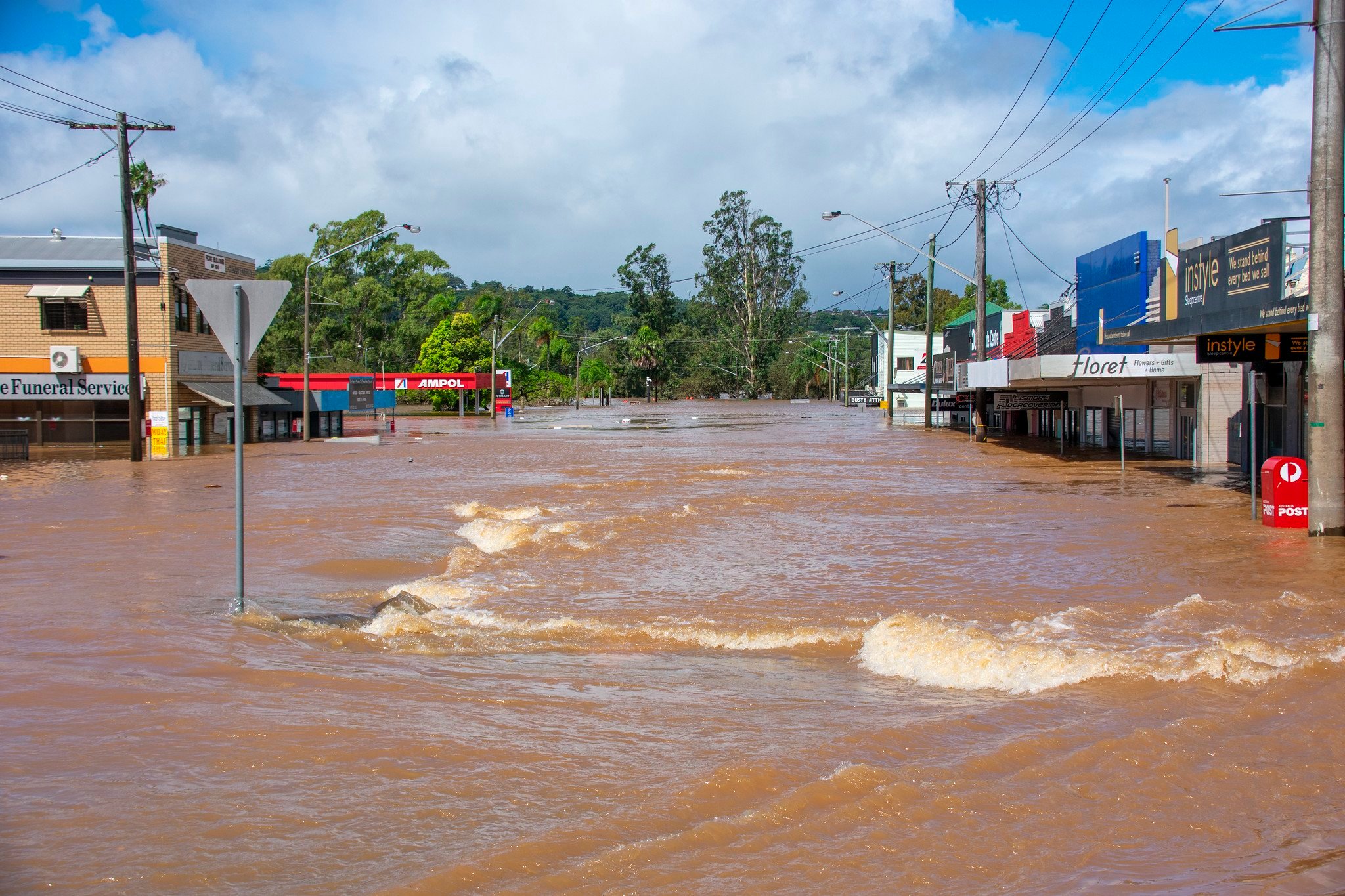
Rising floodwaters engulf Woodlark Street, Lismore, 30 March 2022. Photo David Lowe.

More than half of Australians have been affected by a natural hazard disaster in the past decade, with new research highlighting the impact of major gaps in communication, support and recovery as communities face increasingly frequent and complex emergencies.

The Australian Human Rights Commission has today released two new reports led by Human Rights Commissioner Dr Lorraine Finlay, calling for human rights to be embedded in how Australia prepares for, responds to and recovers from disasters.

The research found the impacts of disasters are not shared equally. People with disability or health conditions, Aboriginal and Torres Strait Islander peoples, older people, people on low incomes and people living in regional communities can face greater barriers or more severe and prolonged impacts.

Commissioner Finlay said the findings show that Australia must think about disasters as more than an operational challenge.

Human Rights Commissioner Dr Lorraine Finlay.

‘Human rights shouldn’t be an afterthought in a disaster. They should be built into how we prepare, how we respond and how we support communities to recover.

‘When disaster strikes, protecting people means more than responding to the immediate danger. It means making sure people can access the information, support, housing and services they need, and that no one is left behind because of their circumstances,’ she said.

Resilience Through Rights

The findings are contained in Resilience Through Rights: Upholding Human Rights in Disasters and Emergencies, which draws on a national survey of more than 2,000 adults as well as extensive consultations with disaster-affected communities, emergency management agencies, community organisations, governments and experts.

Among the national survey findings:

  • 67 per cent experienced financial impacts, with frustration dealing with insurance companies the most commonly reported financial issue.
  • 61 per cent experienced displacement or disconnection, including disruption to work, family and community ties.
  • Anxiety and uncertainty about the future emerged as one of the most significant impacts across different types of disasters.
  • Aboriginal and Torres Strait Islander respondents and people with disability or health conditions experienced disproportionately high impacts, while older people were more likely to experience severe impacts and longer recovery times.

The report finds that while Australia’s disaster management system is increasingly focused on resilience, human rights principles and outcomes are not always explicitly built into, applied or measured across disaster management systems. Embedding these principles can help reduce disaster risk and strengthen the social networks, community trust and infrastructure that underpin resilience.

To help turn those findings into action, the Commission has also released How to Protect Human Rights in Disasters: Explainer, a practical framework for governments, emergency agencies, service providers, businesses and communities.

Built around five principles, people-centred, fair, participatory, proportionate, and accountable, the framework provides practical guidance for applying human rights throughout the disaster cycle.
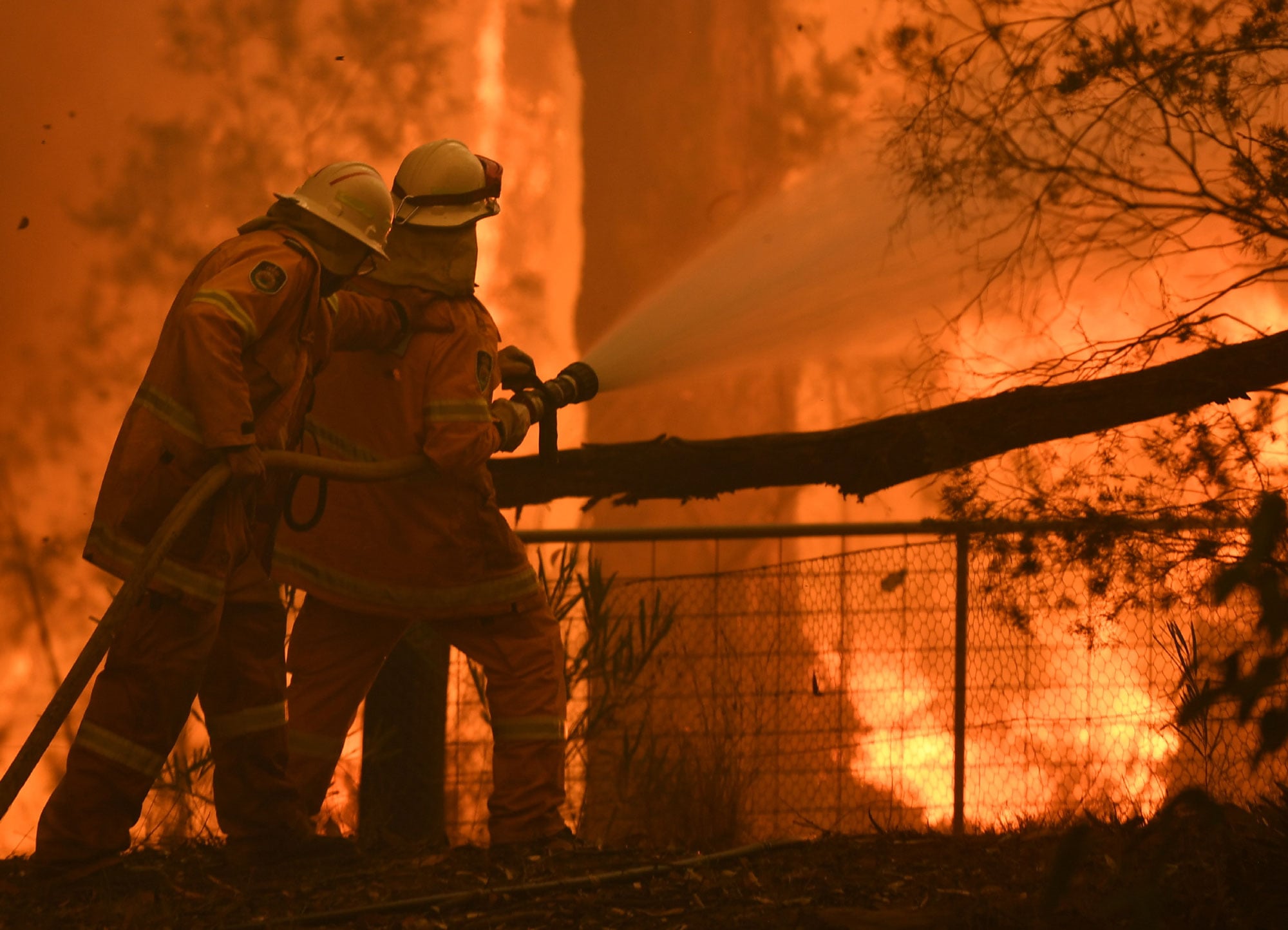
Photo courtesy of the PSA.

Better questions and decisions

Commissioner Finlay said putting human rights at the centre of emergency management is about making better decisions when they matter most.

‘Human rights provide a practical framework for asking the questions that matter: Who is most at risk? Who is missing out on information or assistance? Are emergency measures fair and necessary? And are communities being heard in decisions that affect their lives?

‘In an emergency, governments will often need to make difficult decisions quickly. A human rights approach helps ensure those decisions protect life and safety while remaining fair, proportionate and responsive to the different circumstances people face.’

Commissioner Finlay said Australia has an opportunity to strengthen its resilience by putting people at the centre before the next disaster occurs.

‘The strongest communities are not simply those that can withstand a disaster. They are communities where people trust the information they receive, know where to turn for help, have a genuine say in decisions that affect them and are supported to recover with dignity.

Read the reports here: Resilience through rights: Upholding human rights in disasters and emergencies and How to protect human rights in disasters: Explainer.



For four decades The Echo has printed the stories some people loved, some people hated, and some pretended not to read. If you want us to keep telling the truth, the real truth, not the sugar-coated version. We’ll need your support to keep the presses rolling.


If you are a local business owner help us and in turn we help you. All The Echo asks for is advertising, not a free ride. It is every advert in The Echo and on www.echo.net.au, which creates the space for all the stories and coverage of community events, happenings and concerns.

If you are a reader you can become a sponsor of The Echo. Your support keeps the us independent.

Even a small one-off or regular donation from you will help keep the echo’s independent voice alive and strong.

Support Us

Become one of the supporters who helps keep independent, local journalism alive in the Byron Shire by contributing anything from as little as the cost of a coffee each month.

You're Wonderful, Thank you for supporting independent journalism in the Byron Shire

You’re supporting The Echo, thank you

Your contribution is keeping independent, local journalism alive in the Northern Rivers.

Because of supporters like you, we can keep every story free for everyone — no paywall, no exceptions. Your money goes directly to funding our newsroom of 40-odd local workers covering the stories that matter to this community.

Tell us what you think, give us your opinion

The Echo loves your letters and comments and is proud to provide a community forum on the issues that matter most to our readers and the people of the NSW north coast. So don’t be a passive reader, email us your epistles at editor@echo.net.au.

The letters deadline for The Echo is noon Friday. Letters longer than 200 words may be cut. The publication of letters is at the discretion of the letters editor. Please remember to include your full name, address and telephone number.

Online comments are no longer available.

Advanced trees, hedging and natives, delivered to the door

Nursery Near Me is an Australian online nursery that delivers plants, trees and hedging to the door anywhere in New South Wales, whether the order is for a single tree or a whole hedge.

Making waves without the ocean

What if we could get essential nutrients from the ocean without taking fish or krill out of it? That’s the idea behind SeaO₂Nutrition, an Australian biotechnology company cultivating nutrient-rich marine microalgae at its farm in Woodburn, NSW.

Heavy pruning to try to save old fig tree in Mullumbimby

Frequent visitors to Mullumbimby’s Heritage Park may have noticed the decline of a large fig near the children’s playground.

NSW expands support for wildlife rescue, rehabilitation and emergency response

Wildlife rehabilitators across NSW can now access a suite of new funding to help cover the costs of rescuing and caring for sick, injured and orphaned native animals.