


Homelessness Week is now under way, with the St Vincent de Paul Society NSW revealing that close to 2,400 people were unable to access its homelessness and housing services in the past year, primarily due to services operating at capacity.
The organisation supported 6,400 people through its homelessness and housing services in the 2025/26 financial year with domestic and family violence (28 per cent), evictions (14 per cent) and rental increases (12 per cent) among the leading reasons for assistance.
Over half of the 100,000 people supported by Vinnies experienced housing stress.
Political action needed
The sustained demand for assistance has prompted the organisation to call for increased core funding for homelessness services and continued investment in a large-scale and sustained social housing expansion program to restore the social housing safety net and grow the percentage of social housing to 10 per cent of residential dwellings over the next two decades.
‘Every day, our members, volunteers and services are supporting people experiencing or at risk of homelessness and it is becoming increasingly challenging to provide the type of structural support necessary due to the lack of housing options and pathways,’ said Yolanda Saiz, St Vincent de Paul Society NSW CEO.
‘It is heartbreaking for our services to turn people away in times of crisis, but without further investment in the sector things will not change.’
Situation worsening
Data released by the Society NSW’s homelessness and housing services found that the average length of time to secure a housing outcome increased by 9 per cent over the past year to 203 days.
More than 69,000 households are currently on the waitlist for social housing across the state; the demand for social housing in NSW has increased by 24 per cent in the past three years.
‘People and families are having to stay at our services for longer because there simply aren’t enough homes that are available or affordable. Social housing accounts for just 4.5 per cent of homes in NSW at present. We have to be bolder to ensure that everyone has a safe, secure and stable place to call home,’ said Ms Saiz.
More than 35,000 people were experiencing homelessness in NSW according to the most recent Census data from 2021.
‘Homelessness is increasing throughout the state in cities and regional areas alike. Our members support people every day who are struggling to keep a roof over their head – more than half of the 100,000 people they supported last year were experiencing housing stress,’ said Peter Houweling, St Vincent de Paul Society NSW State President.
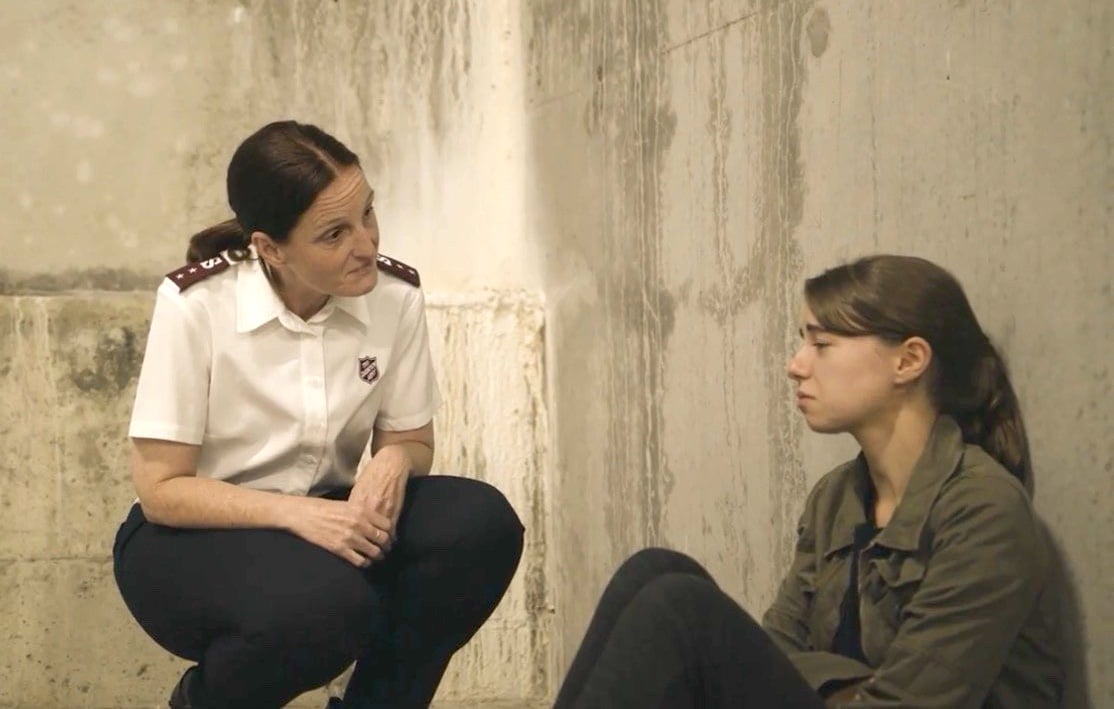
Salvos also call for urgent action
With more Australians experiencing homelessness than ever before, The Salvation Army says the nation’s housing crisis has escalated into a national emergency.
As Homelessness Week (3-9 August) continues, the Salvos say record homelessness levels should be unacceptable in a country like Australia, warning the crisis is no longer confined to those sleeping rough but is increasingly affecting families, children, workers and older Australians.
More than 122,000 people are now experiencing homelessness across Australia, while almost 289,000 people sought support from The Salvation Army’s homelessness services in the past year. At the same time, nearly 169,000 households remain on public housing waitlists nationwide, highlighting a housing system under immense strain.
By the numbers
The Salvation Army’s 2026 Red Shield Report, which surveyed more than 4,400 people who accessed Salvation Army emergency relief services across Australia, reinforces the scale of the crisis. The report found:
- 75 per cent of respondents were experiencing housing stress, rising to 86 per cent among private renters.
- 60 per cent had been unable to pay their rent or mortgage on time during the previous year.
- 37 per cent feared losing their home altogether.
- 16 per cent had couch surfed or lived in their car during the previous 12 months.
- Almost two-thirds of households with children could not afford winter clothing or shoes for their children.
The Salvation Army’s Head of Homelessness, Jed Donoghue, said the organisation is seeing increasing numbers of Australians who never imagined they would need homelessness support.
‘Rising rents, limited housing and ongoing cost-of-living pressures are pushing more Australians to breaking point. We’re seeing working people, families, older women and young people seeking homelessness support because they simply can’t afford a safe place to live,’ Dr Donoghue said.
‘Homelessness is about much more than sleeping rough. People are living in cars, couch surfing or staying in overcrowded homes because they have nowhere else to go.’
One woman from NSW described the daily reality of living in her car: ‘I cannot cook properly as I am living in my car… I have many sleepless nights worrying about where my next meal is going to come from or how I am going to put fuel in the car for the next day to be able to drive to a toilet.’
Perceptions versus reality
Contrary to common perceptions, rough sleeping accounts for only 6.2 per cent of homelessness in Australia. The most common form is severely overcrowded housing, affecting 39 per cent of people experiencing homelessness.
Women and children account for almost three-quarters of people seeking assistance from The Salvation Army’s homelessness services, while more than 50,000 young people required support last year.
Aboriginal and Torres Strait Islander peoples also remain disproportionately represented among Australians experiencing homelessness. As demand continues to grow, The Salvation Army’s homelessness services provided significant support over the past year, including:
- Almost 339,000 sessions of care.
- More than 653,000 crisis accommodation bed nights.
- More than 1.3 million meals through residential services.
- Support for nearly 35,000 people at risk of or experiencing homelessness.
Throughout Homelessness Week, Salvos teams and communities across the country will host sleep outs, community forums, fundraising activities and awareness events to shine a light on homelessness and encourage Australians to be part of the solution.
What to do?
‘This Homelessness Week we’re calling on governments, communities and Australians to work together to increase the supply of safe, affordable housing and ensure people have the support they need before they reach crisis point,’ Says Dr Donoghue.
The Salvation Army is calling for:
- Early intervention and homelessness prevention programs.
- Housing First approaches that prioritise permanent housing solutions.
- Greater investment in wraparound support services to help people sustain long-term housing.
- Increased investment in social and affordable housing.
Without urgent action, The Salvation Army warns more Australians will continue to fall into homelessness and housing insecurity, despite safe and secure housing being something every Australian deserves.
For more information on how to get involved in Homelessness Week, or if you need support from the Salvos, call 13 SALVOS.
 For four decades The Echo has printed the stories some people loved, some people hated, and some pretended not to read. If you want us to keep telling the truth, the real truth, not the sugar-coated version. We’ll need your support to keep the presses rolling.


