


By Darren Coyne
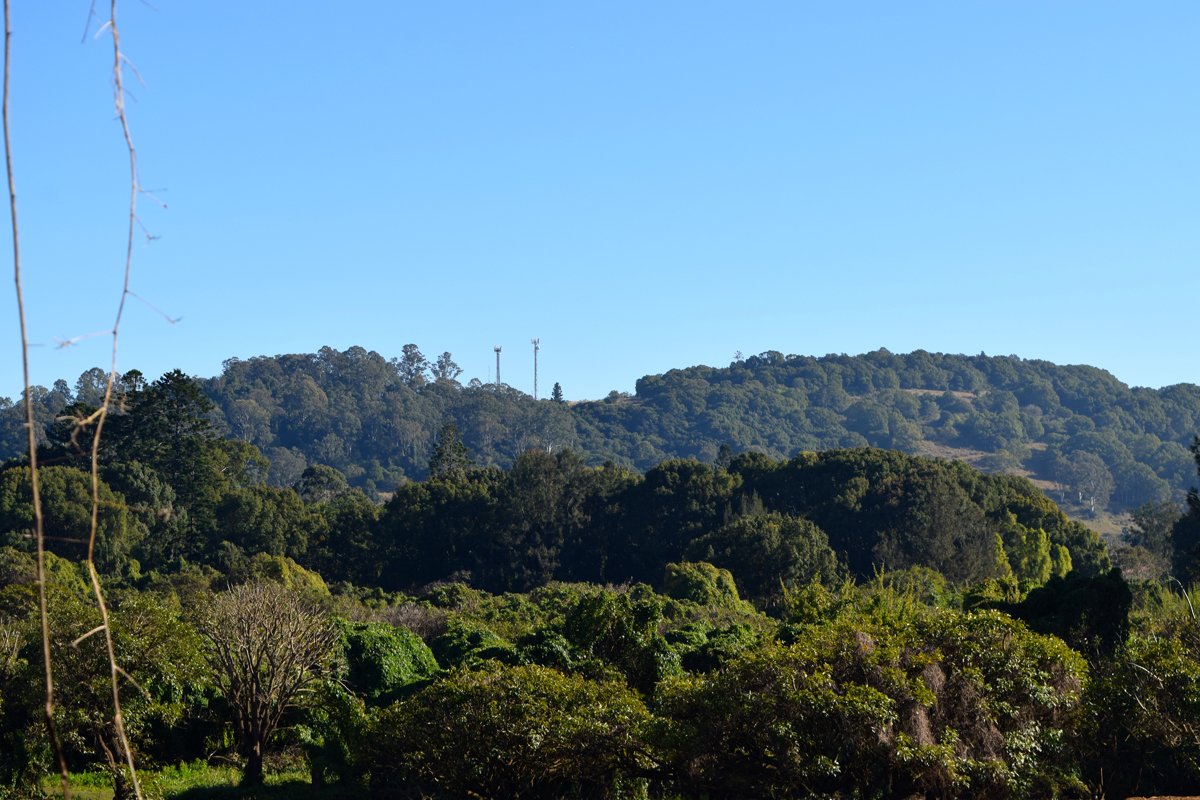
Lismore ratepayers will pay up to $24 million to provide infrastructure to the proposed North Lismore Plateau development, which is expected to provide around 1500 houses.
The council has agreed to bear the cost of providing water and wastewater infrastructure within the development, and will also take over responsibility for negotiating access agreements and acquiring land and easements required by the development.
The proposed development, if it proceeds, would provide houses for more than 3,700 people, and would be the largest urban development undertaken since the creation of Goonellabah.
Cr Vanessa Ekins, the only councillor to vote against the recommendation from staff to fund the infrastructure, said ratepayers would be paying for the development for years.
‘It could take up to 40 years for the development to sell and until then people are paying an extra $105 each year in water and sewerage rates on top of what we already pay,’ she told Echonetdaily.
Under the previous arrangements, developers were fully responsible for the delivery of assets internal to the development.
But in a report to last week’s meeting, executive staff recommended that councillors bow to the wishes of the developers and amend its Development Contributions Plans for Water Supply and Wastewater (DSPs) accordingly.
Staff pointed out that by agreeing to make the changes, the council ‘may’ facilitate the proposed development of the Plateau which ‘may’, in turn, promote economic growth and contribute to the revitalisation of the Lismore CBD.
But they also warned that the commitment would expose council to increased financial risk.
Meanwhile, the council last month agreed to forward the planning proposal to the NSW Department of Planning and Environment for a ‘gateway determination’ so that public exhibition could occur.
That decision followed a NSW Environment Court declaration that the previous rezoning attempt was declared invalid.
Bundjalung man Mickey Ryan had taken the council to task because the rezoning proposal placed on public exhibition, which contained environmental zones, was not the same as the proposal approved by the NSW Department of Planning and Environment.
The Department had removed the environmental zones.
 For four decades The Echo has printed the stories some people loved, some people hated, and some pretended not to read. If you want us to keep telling the truth, the real truth, not the sugar-coated version. We’ll need your support to keep the presses rolling.


