


Michelle Grant
I join Mandy Nolan (Soapbox) in condemning the roll-out of the gormless government’s cashless debit card. It will compel Newstart recipients to spend their meagre income in specific supermarkets and department stores.
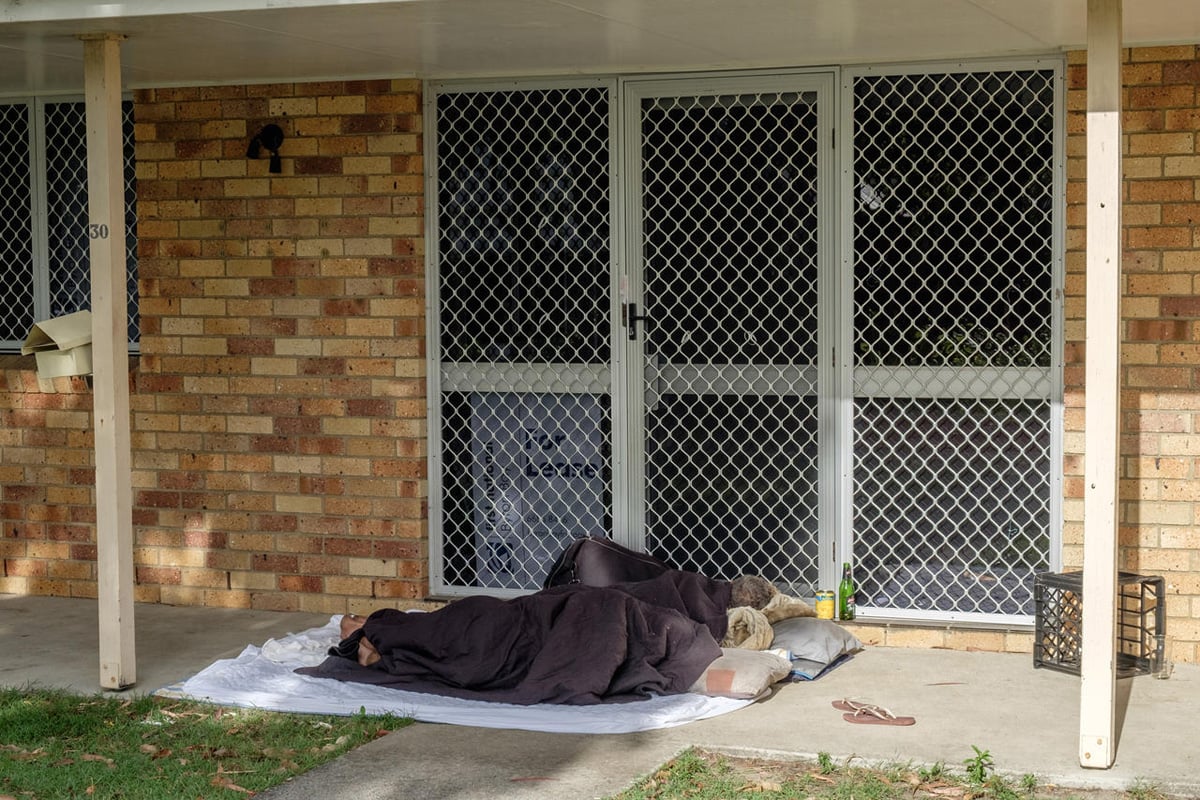
I sympathise with ‘Jimmy’ the typical Newstart stereotype living in his car.The cashless debit card will inevitably push Jimmy closer to suicide than survival, but Centrelink-induced deaths and suicides are not acknowledged.
The Jimmys of Australia are the collateral damage on the path to budget surplus.
There are also hundreds of thousands of people, who are managing on Newstart – with a little help from family, friends, and community. They’re resilient, resourceful and skilled financial managers, living simple, frugal lives. Most have a very small carbon footprint.
Let me tell you about Jenny. She pays $250 per week to rent a converted garage. She’s moved multiple times over the years as cheap housing was sold off or remodelled into holiday accommodation.
Running a car, her freedom machine, is her biggest expense after rent. It costs $20 a week for rego, $25 a week for fuel, and she needed new tyres this year ($200).
Jenny often carpools and invites car-less friends on trips to the shops and neighbouring towns. She gets most of her clothes and household items from sales or second hand shops and garage sales. The only ‘department store’ in Byron Shire is Target Country at Ocean Shores, so the cashless debit card would limit her options considerably.
Community volunteer
Jenny volunteers at the community garden, grows her own vegies. She spends less than $50 per week on food, rarely shops at Woolies or Coles or eats out. She can pick up a meal from Liberation Larder or a food box from the church groups.
It costs $40 a month for her mobile. Her last electricity bill was $125 for the quarter, less than half the average persons. Only the small, energy efficient fridge ($300 from Bridglands) is plugged in all day. She uses the laundromat ($6 f/night) or a bucket to wash clothes.
Jenny loves the Blues Festival and Writers Festival and has volunteered almost every year. She’s also supported Bay FM, Byron Greens, Landcare and Dunecare, youth groups and other community associations; initially to gain experience and then to use her skills. She’s sat on committees, managed not-for-profit organisations, coordinated events, written reports, submissions and a successful grant application. None of it paid the bills, but it made her feel appreciated, useful and valued, and she had a lot of fun along the way.
Jenny started her work-life as a secretary, but computers took over while she was busy having babies, and she’s been trying to keep up ever since. She’s retrained several times, earning a BA and Dip Ed, but she never managed to find a permanent well-paid job.
She applied for 300 jobs that first year, post grad, and rode the roller-coaster of hope and despair, bullied and battered by Centrelink and a Job Network that has offered little assistance ever since.
She has made ends meet with an array of part-time work, from casual teaching to cleaning holiday houses, delivering mail, running market stalls, even writing the occasional article for the local newspapers. Most were poorly paid, and some were cash in hand.
It’s taken two decades for the hourly rate to climb from $10 to $20. Centrelink reduces Jenny’s Newstart payments, taking 50c for every dollar she earns, beyond the $60 fortnightly threshold, making it pretty tough to get ahead.
Newstart payments have not increased since John Howard’s election in 1996!
Jenny is in her 60s now, and works 20 hours a week, and is still on an income low enough to get a part Newstart payment and qualify for a health care card.
For most of her adult life, she’s lived on less than $550 per week (Newstart’s threshold), yet she manages to remain an active, engaged member of the community.
Jenny’s not looking forward to the years ahead of hard physical work until she’s 67 and eligible for an aged pension. She lives with the stress of yearly rent hikes, the anxiety of another eviction when she can no longer make the rent, the stress and expense of emerging health issues and the possibility of losing her job owing to these issues. After climate change, affordable housing is the issue most worrying her. Jenny needs a pay rise to keep a roof over her head, not income management via a cashless welfare card.
Jenny’s never voted for the LNP, but their policies have had real, brutal and negative impacts on her and other low-income Australians, like Jimmy. Surely it’s time we gave them a leg-up instead of another put-down, and raised the rate of Newstart?
 For four decades The Echo has printed the stories some people loved, some people hated, and some pretended not to read. If you want us to keep telling the truth, the real truth, not the sugar-coated version. We’ll need your support to keep the presses rolling.


