


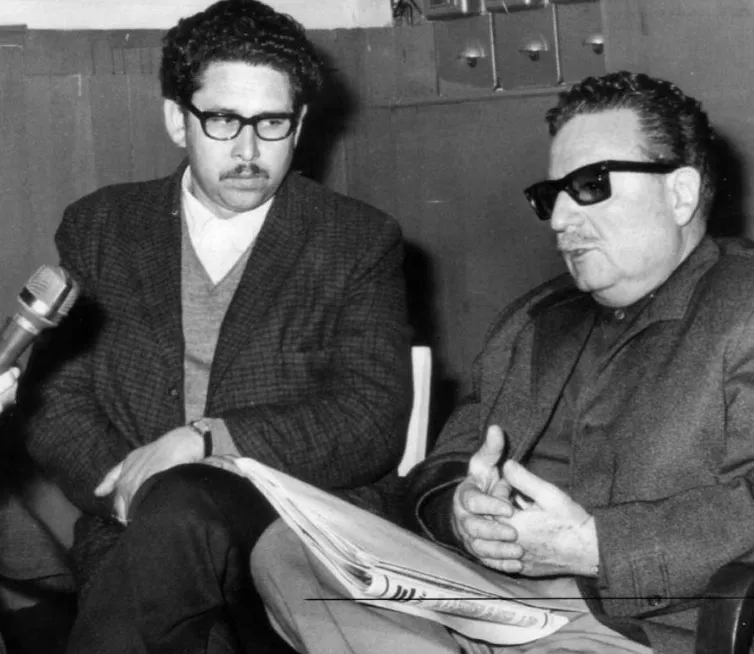
As I read Will Liley’s response to my article in dedication to my late uncle, I recalled the poem in Gabriel Garcia Marquez’s novel Clandestine in Chile:
Hero, I said; no one
will erect
on the soil
of some public plaza
your inspiring
statue,
no one.
Instead, amid
somber official laurels
will be installed
a moustached man
in frock coat or with sword,
a man who killed
a peasant women
in the war,
a man who with a single
bloody shell
demolished
a school for
little girls,
a man who usurped
the Indians’
lands,
a hunter
of doves
exterminator
of black swans…
Although many historical debates have multiple sides, there is generally settlement over time bout the crimes of those who misused power, especially where vested interests have been revealed. We no longer try to justify brutal actions but come to terms with past sins, show compassion and sensitivity to the victims. We no longer take holocaust deniers seriously, nor do we tolerate insensitive arguments that try to justify actions over the stolen generations. (I was lucky enough to be working in the Rudd government when we collectively, as a nation, said Sorry).
The extreme far right have delayed progress on climate change by trying to legitimise a tiny minority view that denies science. These are the tactics of Trump and Steve Bannon’s Breitbart News, in their attempt to create a post-truth world – which is frankly the place where Mr Liley’s piece belongs.
The Pinochet regime was brutal with its torture – there are well-documented accounts of rape, electrocution, beatings, water-boarding and, of course, the drowning of generally poor political activists.
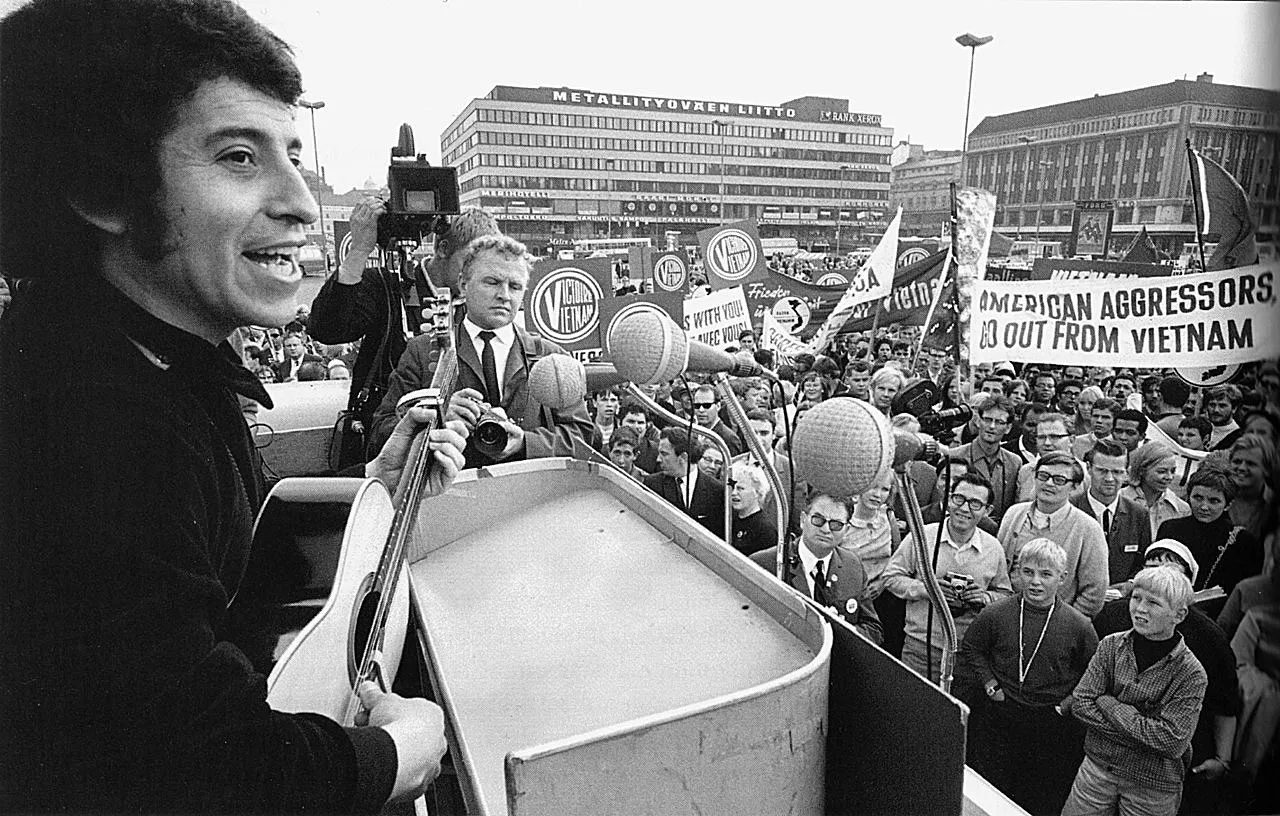
Victor Jara, a popular guitarist from the working class, famously had his hands smashed by Pinochet’s henchmen only then to be asked to perform with obliterated fingers to other political prisoners – as a sick joke. He instead sang We Shall Prevail, a song used as an anthem in the election of Allende. He was later found with 40 bullets through his body, dumped in the streets of Santiago.
Mr Liley shamefully states that Pinochet may have had majority support from the population as some kind justification for these atrocities. If so, why didn’t Pinochet wait for an election like Allende? Chile is one of the first democracies in Latin America with established democratic institutions. When Allende won the election in 1970 it was his fourth attempt at the presidency; unlike Cuba or the USSR, the Chileans were committed to the democratic process. When Pinochet was finally forced, through international pressure, to offer a plebiscite after 17 years of terror, the Chilean people chose democracy and rejected his rule.
During his reign Pinochet found good favour among a group called Colonia Dignidad (‘Dignity Colony’) which was a group of Nazis in Chile established post-World War II by emigrant Germans – it became notorious for the internment, torture, and murder of political dissidents at Pinochet’s request.
My original piece was predominantly a tribute to a family member who disappeared under Pinochet’s regime. Liley has used his free speech to trample on the graves of the murdered poor, justified the actions of Pinochet (owing to ‘existential threats’), and sided with most militant right-wing and nefarious parts of this discussion.
♦ Damian Kassabgi is a former policy adviser to Prime Ministers Rudd and Gillard.
 For four decades The Echo has printed the stories some people loved, some people hated, and some pretended not to read. If you want us to keep telling the truth, the real truth, not the sugar-coated version. We’ll need your support to keep the presses rolling.


