


Anzac Day is always a solemn day for Australians and New Zealanders – and for good reason.
In WWI, Australia had only been a nation for 15 years, and was still tied to the apron strings of the British Empire.
In the context of the era, it’s understandable there wasn’t a lot of questioning of patriotism, and so young men bravely set sail to defend their King and country on the shores of Gallipoli, Turkey.
According to Australian War Memorial, www.awm.gov.au, ‘At 64.8 per cent [for WWI], the Australian casualty rate (proportionate to total embarkations) was among the highest of the war’.
It left Australia devastated at the time, and largely without a population of young men. It took generations to rebuild.
8,000 odd Australian and New Zealand Anzacs died in the Gallipoli campaign.
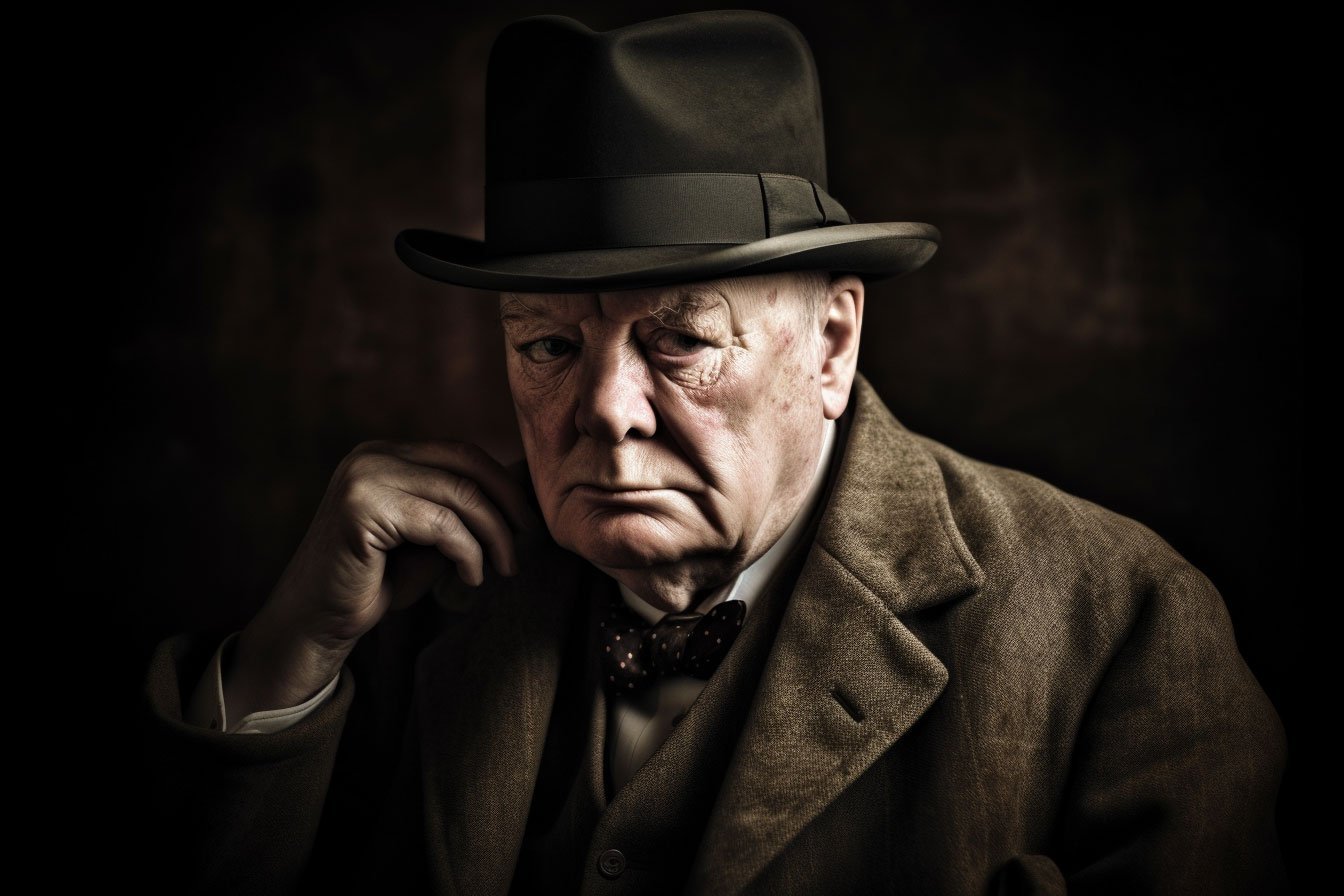
In what history now judges as a poorly orchestrated attack, the Anzacs were led by the remote, uncaring British. With the luxury of hindsight, it appears that young men were expendable to the man who planned it: British First Lord of the Admiralty, Winston Churchill (1874–1965).
In the same year as the diastrous Gallipoli campaign, Churchill also led the Dardanelles naval campaign – a failure.
Churchill is often mistaken for a great leader, yet his evil accomplishments are up there with Belgium’s King Leopold III (1901–1983), who was responsible for the deaths of 10 million Congolese.
Apart from military disasters that cost the lives of thousands, during World War II Churchill prioritised the stockpiling of food for Britain over feeding Indian subjects during the Bengal famine. That cost the lives of up to three million people, according to www.britannica.com.
Such short dives into history generally reveal that ‘leaders’ such as these are the reason for the suffering and misery of everyone else.
A remarkable poem that reflects the personal and tragic side of this war is by English war poet, writer, and soldier, Siegfried Sassoon (1886–1967):
Suicide in the Trenches
I knew a simple soldier boy
Who grinned at life in empty joy,
Slept soundly through the lonesome dark,
And whistled early with the lark.
In winter trenches, cowed and glum,
With crumps and lice and lack of rum,
He put a bullet through his brain.
No one spoke of him again.
You smug-faced crowds with kindling eye
Who cheer when soldier lads march by,
Sneak home and pray you’ll never know
The hell where youth and laughter go.
 For four decades The Echo has printed the stories some people loved, some people hated, and some pretended not to read. If you want us to keep telling the truth, the real truth, not the sugar-coated version. We’ll need your support to keep the presses rolling.


