


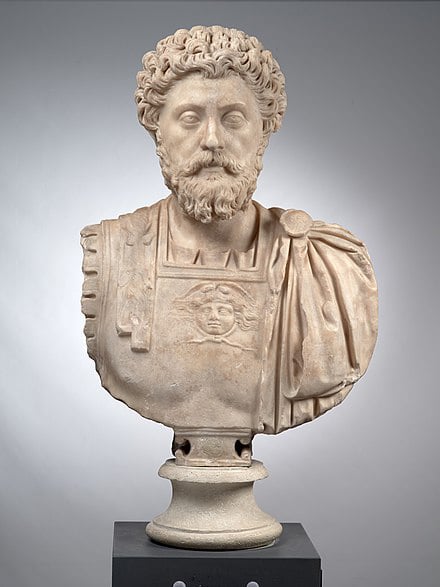
Meditations, as penned by Roman Emperor, Marcus Aurelius, is the perfect antidote for those overwhelmed by life’s constant distractions and instant gratifications.
Aurelius apparently wrote his personal diary in Koine Greek between 170-180 AD, and never intended them to be published.
For around 700 years after his death, the work went unmentioned until around 900AD.
The Dark Ages were so called, not because of the lack of electricity, but because Europeans became a fairly unenlightened lot after the fall of Rome.
Similar to the Bible, Meditations was translated throughout the centuries.
Thankfully, Byzantine scholars preserved Meditations through the Middle Ages, before the first edition (editio princeps) was published in Latin by German scholar Wilhelm Xylander in around 1558.
It was then translated into English by another scholar, Meric Casaubon, in 1634.
Stoic doctrines
The wisdom of Aurelius is drawn from Stoicism, a school of Hellenistic philosophy that originated in Ancient Greece and Rome around 300 BC.
Zeno of Citium (born 334 BC) was its founder, and his inspiration is believed to have originated from the Cynics, whose founding father, Antisthenes, had been a disciple of Socrates. Socrates was also Plato’s teacher.
Some of the Stoic doctrines include virtue being the highest good, and sufficient for happiness.
The Stoics also believed that practising wisdom, justice, courage, and self-control leads to a well-lived life, and that we should focus on what is within our control, and accept what is not.
And there was a hint of hippy love and mung beans in the ancient Stoics, given they thought all humans deserved respect as fellow citizens of the cosmos. Stoics promoted ideas of universal brotherhood and cosmopolitanism.
Given Meditations precedes the mountain of terrible self-help books that now pollute the planet, it remains refreshingly direct:
‘You always own the option of having no opinion. There is never any need to get worked up or to trouble your soul about things you can’t control.’
‘The happiness of your life depends upon the quality of your thoughts.’
Hans Lovejoy, editor
News tips are welcome: [email protected]
 For four decades The Echo has printed the stories some people loved, some people hated, and some pretended not to read. If you want us to keep telling the truth, the real truth, not the sugar-coated version. We’ll need your support to keep the presses rolling.


