



We do love the sunburnt country on our wide brown land, but businesses are falling by the wayside as travellers bypass small towns, or worse, stop to spend a penny but not a few dollars.
It can be a long time between drinks in the Outback, and in recent years, the long time has become much longer as small business after small business closes through lack of patronage.
On a recent trip Outback I called into the Olary Hotel to use the loo – I make it a rule that if I use someone’s toilet, I also spend a few pennies, even if it’s only a packet of chips or a soft drink.
You say O’Leary, I say Olary
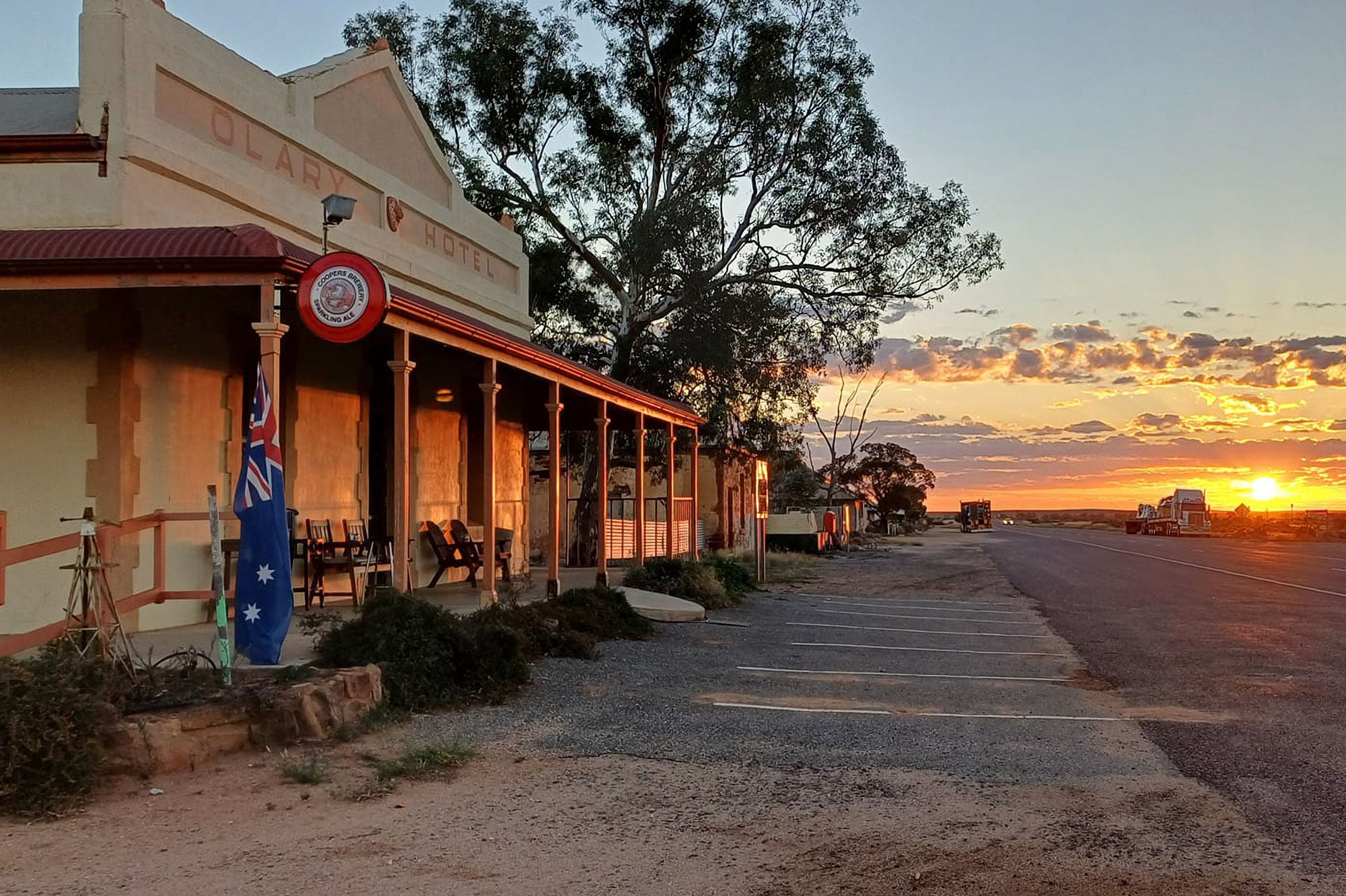
Amber Crowley took over the Olary Hotel (you say it O’Leary, but that’s another story) on Australia Day this year. She’s been having some good days and some not so good ones but it’s the handful of loyal regulars that are keeping her going – that is, people from the local farms and the truck drivers who pass through – little comes in from the the dozens of travellers who drive along the Barrier Highway each day.
Not so lucky is the roadhouse at Little Topar almost 200 kilometres to the east that is closed permanently. What was once a thriving business now has a Perry’s un-manned, computer-operated fuel pump and a dusty ‘closed’ sign on a sandwich board in front of the crumbling roadhouse.
Though there is a reasonably clean public toilet across the road from the Olary Hotel, people still come in to the pub to use the facilities then leave – some come in and poke their head through the door, look around for a sticky beak, and then leave.
Amber says to me on the quiet, ‘This isn’t a museum’.
The forgotten art of patronage

Cross-country trucker Keven Mitchell blames it on a society that has forgotten about patronage – Keven calls into the hotel each time he passes if it’s open. He also uses the toot and then he sits at the bar and has a chat with Amber, he buys some crisps, has a meal if he has time and then gets some takeaways for later that night when he pulls over.
‘I think personally, patronage out on the highway is one of the biggest problems. It’s something that we don’t do a lot of anymore. We go to a business and we use their facilities, but we don’t think, “for $3 I’ll just grab a can of Coke or a bottle of water”, or anything like that. You see them here – they turn up, they expect you to open the doors and allow them to use the toilets and then they’ll walk straight back out.

‘But it’s not just happening here. It’s happening in small places all around the country.
‘There’s a great little pub at Orroroo (also the best coffee in the state at Maggies Café). I stop there just to buy ham and cheese toasted sandwiches – because it supports the local community.’
Keven says if he’s totally honest he has everything he wants in the truck, but even he needs places to stop and refuel the truck and they are becoming few and far between as they diminish in numbers.

Great service in small towns
The Olary was also once one of the victims of not enough patronage. It was closed for seven years before new owners breathed life back into it as a COVID project. Amber bought it from them this year and is doing her utmost to make it viable.
When we visited it was a busy night at the Olary as there were a dozen or so locals from surrounding farms having dinner. Amber had a lass helping in the bar while she was in the kitchen. She can’t employ her full time but she gives her as many hours as she can.
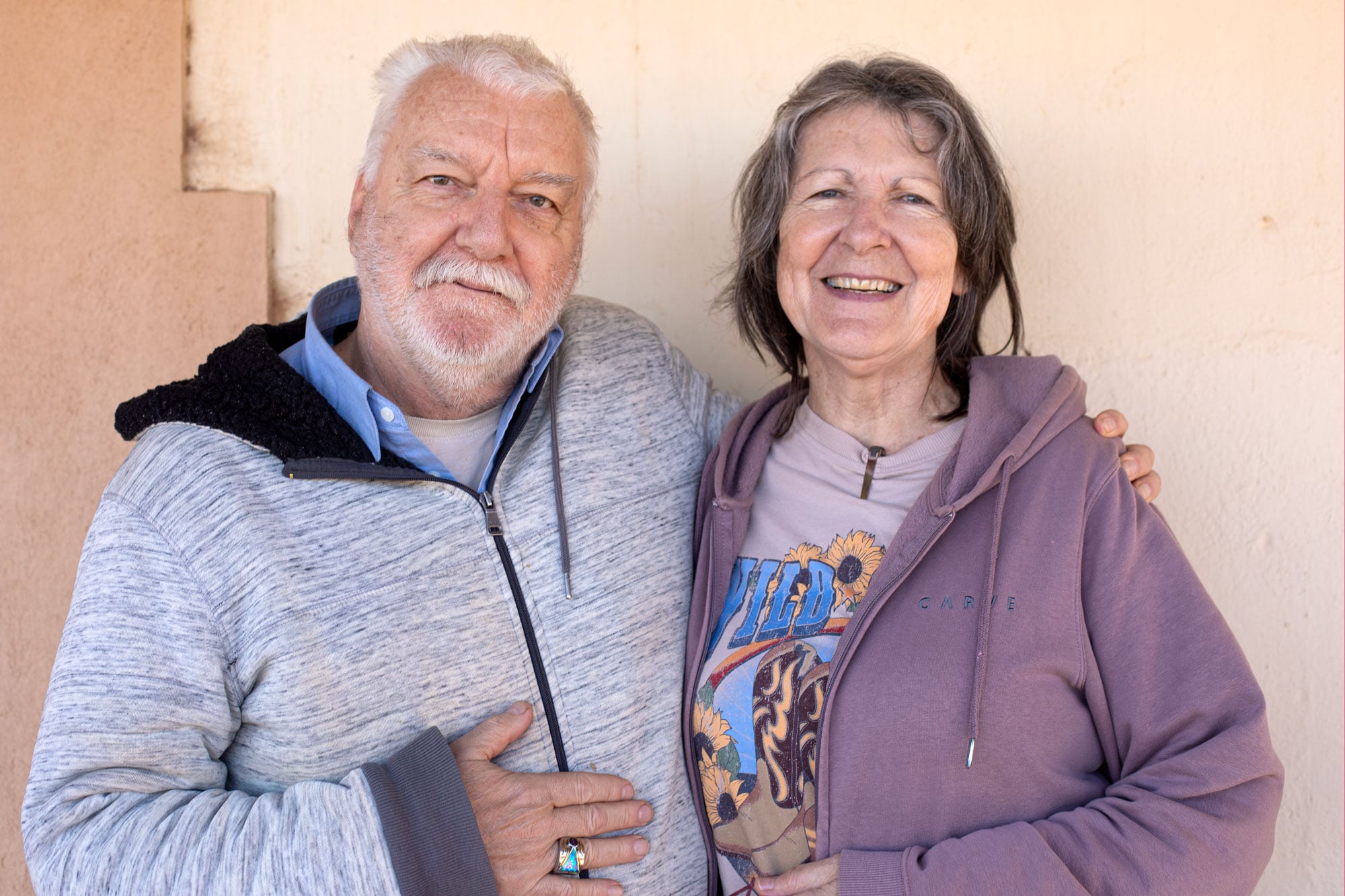
‘It’s really good to have such wonderful support from the locals,’ says Amber. ‘They are keeping me going.’
But she can never tell from one day to the next how busy she will be. A lot of that depends on the passing traffic and travellers who might call in.
Amber is a great cook, a REALLY great cook – we had a delicious meal that she veganised for us. She went to a lot of trouble and it was worth it – it was amazing service, the kind of which you expect in the city but she is a one-woman-show in the kitchen. She would also like to employ more staff but she would need more trade to make that happen. ‘I do have some of the station girls out here who come in. They’ve all got their RSA, so if I know I’m going have a busy night, they come in and help me behind the bar and in the kitchen – we do a bit of juggling.

Once a truckie…
As well as her locals, Amber, who has been a truck driver herself, thinks it’s important for people like Kevin and the other truck drivers, to have somewhere nice, where they can come and get a good meal, have a chat and sit and relax for a bit. ‘It’s always been important to me because drivers know where to stop for their food. So even Kevin’s wife’s will message me and say she’s glad I can look after him while he’s on the road. He and his wife are lovely.’
Why does she think other travellers don’t stop? ‘When they come through they are on a beeline to get where they need to be and they forget about the journey. It’s not the destination, it’s the journey. So many people forget that – but when they do stop and have a look around, I tell them where the old cemetery is and the old school. Have a look around and remember the old days.
‘Some come in and they’re the people who are interested. The ones driving past, sometimes it’s just to be fast. Fast cars, fast food, fast everything.’
Unfortunately, Keven Mitchell says it’s the fast lane that is causing the closures thats are happening all across Australia. ‘Places are closing down because patronage isn’t there anymore. And it’s not taught, it’s not passed on from generation to generation.’
Amber’s open house

Amber’s own experiences as a driver has taught her the good and bad of roadhouses and truck stops. She knows what drivers need and what’s good for them. ‘This is why I love it here. It’s like having an open house. Come in and sit down. Enjoy the fire.
‘The other night when I was cooking one driver’s dinner he said it was like being at his local pub. Sometimes they just want to it to feel like it’s home because that’s where they want to be.
‘You just want everyone who walks through the door to feel comfy and happy and that’s what we’re here for.’
 For four decades The Echo has printed the stories some people loved, some people hated, and some pretended not to read. If you want us to keep telling the truth, the real truth, not the sugar-coated version. We’ll need your support to keep the presses rolling.


