


Last week’s intense focus on whether or not federal Labor was going to revisit its negative gearing policies to deal with the housing crisis (no chance, according to the PM) did a great job of distracting from some other major stories.
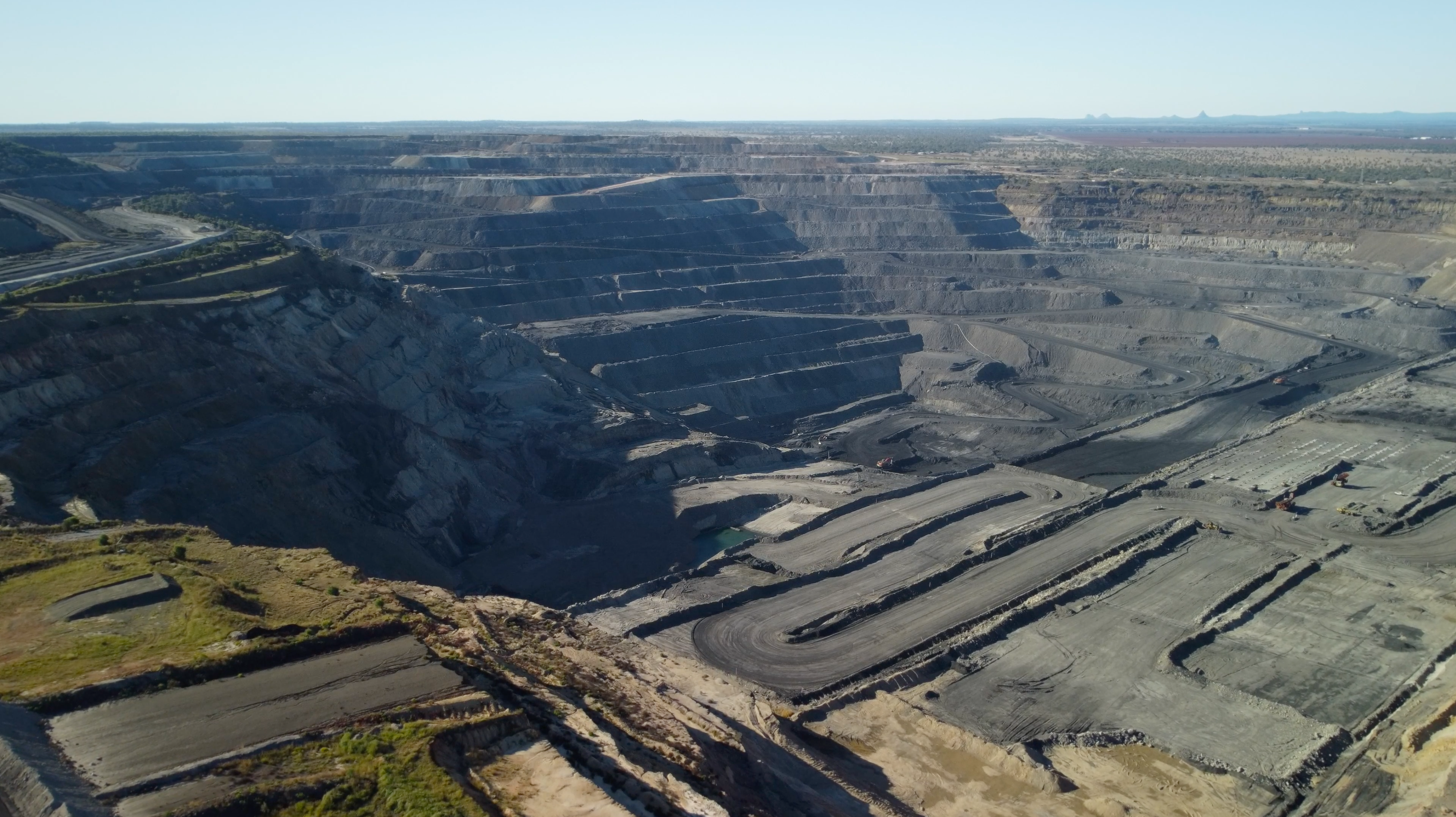
The biggie was federal Environment Minister Tanya Plibersek’s approval of three thermal coal expansions in NSW, which will lock in about 1.4 billion tonnes of lifecycle greenhouse gas emissions. That’s more than three times Australia’s current total yearly emissions.
These latest expansions will extend the life of Whitehaven’s underground operation at Narrabri (to 2066), the already massive Mount Pleasant open cut mine near Muswellbrook (to 2058), and will lead to the re-opening of the mine at Ravensworth, also in the Hunter valley, now to run until at least 2064, if the human race hasn’t wiped itself out by then.
In addition to the global warming effects, acknowledged local impacts of these three expansions include the destruction of large amounts of koala habitat, draw-down of groundwater (permanently affecting local agriculture), and the loss of endangered species.

Lock the Gate’s Carmel Flint spoke for many when she said, ‘We are shocked that a government that came to power promising to halt extinction and act on climate change has sunk so low.’
Slap in the face
The Whitehaven decision in particular is a slap in the face to Bushfire Survivors for Climate Action, who recently delivered an 11,000 signature petition to the environment minister pleading with her to do her job, and encouraging the Albanese government to put a pause on new approvals of coal and gas until climate impacts could be considered, and enshrined in law.
This followed an unsuccessful court case brought in 2023 by the charity to challenge the NSW Independent Planning Commission’s approval of Whitehaven’s expansion.
Serena Joyner, CEO of Bushfire Survivors for Climate Action, said ‘We’ve done everything we can to protect our homes – even to the extent of taking on a massive coal company in the courts. We can’t do anything more, and yet the government keeps raising the risk level.
‘This is a cowardly decision by the Albanese government that is actively failing to take real climate action to protect our communities from worsening fires, floods, and extreme weather. If this government won’t stand up to the coal billionaires and polluters, then who will? Who will say no to these projects?’
Tanya Plibersek says emissions from the three mine expansions will be considered under ‘strong climate laws’ administered by Climate Change Minister Chris Bowen, but in practice the government’s existing safeguard mechanism only relates to emissions produced during mining within Australia, not when the coal is burned elsewhere (Scope 3 emissions), which account for at least 90 per cent of the pollution impacts.
As Greens leader Adam Bandt pointed out a few days ago, emissions are already higher under Anthony Albanese than they were under Scott Morrison’s leadership. How is Minister Plibersek going to spin this to the Global Nature Positive Summit in October?

Old and in the way?
Last week at the National Press Club, Age Discrimination Commissioner Robert Fitzgerald AM and Dr Marlene Krasovitsky spoke about the pervasive issue of ageism in Australia, with stereotyping, prejudice, and discrimination based purely on age having a disastrous effect on older people’s lives and choices, and damaging society as a whole.
Dr Krasovitsky noted that one in two people globally hold ageist views, and one in three experience ageism. Research suggests ageism negatively impacts employment, health, and social well-being, with 30 per cent of Australians over fifty experiencing workplace discrimination.
Considering the fast-ageing Australian population, Age Discrimination Commissioner Fitzgerald emphasised the need for a national campaign to combat ageism, and called for legislative and cultural changes to address the issues, with important roles to be played by media and politicians.
As a first step, he called for the Australian government to support the United Nations Convention on the Rights of Older People, with both speakers discussing the importance of building inter-generational solidarity and addressing inequities without pitting generations against each other.
Hopefully some of Australia’s ageing leaders were listening.
Originally from Canberra, David Lowe is an award-winning film-maker, writer and photographer with particular interests in the environment and politics. He’s known for his campaigning work with Cloudcatcher Media.
 For four decades The Echo has printed the stories some people loved, some people hated, and some pretended not to read. If you want us to keep telling the truth, the real truth, not the sugar-coated version. We’ll need your support to keep the presses rolling.


