



With the Australian federal parliament in recess, and in the wake of an American election won with a campaign of lies amplified by social media, a Senate committee spent a day last week publicly discussing the Albanese government’s (probably doomed) bill to combat misinformation and disinformation.
If you want an insight into those who are most troubled by attempts to clamp down on online misinformation in Australia, those who asked the most questions at the public hearing were the NSW Nationals’ Senator Ross Cadell, One Nation’s Malcolm Roberts, and the Queensland Nationals’ Matt Canavan.
Responding to their concerns were senior legal experts from the Human Rights Law Centre, the Victorian Bar and the University of Sydney.
Senator Cadell said he was concerned that the Australian Communications and Media Authority would become ‘the Ministry of Truth’, in spite of statements to the contrary.

Senator Canavan wondered if the bill potentially restricted constitutional protections for the freedom of political discussion.
Who decides?
James McComish, representing the Victorian Bar, said ‘by definition, misinformation and disinformation won’t be revealed simply by looking at the content of the post itself.
‘It will depend on a contrast being made between what is stated or depicted in the post and extrinsic understanding of what the truth is.’ In the absence of proper fact-checking or policing from online platforms, would this not inevitably become the ACMA’s role?
Senator Roberts, perhaps the most active user of social media in the current parliament, and a noisy critic of the government, asked rhetorically, ‘so we’re asking the peddlers of misinformation to control misinformation?’
He described the bill as being part of the ‘censorship regime’, which incoming President Trump had recently promised to dismantle globally, penalising other nations ‘for adopting the exact measures contained in this bill’. Apparently unaware of his own hypocrisy, a moment later he said Labor’s domestic bill was ‘a direct attack on Australia’s democracy’.
Independent ACT senator David Pocock wondered how it would be legally possible for Australian authorities to get into the ‘black boxes’ determining the algorithms serving misinformation to Australian citizens.
Professor Anne Twomey agreed this was a problem, as Australian law had no jurisdiction over foreign social media companies, but said there ‘was a little bit of transparency around’, with recent public examples from Meta and TikTok showing numbers of posts being demoted or taken down, if not the processes involved.
Human rights lawyer David Mejia-Canales acknowledged that a great deal of harmful online content could not be captured under the mis- and disinformation banner, but said the bill was a positive start.
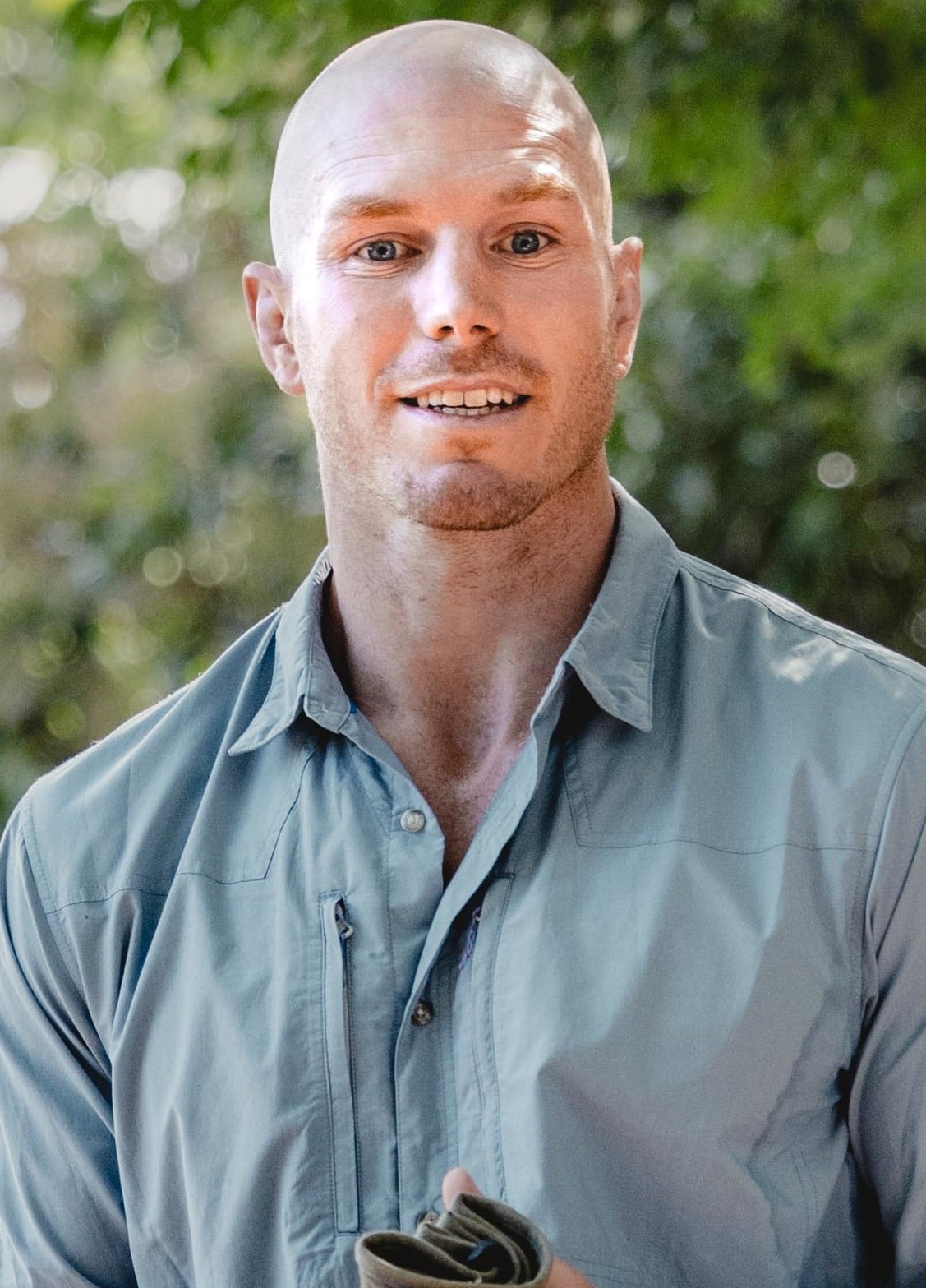
Senator Pocock spoke about the flood of ‘non-human actors’ flooding timelines with inauthentic posts and boosted content. Experts agreed that bots did not have freedom of expression rights, but the people who set them in motion might.
A number of conservatives were greatly concerned about an insertion in the explanatory memorandum for the bill, which says ‘opinions, claims, commentary and invective’ could constitute misinformation.
Where was the line between opinion and fact, and who would decide?
And so it went on for eight hours, apart from a minute’s silence to remember the fallen.
The Albanese government says this discussion will join 20,000 public comments as they seek to improve and advance their Mis- and Disinformation Bill. Plans for a Digital Duty of Care and an Online Safety Act are also on the table, and equally mired in controversy.
What happened to integrity?
As the parliamentary year winds down, there has been a renewed focus on the government’s National Anti-Corruption Commission, which was originally set up to do something about federal dodginess after pressure from the teals.
Without naming names, or even saying who is being investigated until the investigations are abandoned, the NACC has pleased pretty much no one to date, apart from the corrupt, presumably.

Commissioner Paul Brereton has now been revealed to have a ‘close association’ with one of the people under investigation for the Robodebt disaster, which the NACC ultimately decided was not a matter for them, even after the Royal Commission into Robodebt referred six people to the federal integrity body for further investigation.
The NACC now has a second chance to properly investigate Robodebt, and regain the public’s trust, but insiders have described a culture of timidity which does not bode well for what was supposed to be a fearless anti-corruption organisation.
They should have no shortage of material. Albo’s flight upgrades are kid’s stuff next to the industrial level dodginess of Barnaby Joyce, Bridget McKenzie and the rest of them. Michael West has compiled a comprehensive list of rorts and scandals here, if you have the stomach for it.
Both houses of federal parliament will sit for the final time this year for the next two weeks, but PM Albanese will be overseas for the APEC and G20 summits for half of that time. All eyes will be on Treasurer Jim Chalmers to see if he can pull the government out of a nosedive, as we approach an election in 2025.
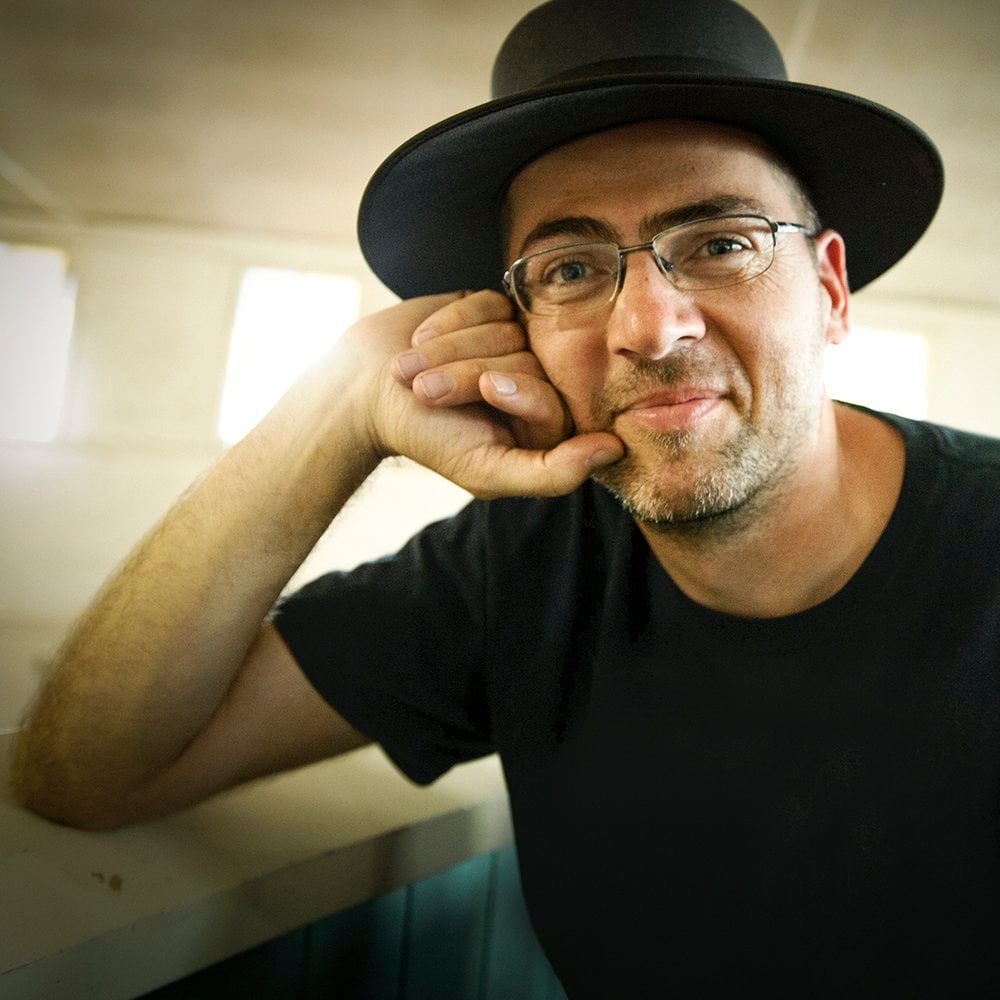
Originally from Canberra, David Lowe is an award-winning film-maker, writer and photographer with particular interests in the environment and politics. He’s known for his campaigning work with Cloudcatcher Media.
 For four decades The Echo has printed the stories some people loved, some people hated, and some pretended not to read. If you want us to keep telling the truth, the real truth, not the sugar-coated version. We’ll need your support to keep the presses rolling.


