



While Australia’s parliamentarians were frocking up for the Midwinter Ball last week, representatives of the nation’s authors, musicians and artists were in Canberra pleading for assurances that the government would not water down copyright laws, as part of a deal with giant tech firms to build $50bn worth of new data centres across the country.
Authors Anna Funder and Andy Griffiths described themselves as victims of crime, with their books having been scraped without permission to train artificial intelligence models. ARIA executive Annabelle Herd said the music industry shared their concerns.
‘I feel like I’ve been building, slowly and painstakingly with a massive mortgage, a block of flats,’ said Anna Funder. ‘Each book is a flat, and I rent it out, and the money that I get is royalties. These big tech bros have moved into my flats, kicked me out, and are charging rent for my work.’
The creatives were speaking up in parliament as the result of what independent senator David Pocock called a ‘massively concerning secret plan’ being worked on by government to sell out Australian creatives’ work to multinational AI companies, in exchange for an ‘eye-wateringly large investment’ in AI data centres.
The government has denied any such plan exists.
Intelligent?
Earlier, on the floor of the Senate, Tasmanian Greens senator Nick McKim sought to highlight what he described as the Albanese government’s failure to protect Australia’s environment, water, jobs, data and national interest from the march of US tech billionaire controlled artificial intelligence and data centres across the country.

South Australian senator Sarah Hanson-Young said, ‘they are rolling out the red carpet before they’ve even worked out what Australia is going to get back in return.’
She suggested that Australia’s weak regulatory environment made it an attractive target for big data, along with ‘the government’s willingness to roll over as soon as the dollar signs start shining.’
Senator Hanson-Young went on to say, ‘to the Albanese government: stop being so starry eyed about this. Australians deserve to know and to be assured about what the real implications of artificial intelligence mean for them – what they mean for our jobs, what they mean for our water and our environment, and what they mean for our intellectual property rights.
‘What do they mean for our national security? At the moment, the government can’t answer any of those questions.’
Opening our electronic arms
Senator David Pocock said, ‘The Labor government tells us that we should just open our arms to these big multinationals with some statements of expectations on a website because, if we don’t, we won’t be shaping the future of AI. But the problem with that is that the government seems to have no actual intent to shape the future of AI…
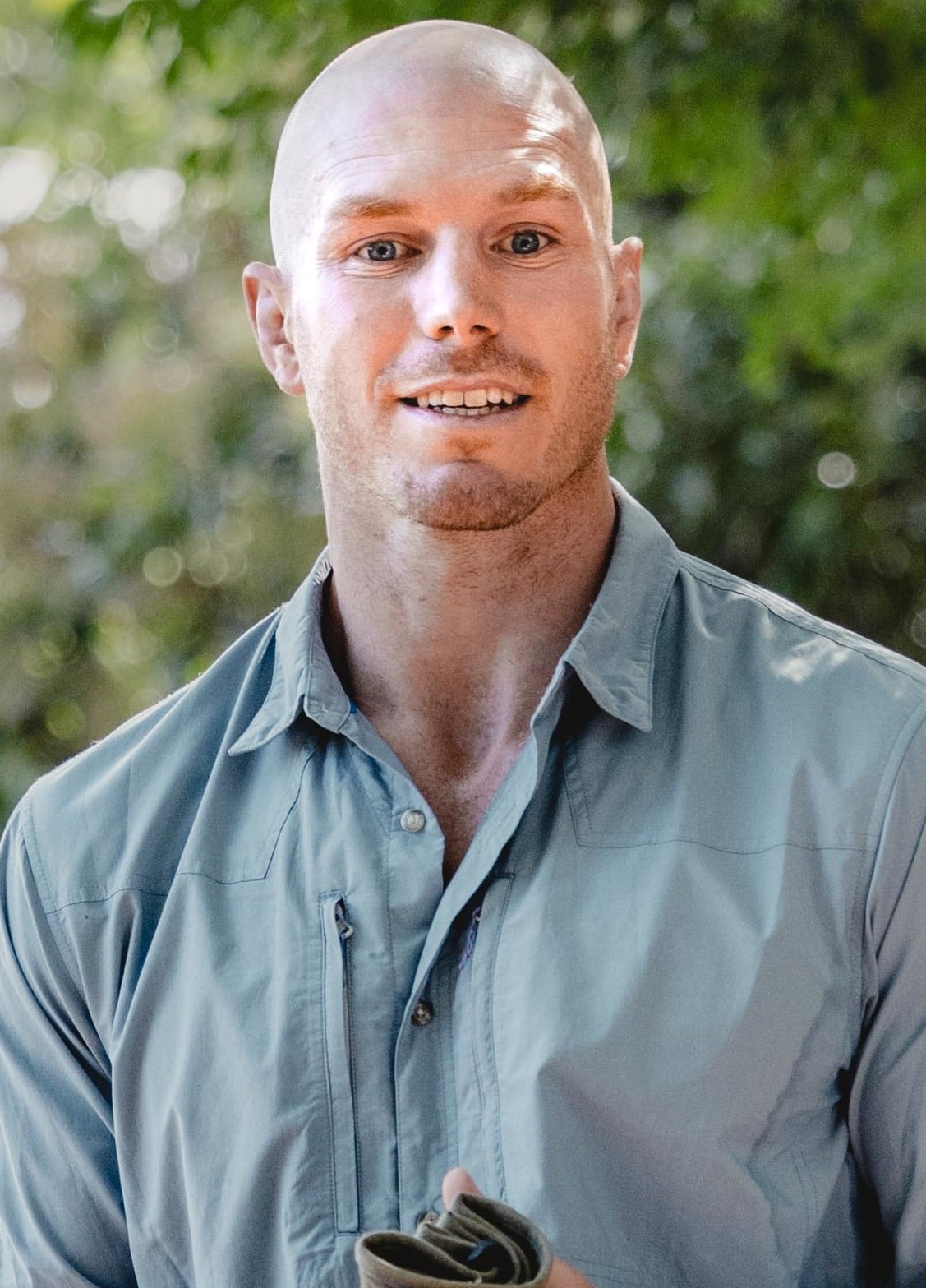
‘After months of work setting up an expert body to advise on AI, it was scrapped,’ he said.
‘I’m concerned we’re not planning for this. We’re not talking about the difference between sovereign Australian owned data centres that keep the data here and that are servicing Australian banks, government and researchers and these big multinational hyperscalers who want to come here on their terms, use our resources and not pay tax.
‘We’re not hearing anything from the government about something like a digital services tax. We’re not hearing anything about the need for some sort of compute reservation policy,’ said Senator Pocock.
‘This is something we should be talking about because there are hundreds of billions of dollars of investment flowing towards Australia. We hold some cards here. We should be setting the terms and ensuring that Australians now and future generations of Australians do benefit from this, rather than just saying, “Well, if we don’t just roll over for them, they’ll go elsewhere.” That doesn’t cut it.’
Democracy or data?
NSW Senator David Shoebridge went further, with a typically fiery choice of words. ‘The Australian government should be protecting Australian jobs, our environment, our water and our national interests from the march of US controlled tech bros, with their AI centres and their data scraping, through our institutions…
‘Under the Albanese government, we’ve got this pressure from the global AI tech industry largely driven by US tech bros, billionaires like Elon Musk and others, and some of the bottom-feeders that run companies like Palantir and Anduril – really nasty types who have a direct political project to drive forward the interests of the United States military, the United States government and the Trump administration.
‘And what does the Albanese government do? Does it say, “Actually, we’re the government for Australia, and we’ll put in laws and controls and hard guardrails?” No, not this mob. The Albanese Labor government roll out the red carpet and give this lot contracts. They gave a $1.7 billion contract to Anduril, controlled by the kind of person you couldn’t make up – the kind of cartoon-villain, right-wing US tech bro billionaire. They also roll the red carpet out to Palantir.

‘Australians are asking for a government that responds to the needs of the Australian people,’ said Senator Shoebridge.
‘Protect our jobs from this law. Don’t put in place expectations that foreign multinational techs will roll over; put in place hard laws. And, for once, have this place, have this government, have this parliament, be on the side of Australians, Australian jobs and the Australian environment, not of whatever AI slop comes out of Washington.’
Although the parliamentary debate on AI and data centres so far might suggest otherwise, these are concerns not just for independents and Greens.
It will be worth keeping an eye on what the Labor rank and file has to say to its leadership about these issues at their party’s forthcoming 50th National Conference, to be held in Adelaide later this month.

Originally from Canberra, David Lowe is an award-winning filmmaker, writer and photographer with particular interests in the environment and politics. He’s known for his campaigning work with Cloudcatcher Media.
 For four decades The Echo has printed the stories some people loved, some people hated, and some pretended not to read. If you want us to keep telling the truth, the real truth, not the sugar-coated version. We’ll need your support to keep the presses rolling.


