



The Richmond River koalas are a genetically different koala population from other populations in NSW and locals are calling for a range of actions to ensure the preservation of this important koala population and improve the health of the Richmond River.
Conservation groups and local communities are calling on the NSW government to permanently protect 56,200 hectares of state forests in the Richmond River valley and along the southern Richmond Range (south of the Bruxner Highway) that are essential to the preservation of the Richmond River koalas.
Richmond River Koala Parks
They are asking that the area be turned into the Richmond River Koala Parks (RRKP) which would create a series of smaller parks that are interconnected, that would help protect koalas, other endangered species, and improve the health of the Richmond River.
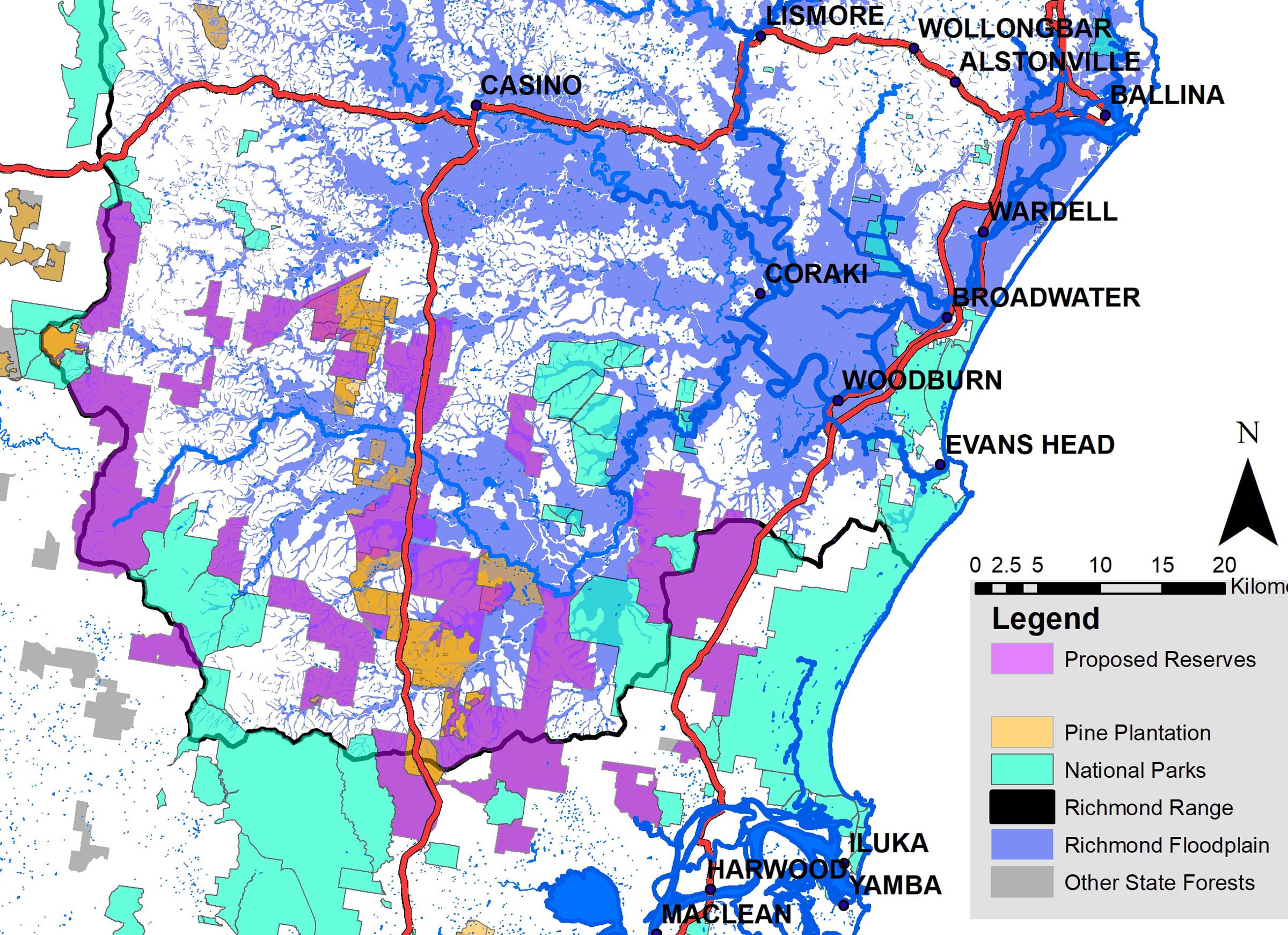
‘The area forms part of the Banyabba Area of Regional Koala Significance (ARKS), which represents the largest area of high-quality koala habitat in the Richmond catchment,’ said ecologist Dailan Pugh, spokesperson for the North East Forest Alliance (NEFA).
‘The proposed reserves encompass 28,000 hectares of Nationally Important Koala Areas, designated by the Commonwealth government as a priority for protection.’
‘These forests are also home to over 130 species threatened with extinction due to habitat loss and climate change.
‘Protecting these forests from logging is not just about providing a lifeline for koalas and a plethora of other struggling wildlife, it’s about restoring ecosystems and the health of the Richmond River.’

Businesses join the campaign
The local non-profit organisation named ‘Protect Richmond River Koala Parks’ is asking local businesses to support the proposed Richmond River Koala Parks by adding their name to the petition by emailing: [email protected].
‘One of Australia’s most important strongholds for koalas is under serious threat,’ explained spokesperson Lindy Stacker.
‘We are asking for help (pleading if necessary) to turn our unsustainable state forests into National Parks. These forests support over 130 threatened species, including four critically endangered, 39 endangered, and 89 vulnerable species, as well as some of the largest remaining wetlands and endangered woodlands on the Richmond floodplain.’
Richmond River health
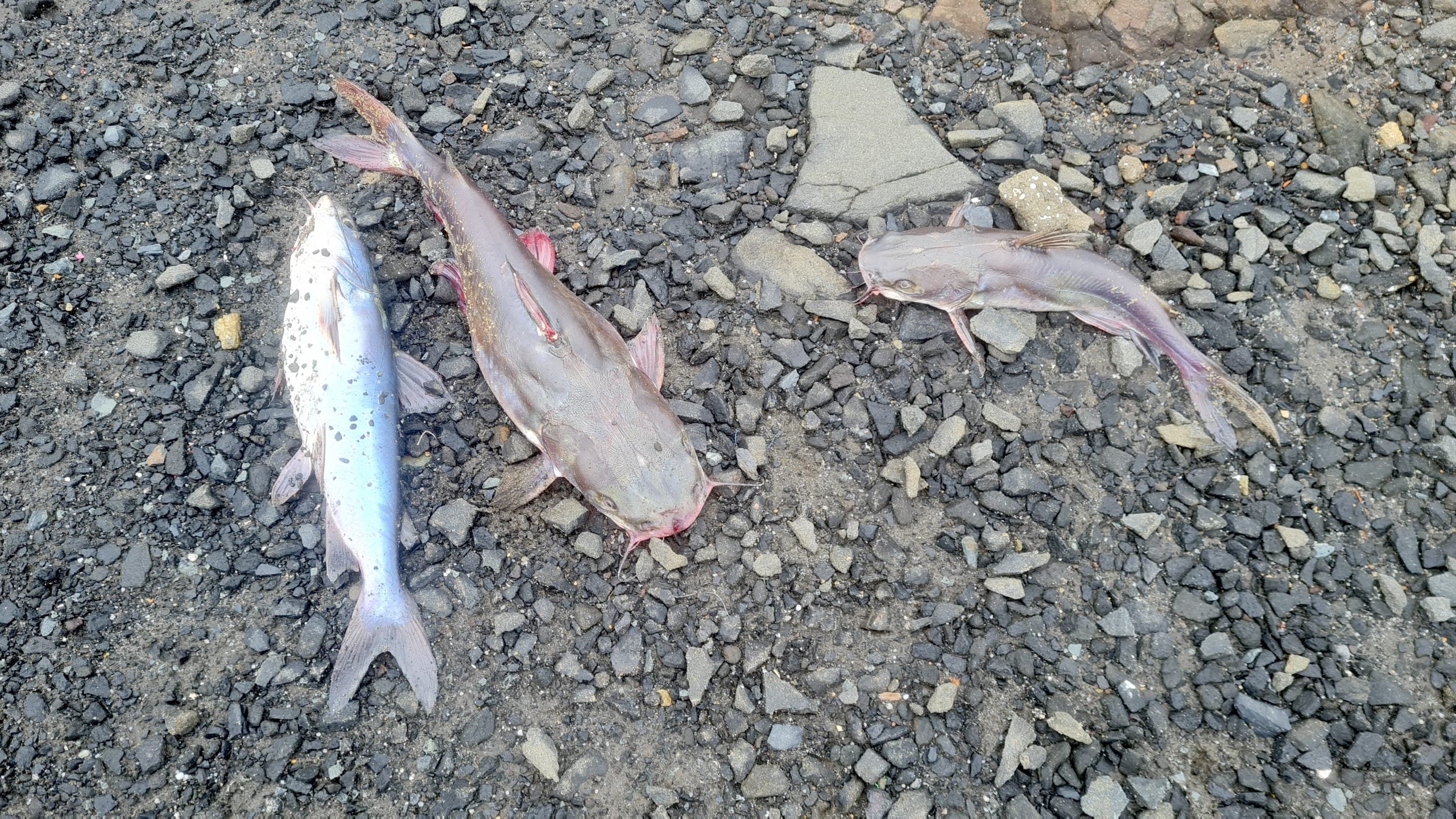
Emphasising the multiple positive impacts of the RRKP project Mr Pugh said that it would be significant in helping restore the health of the Richmond River, which is severely degraded and continues to see regular mass fish kills.
‘The Richmond River has been severely degraded by pasture land management and logging that has led to the sick and unhealthy state of the Richmond River,’ explained Mr Pugh.
‘As a result, there continue to be mass fish die-offs, and it is essential that we protect the riparian areas around the river and the catchment. Currently they can log drainage channels and to within five metres of the creek which greatly accelerates the amount of the slit entering the system etc. Creating the RRKP would protect over 50,000 hectares of land in the riparian zone of the Richmond River and greatly and significantly improve the health of the Richmond River.
‘Further, re-growth uses more water than old trees,’ explained Mr Pugh, ‘so during dry periods the water yield will increase if we stop logging.’

Act now
During the 2019–20 bushfires over 60 per cent of these old growth forests burned and it was recommended in a leaked independent report (on the Coastal Integrated Forestry Operations Approval) from the Natural Resources Commission’s (NRC) to the NSW government that the areas hardest hit by the Black Summer bushfires should not be logged. However, this report was ignored at the time and logging has continued throughout the region.
‘Continued logging is threatening the recovery of koalas and other wildlife, and is degrading habitat, and fueling ecosystem collapse,’ said Ms Stacker.
The petition is calling for a halt to native forest logging, the creation of the RRKP, as well as the strengthening of conservation laws and that forests are managed for resilience and diversity.
You can find out more on the RRKP on the NEFA website here: https://www.nefa.org.au.
 For four decades The Echo has printed the stories some people loved, some people hated, and some pretended not to read. If you want us to keep telling the truth, the real truth, not the sugar-coated version. We’ll need your support to keep the presses rolling.


