


We’re all living in the shadows of the climate crisis. But sometimes the clouds part and blue skies appear briefly.
Damon Gameau’s new film Future Council is one of those moments. Full of light, and joy, and hope.
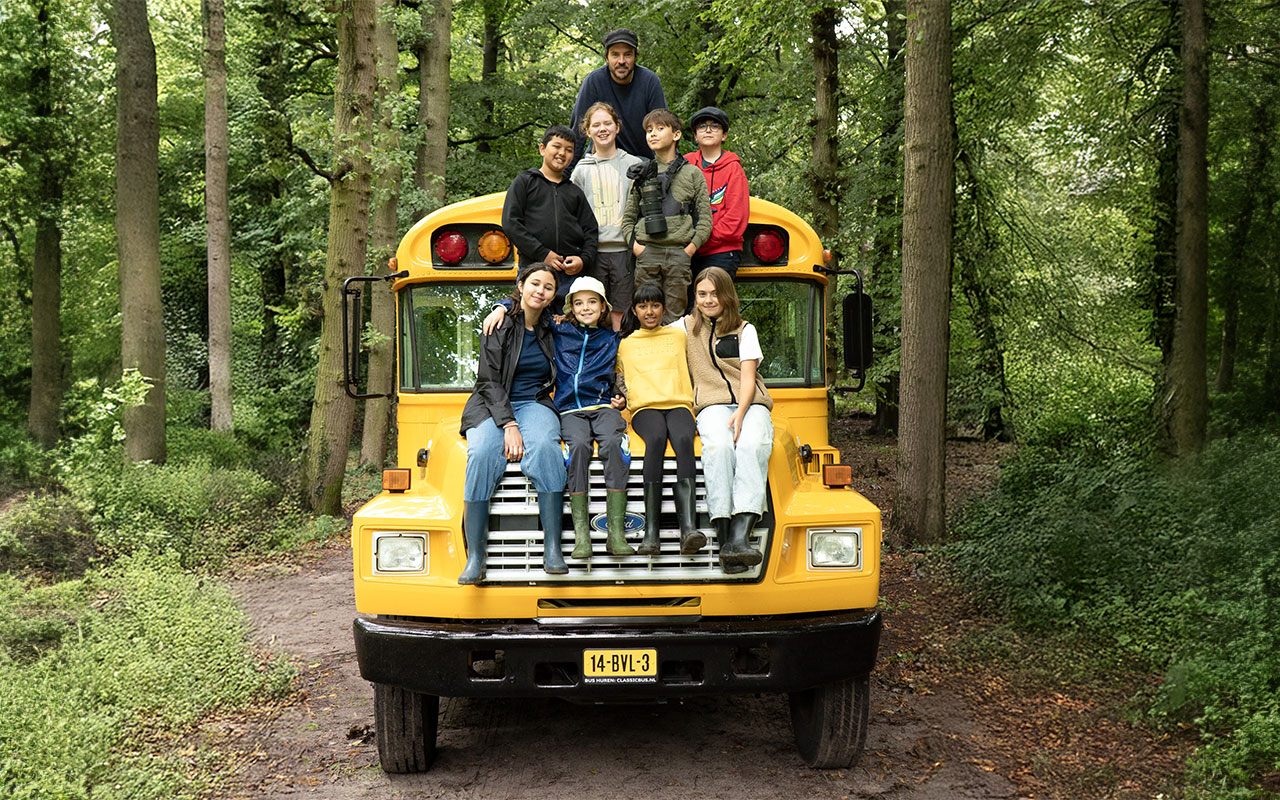
The film follows eight children from across the globe, as they take their concerns about the planet’s future to the boardrooms of the world’s biggest corporations.
One of my favourite moments is when one of the children jokes about the dangers of ‘adultwashing’, as slick CEOs reassure the kids their concerns will be taken seriously.
If ‘whitewashing’ means covering up lies, and ‘greenwashing’ means faking environmental credentials, perhaps ‘adultwashing’ happens when powerful people appear to be mature and rational, while recklessly destroying the future of our planet.
Sound familiar?
Adultwashing statistics
As many Echo readers may know already, the Australian government stands accused by independent experts of cooking the books about how much Australia is cooking the planet.
This is not a marginal concern. It’s about whether we, and our political representatives, are genuinely addressing the climate crisis threatening life on Earth, or whether we’re simply pretending to.
While the government claims Australia’s on track to achieve a 43 per cent reduction in greenhouse gas emissions by 2030, the integrity of that figure is questionable. A big share of the reported reduction comes not from actual cuts to fossil fuel use or industrial emissions, but from the land sector – where emissions aren’t directly measured, but are modelled using satellite imagery, assumptions about vegetation growth, and estimates of soil carbon.
When these estimates are excluded, there’s only been a tiny reduction since 2005, and emissions from coal and gas remain high. ‘This raises serious concerns that reported progress is being driven more by accounting choices than by real, economy-wide decarbonisation,’ says Polly Hemming, Climate and Energy Director at the Australia Institute.
Net-zero is not zero
Complicating this further is the focus on achieving net-zero emissions, rather than real zero. While the rump on the right of Australian politics is still trying to undermine Australia’s commitment to net-zero by 2050, what’s needed is movement towards real zero.
One or two corporations are aiming for real zero, according to Giles Parkinson, editor of Renew Economy. ‘But they’re precious few, and most corporates use the 2050 net-zero target as an excuse to not do very much, when they could and should be doing a lot more.’
The science tells us we must rapidly cut fossil fuel use and protect and restore nature, to avoid calamity. Yet the government is still giving the green light to companies opening massive new coal and gas projects, who boast ‘net-zero’ credentials, because the resulting pollution may be ‘offset’ elsewhere.
‘Real zero means cutting actual emissions as far and fast as possible – no offsets, no speculative future technology, no accounting tricks,’ Hemming told The Echo. ‘Critics call it “too ambitious”, but physics doesn’t negotiate: we either cut pollution enough to keep the planet liveable, in line with the accepted science, or we don’t.’
Regeneration
As the film Future Council makes clear, what’s needed is not more vandalism, but urgent restoration, like tree-planting and repairing waterways. ‘These projects actually cut emissions,’ says Renew Economy’s Parkinson.
Regeneration is of course already underway in the Northern Rivers, but it’s patchy, piecemeal, and poorly funded, with massive increases in investment needed. In my view, local restoration projects also need mandated engagement with local children, offering them opportunities to share the joys, and challenges, of reforesting.
Earlier this year, the government’s response was to launch a new voluntary ‘Nature Repair Market’, to encourage private investment in restoration projects. I can’t help feeling this approach – which relies on a dubious new ‘market’ rather than government investment – is yet another example of adultwashing.
‘There’s no sound economic or environmental case for the nature repair market,’ says Hemming. ‘If you want to protect nature, stop approving projects that destroy it, and directly fund Traditional Owners, farmers and communities to restore it – which will be cheaper and more effective.’
Asked about Gameau’s new film, Hemming says initiatives like ‘future councils’ are a vital form of advocacy, giving young people a platform, reminding decision-makers of who’ll have to live with consequences, and helping shift the conversation.
But to really hold corporations accountable, she argues structural changes are needed, like Senator David Pocock’s ‘Duty of Care Bill’, which aimed to embed young people’s rights in law, and prevent projects that would harm current and future children.
As the impact of Future Council grows globally, let’s hope we see more genuine attempts to clean up our mess, and a lot less adultwashing.
An academic with Bond and Sydney University, Dr Ray Moynihan has worked in ecological restoration with public school children across the region.
 For four decades The Echo has printed the stories some people loved, some people hated, and some pretended not to read. If you want us to keep telling the truth, the real truth, not the sugar-coated version. We’ll need your support to keep the presses rolling.


