


Byron Bay is one of four north coast towns chosen by the NSW government for a Regional Night-Time Economy Program pilot.
Other towns chosen for the pilot are Murwillumbah, Lennox Head, and Sawtell.
Tourism body, Destination Byron, applied for the $200,000 pilot program for Byron, and President Jeanie Wylie told The Echo she is aware of the concerns raised by the community over the recently rejected Special Entertainment Precinct (SEP) for the town.
She says unlike the NSW government’s SEP, the pilot grant is flexible and can be tailored, and Destination Byron will focus on small events and ‘linking local business with local talent’.
SEP abandoned
The SEP was abandoned after community opposition led to sound and late-night trading restrictions being included in Council’s application.
These conditions were deemed inconsistent with SEP guidelines by the NSW government.
The lack of Council consultation with the community, its potential negative impacts, and the lack of funding to address lighting, transport and safety also played a part.
The NSW government says the Regional Night-Time Economy Program includes ‘capacity-building grants, designed to support organised teams of local businesses to collaborate and further develop vibrant economies and leverage opportunities in their communities’.
2027 event planned
‘We are aiming for an event mid-2027’, Jeanie says, stressing that it would be during a quieter time for the town. Businesses involved with the application include Main Street Burgers, Byron Community Centre, The Northern, the Beach Hotel, No Bones, and Common People Brewing.
‘We are not limited to these businesses, and invite more businesses to get involved with the pilot’, she said.
‘It’s all exciting’, says Jeanie.
‘We can develop a communication framework, and this will foster more collaboration with the community. We want to attract those who make Byron a vibrant and wonderful place to be’, she said.
Enhancing Byron’s night-time vibrancy
According to the Destination Byron application, ‘Our vision is to enhance Byron’s night-time vibrancy by forging links between local businesses and local talent in the region’s creative community’.
‘Culminating in a two-week festival of culture and ideas that is backed by a marketing, communications and PR campaign to draw local residents and visitors into Byron’s town centre for a memorable night out’.
Four festival pillars are defined: the arts, entrepreneurship, wellbeing, and sustainability.
‘Local businesses will collaborate to offer new experiences around Byron’s town centre; with a curated schedule that avoids clashes and keeps every festival pillar active’.
Byron Business Chamber president Matt Williamson told The Echo the plans by Destination Byron were supported by the chamber.
Clarification
In response to further queries from The Echo, seeking clarification about what makes the new program different from the rejected Byron SEP, a NSW government spokesperson said, ‘The Regional Night-Time Economy Program is a capacity-building and grant program designed to support organised teams of businesses, encourage local business collaboration and further develop vibrant night-time economies in regional NSW.
‘The pilot program has been intentionally designed to help the local business community become better coordinated with a framework to support future collaboration in regional towns.’
How was the Byron community consulted?
‘The Regional Night-Time Economy Program was informed by consultation with stakeholders across regional NSW and the program has been tailored to regional communities based on this feedback. Regional business collectives are made up of a broad range of local community participants such as retailers, theatres, restaurants, bars, community centres, accommodation providers and events spaces.
‘Regional business collectives will participate in an in-person, capacity building bootcamp held locally in their area. This will be a tailored approach based on existing economic and cultural opportunities in each regional centre, which may include leveraging existing major events, local cultural assets, or underutilised infrastructure.
‘As part of the project delivery plan each business collective will have their own stakeholder outreach plan with the community and other local stakeholders.’
What was the process for the grants, how was the Regional Night-Time Economy Program assessed?
‘Applications for the Regional Night-Time Economy Program were open for a 5-week period from 16 October to 20 November 2025. Information sessions for potential applicants were held on 23 October, 28 October and 3 November 2025, and a recording was made available online.
‘All applications were assessed against the published eligibility criteria, with eligible applications proceeding to the assessment stage.
‘Applications were assessed by an independent assessment panel including an independent probity adviser, against five published assessment criteria: Project Purpose and Alignment, Business Collective Composition, Project Proposal, Governance, and Community and Stakeholder Outreach.
‘The assessment panel’s scores were amalgamated and discussed at an assessment meeting to determine final recommendations. The top 10 ranked applications were identified to fill the 10 available spots in the Program.
‘Applicants who met the assessment criteria but were not ranked among the top 10 most competitive applications were placed on a waitlist for consideration if any additional spaces became available.’
Was the money awarded to a tourism lobby to increase tourism?
‘For the purposes of the application, each collective is represented by a relevant local membership-based organisation to support the collective with the governance required to access and execute the grant.’
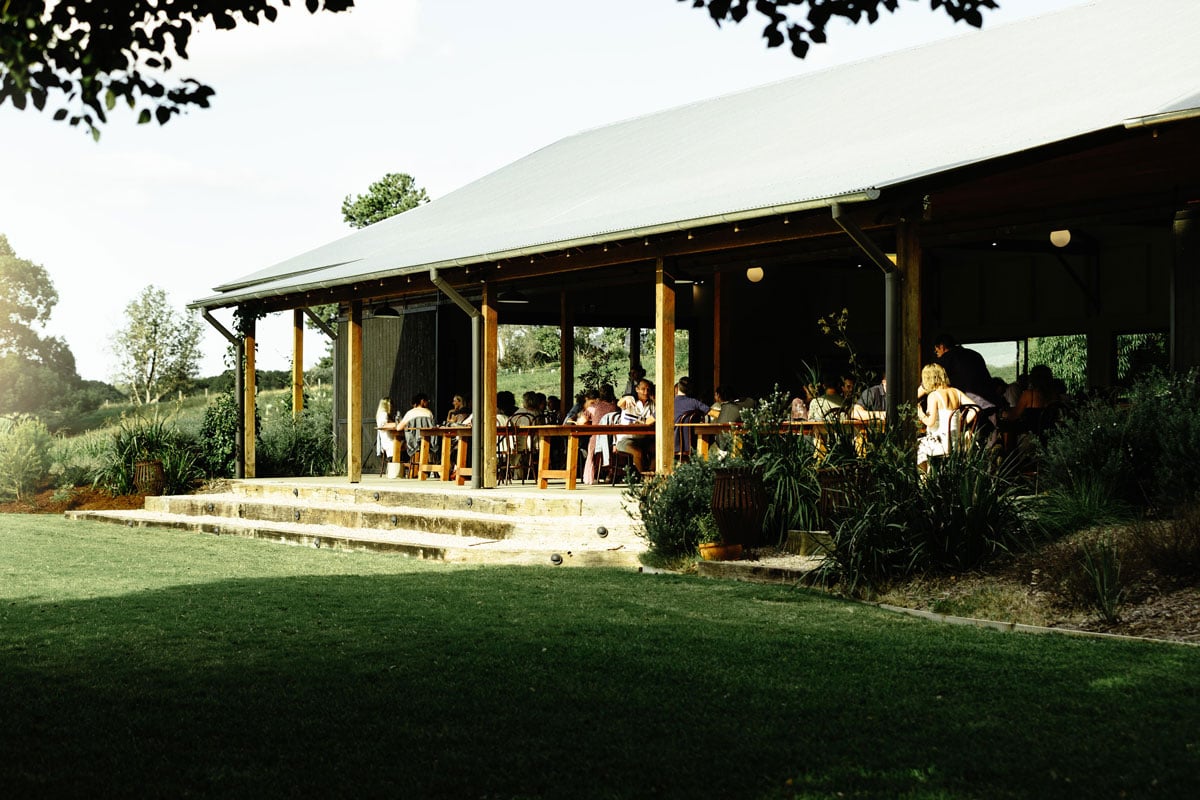
Supported businesses
The businesses in the Byron Bay Business Collective are (as at the time of application):
- Main St Burger Bar.
- The Great Northern Hotel.
- Byron Community Centre/The Byron Theatre.
- Bangalow Theatre Company.
- Beach Hotel Byron Bay.
- Frida’s Field.
- No Bones.
- Loft Byron Bay.
- Common People Brewing.
Is there budget for improved lighting, transport and safety?
The government spokesperson said, ‘This grant funding can be used to support project coordination, marketing and promotion, and coordinated local events or activations, including artist fees, production fees and private transport initiatives to support better access to and from these events and activations.’
How does the Regional Night-Time Economy Program differ from a SEP?
The government says, ‘The Regional Night-time Economy Program is a capacity-building and funding program supporting business collectives in regional towns, including Byron, to work together on local projects that help businesses grow.’
The stated objectives of the program are to:
- increase capacity and confidence of regional business collectives to identify and leverage existing local economic and cultural opportunities
- strengthen coordination between local businesses to deliver collective initiatives with a shared vision and strategy
- increase the number of collective initiatives in regional NSW that promote and support more vibrant town centres and precincts.
‘Unlike a Special Entertainment Precinct, this funding will not change existing planning rules or sound regulations. Rather, it gives access to business bootcamps, marketing and promotion for local small business offerings and support for ongoing community events like markets, music festivals and sporting events.
‘Regional businesses and communities across NSW are welcoming these grants as the boost they’ve been waiting for, to support their offerings from day to night.’
The NSW government says it respects Byron Shire Council’s decision not to pursue a Special Entertainment Precinct, while noting that:
‘The SEP model for supporting vibrancy and cutting red tape for hospitality businesses is being rapidly adopted in other parts of the state, with eight Special Entertainment Precinct trials being established in the last year and 14 other councils actively working to introduce them.’
 For four decades The Echo has printed the stories some people loved, some people hated, and some pretended not to read. If you want us to keep telling the truth, the real truth, not the sugar-coated version. We’ll need your support to keep the presses rolling.


