



At the time of publication, the final numbers from South Australia’s state election aren’t yet finalised, which hasn’t stopped various people from claiming they’ve made history, and making sweeping predictions for the political future of the nation.
Labor received over 38 per cent of first preferences, comfortably winning many more than the 24 seats required to form government, with Pauline Hanson’s One Nation achieving 22 per cent of first preferences, their best result outside Queensland. With One Nation’s supporters spread across the state, they have won at least one lower house seat, possibly as many as four, and are poised to take three or more seats in the Legislative Council.
Fighting over the scraps are the Liberals, still technically the opposition, with around 19 percent (and maybe four seats in the House of Assembly), followed by the Greens with a bit over 10 per cent, and not much to show for it, and then everyone else.
The incumbent premier, Peter Malinauskas, the descendant of Lithuanian, Hungarian and Irish immigrants, has publicly wished Pauline Hanson safe travels back to Queensland, while she’s assured him she’s leaving him some landmines to deal with, presumably in the form of Cory Bernardi (the bloke who once said same sex marriage laws would lead to bestiality), and whoever else scrapes across the line in orange.
What does it mean?
After all the hysteria from the hard right traditional and social media, Labor’s gone back slightly, the Greens have failed to capture much new support, and a sizeable chunk of people who used to vote Liberal have switched to One Nation. With the Nationals not really a thing in South Australia, these voters appear to have decided they had no other option but to protest at the state of things via Pauline.

Her obscenely wealthy backers have succeeded in moving the Overton window a bit further right, a popular premier has been returned for another term, and One Nation’s coffers are overflowing with public money as a result of all those extra votes.
The new PHON representatives will be subject to unaccustomed scrutiny from the public, and the ongoing challenge of being cohesive and disciplined members of what is a famously dysfunctional party.
Pauline’s candidate for the seat of Adelaide was dumped on the eve of this election for failing to appear in a UK court on sexual assault charges, the ABC was refused permission to cover One Nation’s election event for reporting on that fact, and there have been numerous other alleged improprieties, ranging from doctored how-to-vote cards to undeclared contributions.
The Liberals preferenced One Nation, but One Nation didn’t extend the same courtesy to them.
If past experience in Queensland is anything to go by, electoral success will be a much bigger challenge for One Nation going forward than the disruption required to get there. As Pauline’s mate Donald has discovered, demonising immigrants and other minorities can only carry you so far.
A victory for conservatism, whatever that means these days
It’s worth remembering that Peter Malinauskas is not really a progressive, in the traditional sense. He loves fossil fuels and nuclear energy, destroyed the Adelaide Writers Festival by banning a Palestinian author, and has described himself as socially conservative.
He claims education and health care as his key issues, but admits he failed to deal with the ambulance ramping crisis, a key issue in South Australia. Malinauskas also appears to have mismanaged the toxic algae crisis engulfing many beaches in the state, driven by warming oceans. In the end though, voters decided by a clear margin to give him another go.
The forthcoming election in Victoria may be a different story, with an unpopular premier and an equally hapless Liberal party in PHON’s sights. For a woman who only turns up to work about half the time, and votes almost invariably with the party she’s now trying to destroy, Pauline Hanson is doing much better at this point in history than anyone who saw her maiden speech in 1996 might have imagined.
If progressives can’t acknowledge the pain of struggling Australians, cut through the voices of billionaires, culture warriors and lobbyists, and offer some kind of meaningful response, then false prophets like Pauline Hanson, Nigel Farage and Donald Trump will continue to hold out a faithless hand to working people everywhere.
Time for some capital gains tax reform, Albo?
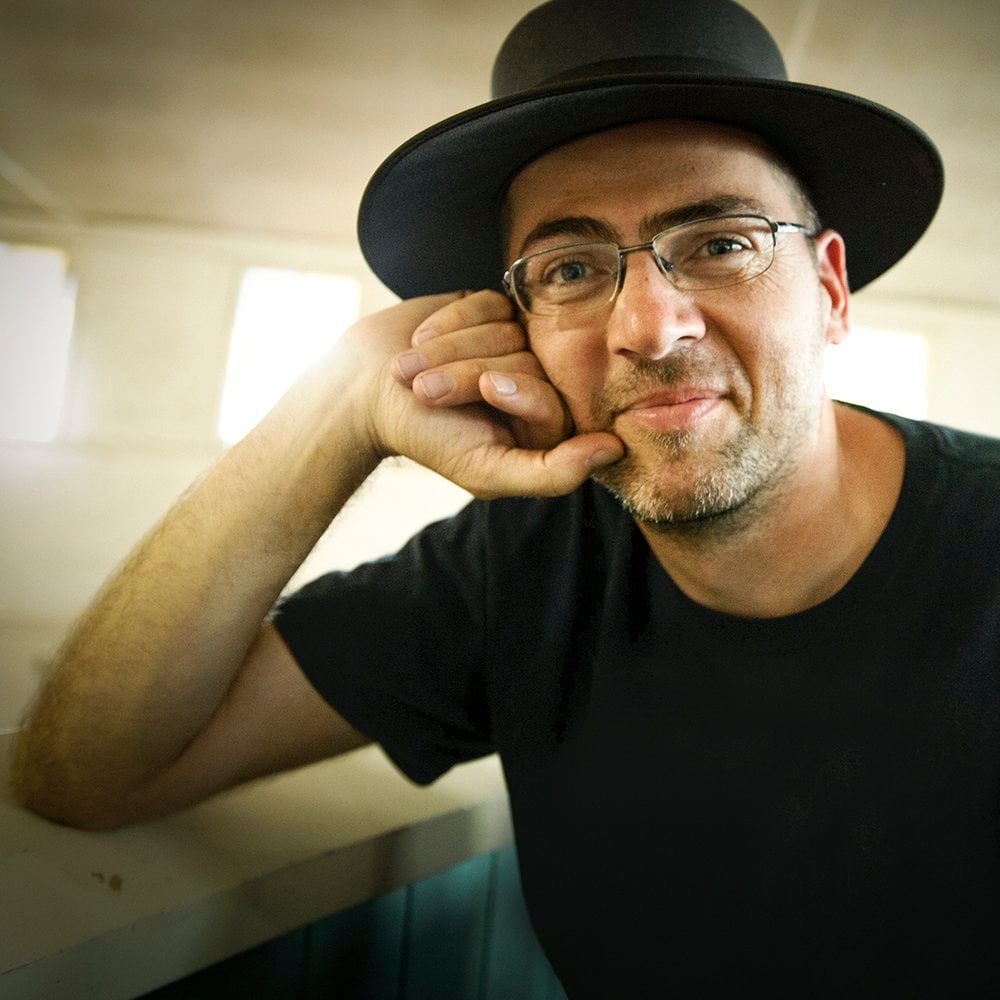
Originally from Canberra, David Lowe is an award-winning filmmaker, writer and photographer with particular interests in the environment and politics. He’s known for his campaigning work with Cloudcatcher Media.
 For four decades The Echo has printed the stories some people loved, some people hated, and some pretended not to read. If you want us to keep telling the truth, the real truth, not the sugar-coated version. We’ll need your support to keep the presses rolling.


