


Byron Shire Council could lose more than half its annual Financial Assistance Grant funding under proposed changes to NSW’s allocation formula, according to a joint statement issued by five councils.

Byron, Tweed, Lismore, Kyogle and MidCoast councils called on the NSW government to pause the proposed reforms, warning of significant consequences for services and infrastructure.
Byron estimates the proposed model would reduce its annual allocation by $2.4 million, or 51.48 per cent, from 2027–28.
Together, the five councils estimate annual funding losses of approximately $18.9 million, including $6.53 million for Tweed and $4.25 million for Lismore.
Financial Assistance Grants are Commonwealth funds distributed through the states to support local services and infrastructure.
The councils argue the methodology proposed by the NSW Local Government Grants Commission does not adequately recognise disaster recovery pressures, tourism, road usage and the differing costs of delivering regional services.
They particularly oppose counting disaster recovery operating grants towards councils’ revenue capacity, arguing that money tied to repairing damaged assets cannot fund ordinary operations.
In yesterday’s joint statement, Byron Mayor Sarah Ndiaye said resident population figures did not reflect the demands visitors placed on local infrastructure.
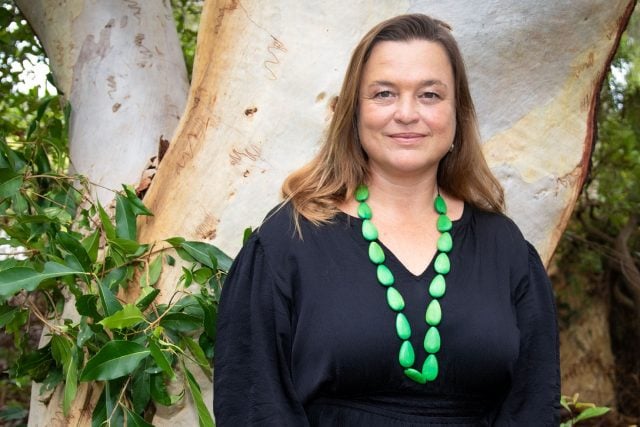
‘Most of our visitors arrive by road, creating additional demands on local and regional road networks that are not reflected in resident population figures,’ Cr Ndiaye said.
She said Byron was still recovering from the 2022 floods while servicing a visitor population far greater than its resident population.
The Commission says its review aims to simplify calculations, improve data reliability and distribute funding more equitably according to councils’ relative financial needs.
Its consultation presentation includes an alternative adjustment excluding specified storm and flood operating grants from revenue calculations.
The model has not been finalised, with submissions due on October 9.
The councils warn that reduced allocations could force service cuts or additional revenue measures, including special rate variations.
 For four decades The Echo has printed the stories some people loved, some people hated, and some pretended not to read. If you want us to keep telling the truth, the real truth, not the sugar-coated version. We’ll need your support to keep the presses rolling.


