

23.8 C
Byron Shire
November 19, 2026

New approach to dingo management needed

Latest News

Big Tech resisters, refuseniks and the Nerd Reich

Sitting across the dining table in his Murwillumbah home, I asked Roger, a 40-something ex-teacher with an impressive goatee, about his relationship with mobile phones and digital technology.

Other News

Fresh greens to kitchen creations

If you’re looking to add more fresh greens, interesting flavours and variety to your meals, Vijay’s market stall is well worth a visit. With crisp lettuce, seasonal herbs, unusual leafy greens and a delicious range of homemade condiments, there’s plenty to inspire your next meal.

The fastest climate solution has two wheels and no tailpipe

As the climate negotiations start in earnest at COP31, major Australian cities are backing a global citizens initiative calling for targets for cycling to be included in Nationally Determined Contributions (NDCs).

Big Tech resisters, refuseniks and the Nerd Reich

Sitting across the dining table in his Murwillumbah home, I asked Roger, a 40-something ex-teacher with an impressive goatee, about his relationship with mobile phones and digital technology.

Byron Bay’s Leihani Zoric wins at World Surfing Games

On the final day of the 2026 International Surfing Association's World Surfing Games in Punta Rocas, Peru, Leihani Zoric has become the youngest woman to win the ISA Open Women's World Games title.

New approach to dingo management needed

The final report of the NSW Parliamentary Inquiry into dingo management in national parks has been released, delivering significant findings and recommendations that provide a strong foundation for a new approach to dingo conservation and coexistence across the state.

NSW expands support for wildlife rescue, rehabilitation and emergency response

Wildlife rehabilitators across NSW can now access a suite of new funding to help cover the costs of rescuing and caring for sick, injured and orphaned native animals.

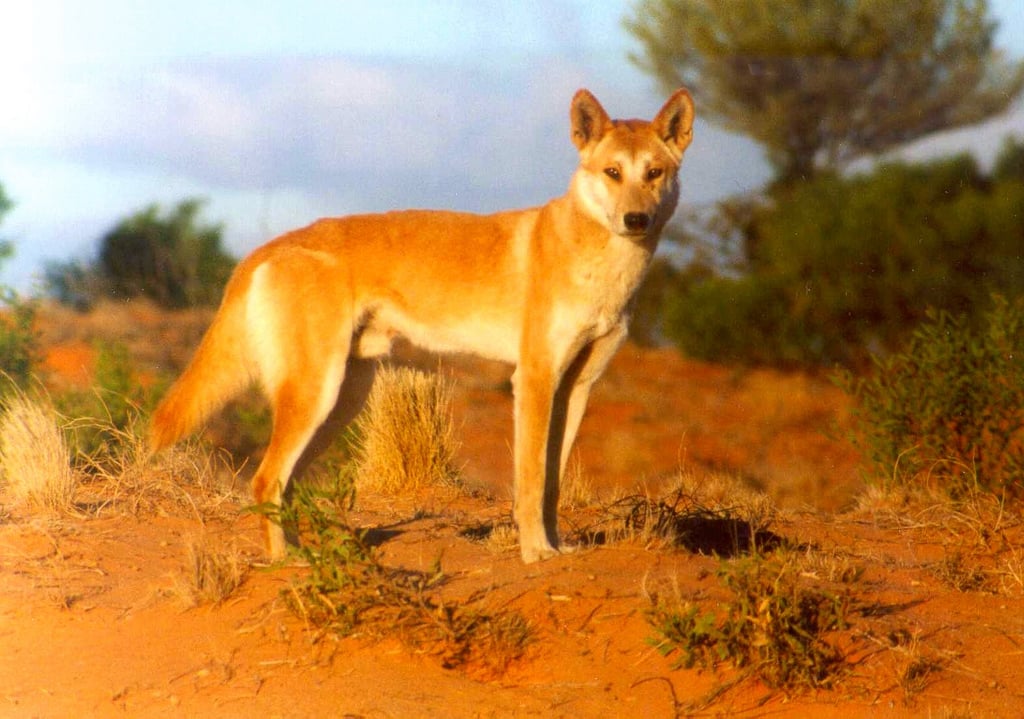
A dingo in the wild. Photo huntersaurus/flickr.com

The final report of the NSW Parliamentary Inquiry into dingo management in national parks has been released, delivering significant findings and recommendations that provide a strong foundation for a new approach to dingo conservation and coexistence across the state.

Defend the Wild and Dingo Culture say they welcome the committee’s recognition of dingoes as native Australian animals, their ecological importance and deep cultural significance to First Nations communities. Importantly, the report also acknowledges that killing dingoes causes cultural harm to First Nations people.

Among its 19 recommendations, the committee has called for Indigenous-led dingo monitoring, genuine engagement with Traditional Owners before control measures are undertaken, and consideration of a First Nations-led framework for Caring for Dingoes on Country.

The report also recommends piloting the suspension of lethal control in selected national parks, alongside trials of non-lethal livestock protection methods on neighbouring properties. These include livestock guardian animals and improved husbandry practices, with government support, education and resources for participating landholders.

It also underscores the need for a pathway back to the wild for rescued orphaned dingo puppies.

Significant step

Alix Livingstone, Founding Director of Defend the Wild, said ‘This report represents a significant step forward for dingoes in NSW. We are particularly pleased to see the committee recognise the need to move towards non-lethal management, support landholders with practical coexistence strategies and investigate suspending lethal control in selected national parks.

‘This is about investing in practical solutions and working alongside landholders to support livestock protection while maintaining healthy dingo populations in our national parks.’

Sonya Grant, National First Nations Dingo Coordinator and Director of Dingo Culture, said
‘To see the committee recognise that killing dingoes causes cultural harm, and recommend genuine First Nations leadership and involvement in dingo management, is incredibly important.

‘But recognition must lead to action. Cultural Custodians need to be involved in decisions on their Country, and we need to see the NSW government invest in First Nations-led monitoring, management and Caring for Dingoes on Country.’

Caring for dingoes

Yugambeh Mununjali and Minjungbal Elder, Uncle Lionel Currie, said ‘To see the committee recognise the deep cultural significance of dingoes to First Nations people, and acknowledge the cultural harm caused when they are killed, is a very important step forward.

‘Our people have cared for dingoes on Country for thousands of years. I welcome the recommendations that create opportunities for greater First Nations involvement in dingo monitoring and management. We hope this is the beginning of a new approach that respects our cultural responsibilities and ensures dingoes have a future on Country.’

While the report represents an important step forward, Defend the Wild and Dingo Culture say they would have liked to see further recommendations, including removing the misleading and derogatory ‘wild dog’ terminology from NSW laws and policies, ending the exclusion of dingoes from protections under the Biodiversity Conservation Act 2016, and phasing out the use of 1080 baits targeting dingoes across NSW national parks.

Alix Livingstone said ‘Recognition of dingoes as Australian animals must ultimately be reflected in the laws that govern their treatment and protection. We need a clear distinction between dingoes and domestic dogs if we are serious about protecting their ecological and cultural significance for future generations.’

The inquiry follows years of work by Cultural Custodians, conservationists, researchers and community members. In 2024, Minyumai Rangers of the Bandjalang Clan, supported by Defend the Wild and Dingo Culture, brought the National First Nations Dingo Declaration to NSW Parliament and called for a parliamentary inquiry into dingo management.

Defend the Wild and Dingo Culture are now calling on the NSW government to act on the committee’s recommendations and commit to meaningful changes that protect dingoes and support coexistence across the state’s national parks.

The complete report can be found here.



For four decades The Echo has printed the stories some people loved, some people hated, and some pretended not to read. If you want us to keep telling the truth, the real truth, not the sugar-coated version. We’ll need your support to keep the presses rolling.


If you are a local business owner help us and in turn we help you. All The Echo asks for is advertising, not a free ride. It is every advert in The Echo and on www.echo.net.au, which creates the space for all the stories and coverage of community events, happenings and concerns.

If you are a reader you can become a sponsor of The Echo. Your support keeps the us independent.

Even a small one-off or regular donation from you will help keep the echo’s independent voice alive and strong.

Support Us

Become one of the supporters who helps keep independent, local journalism alive in the Byron Shire by contributing anything from as little as the cost of a coffee each month.

You're Wonderful, Thank you for supporting independent journalism in the Byron Shire

You’re supporting The Echo, thank you

Your contribution is keeping independent, local journalism alive in the Northern Rivers.

Because of supporters like you, we can keep every story free for everyone — no paywall, no exceptions. Your money goes directly to funding our newsroom of 40-odd local workers covering the stories that matter to this community.

Tell us what you think, give us your opinion

The Echo loves your letters and comments and is proud to provide a community forum on the issues that matter most to our readers and the people of the NSW north coast. So don’t be a passive reader, email us your epistles at editor@echo.net.au.

The letters deadline for The Echo is noon Friday. Letters longer than 200 words may be cut. The publication of letters is at the discretion of the letters editor. Please remember to include your full name, address and telephone number.

Online comments are no longer available.

Approval recommended for 670-patron venue at 2 Jonson Street, Byron Bay

The 58 objections to the 2 Jonson Street DA appeared to hold little to no sway with the Byron Shire Council planning department who have recommended approval for the controversial development that is directly behind the Byron Bay swimming pool and adjacent to the Beach Hotel.

New approach to dingo management needed

The final report of the NSW Parliamentary Inquiry into dingo management in national parks has been released, delivering significant findings and recommendations that provide a strong foundation for a new approach to dingo conservation and coexistence across the state.

Mullum Moth annual short story comp is back

Last year, Creative Mullum teamed up with The Echo to revive the paper’s beloved annual storytelling contest. This year, welcome back to The Mullum Moth – our community writing competition that invites wordsmiths of all ages to unleash their imagination.

2.5 million reasons not to vandalise trees

The NSW government is arming councils with tougher powers and penalties to crack down on illegal tree clearing in urban areas under new laws that just passed parliament.