


From fencing off creeks to experimenting with cover crops, Tweed farmers are being offered up to $4,000 to try ideas that are good for both their farms and the environment.
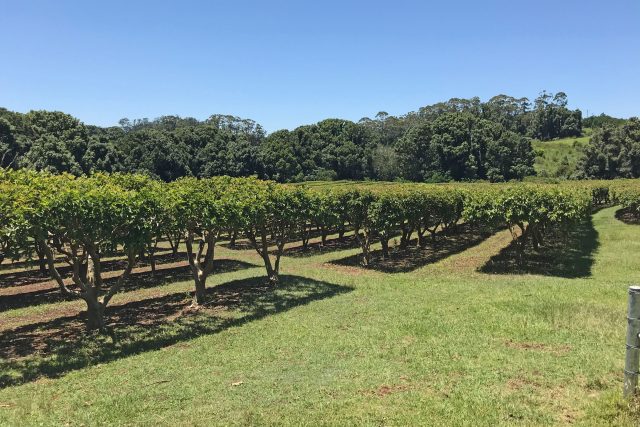
Applications are open for Tweed Shire Council’s Sustainable Agriculture Small Grants Program, which supports projects aimed at improving farm productivity and resilience while delivering benefits for soil, waterways and biodiversity.
Now in its eighth year, the program has handed out 49 grants worth around $160,000 since 2018, supporting projects including erosion control, riparian restoration, native revegetation, water management and soil improvements.
Council’s Acting Program Leader for Sustainable Agriculture, Aiden Sloman, said the relatively small grants gave farmers a chance to experiment without carrying all the financial risk.
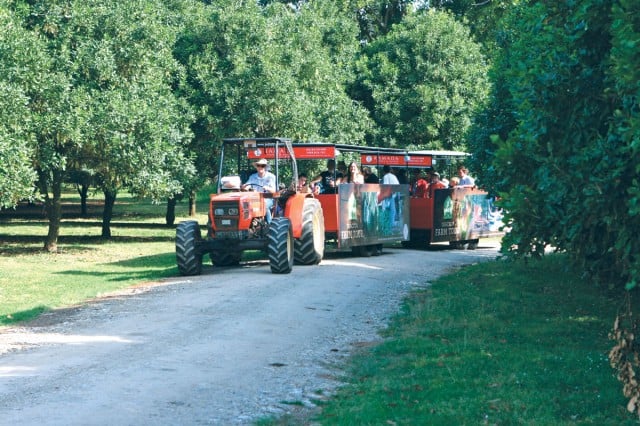
‘The most successful projects we’ve helped fund started as simple ideas and evolved into lasting improvements for both farm businesses and the surrounding environment,’ Mr Sloman said.
At Pumpenbil, previous grant recipient John used the program to fence gullies and waterways, creating wildlife corridors while improving pasture management.
He said keeping cattle out of waterways and providing clean drinking water through troughs had improved both animal health and pasture condition.
Another recipient, Robert from Stotts Island, trialled a multi-species cover crop on his sugar cane farm, producing about 45 tonnes of dry matter and substantially more nitrogen than a comparison soybean crop.
To qualify, applicants must be primary producers or actively farming land within the Tweed Shire, with proposed projects required to demonstrate clear environmental benefits.
Applications for first-round consideration close on August 30, although later applications may still be considered if funding remains available.
Council is encouraging farmers with an idea to contact its Sustainable Agriculture team before applying.
 For four decades The Echo has printed the stories some people loved, some people hated, and some pretended not to read. If you want us to keep telling the truth, the real truth, not the sugar-coated version. We’ll need your support to keep the presses rolling.