


After five bruising years of COVID, floods and global economic headwinds, Byron Council has unveiled a suite of plans aimed at getting more local dollars circulating through the Shire and reshaping its relationship with tourism and events.
Three draft action plans covering Business and Industry, Destination Management and the Visitor Economy, and Events are now on public exhibition, putting some practical flesh on Council’s ten-year Economic Strategy.

The plans were developed with Council’s new Economic Activation Group and include measures to strengthen local supply chains and encourage residents and businesses to buy locally, support micro-businesses, tackle workforce and skills shortages and attract investment considered compatible with the Shire’s character.
Tourism remains a major part of the equation, but Council wants to spread visitors and their spending more widely across the Shire, while developing better measures of both the economic benefits and costs they bring.
Events would similarly be encouraged across different towns and quieter periods of the year, with greater support for homegrown events, Aboriginal cultural events and activation of underused spaces.
The plans come against a difficult economic backdrop.
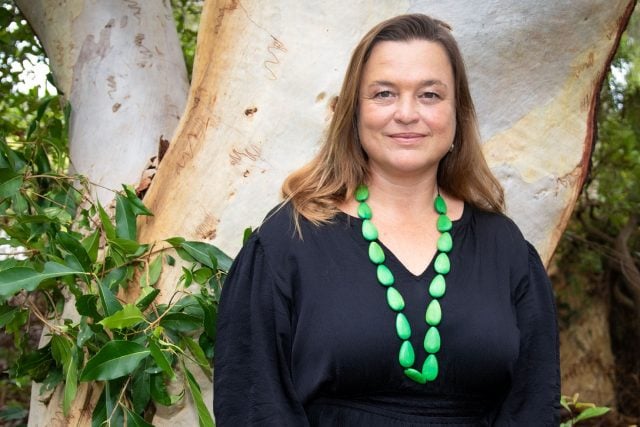
‘The last five years have had an incredible impact on our local economy in ways that no one could have imagined,’ Mayor Sarah Ndiaye said last year as Council was developing its new economic strategy.
‘We recognise that we need to not only reflect on the impacts of COVID, floods and economic factors on our businesses and our community, but we need to set the direction for what we want our economy to look like in the future.’
The Shire’s tourism industry is still rebuilding from COVID and the floods, while cost-of-living pressures and the broader economic downturn have continued to bite.
And it seems the pain is far from over. In June, the owners of two longstanding family businesses in Byron Bay said sales were down 45 to 50 per cent compared with the same period last year, although CBD drainage works were also blamed for the dramatic fall.
The economic challenge is also tied closely to housing. Council’s own research has warned that unaffordable housing and low vacancy rates can restrict business growth by making it difficult to find workers, while the Shire continues to rely heavily on employees commuting from surrounding areas.
Against that backdrop, Council says the new plans are intended to build an economy that isn’t simply bigger, but more resilient and locally focused.
‘This strategy is about shaping the kind of economy we want for the future,’ Cr Ndiaye said when the overarching strategy was adopted.
‘One that is creative, sustainable and grounded in the wellbeing of our community and environment.’
The three plans follow a lengthy rethink of Council’s economic policy. Earlier Business, Industry and Visitor Economy and Events strategies were exhibited in 2024 before Council changed tack following community feedback and adopted a single overarching Economic Strategy supported by separate, more flexible action plans.
The draft plans are now open for public feedback until September 6.
 For four decades The Echo has printed the stories some people loved, some people hated, and some pretended not to read. If you want us to keep telling the truth, the real truth, not the sugar-coated version. We’ll need your support to keep the presses rolling.



