


John Cole
Queensland election campaigns often focus on big projects for the regions, such as for roads, power plants and mines. But research suggests that mega projects, such as in gas and coal, have not transformed skills or improved employment prospects in regional Queensland.
Take away the temporary booms from construction and other short-term jobs, and employment growth overall is no better than before the global financial crisis. Certainly Queensland’s regions are no more resilient. Instead of these mega projects, what’s needed are new sources of economic value in knowledge, services, and technology.
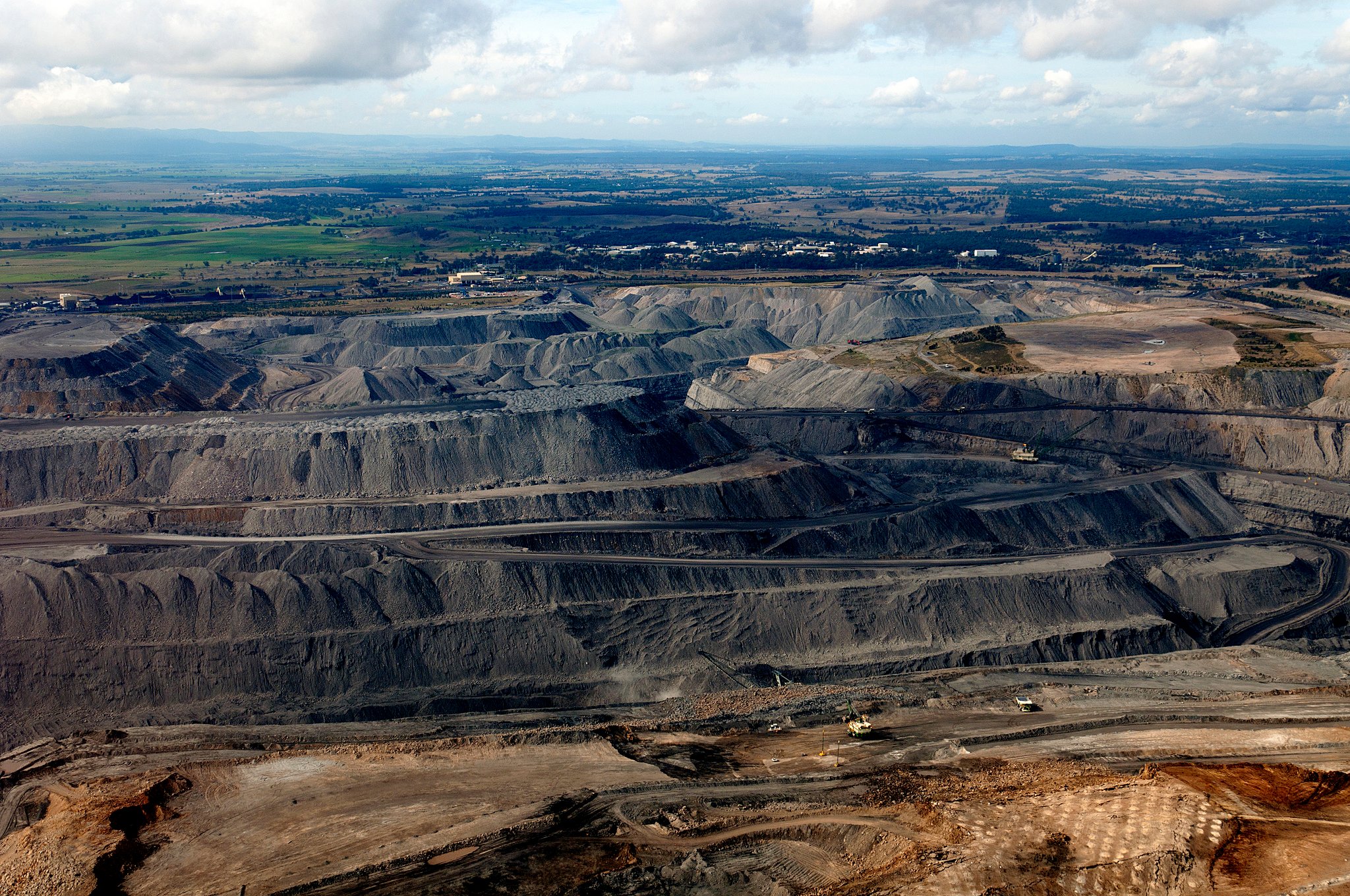
Between 2010 and 2013 investment in coal mining surged 400 per cent in the Bowen Basin. Further south, in the Surat Basin and at Gladstone, four international consortia spent more than A$70 billion fast-tracking a coal seam and liquid natural gas industry.
These projects fell far short of generating new skills and enduring businesses in the regions. Continuing dependence on resources and agriculture also creates its own vulnerabilities, as both are challenged by market and investment volatility, and increased climate risk.
Overall the focus on mega projects has weakened social and economic resilience in communities across Queensland. Resilience refers to the capacity of regional communities to handle risks and manage change. Resilient regions deepen and diversify their economies.
Megaproject sugar highs
Annual construction spending in the resources sector peaked at A$36.6 billion in Queensland in 2013-14, and has dropped by 70 per cent since. Unemployment has doubled in Queensland’s northern, central and outback regions.
The impact is seen in Townsville, Rockhampton, and Gladstone, who are now pitching to become bases for “Fly In Fly Out” workers. Rather than drive their own local economic development, these cities are punting on the next big mining project.
Gladstone is already the pin-up of the construction boom-bust development model. The port city boasts a highly trained workforce in alumina and aluminium processing, cement, liquid natural gas and chemical manufacturing. Still, it waits on the next big mining construction boom.
What regional Queensland really needs is politicians to abandon short-term economic fixes, in favour of a sustainable long term vision. Policies would have greater impact if they focused on skills and enterprise training. Stronger regional collaboration to broker opportunities for smart businesses is essential.
Just north of Brisbane, Moreton Regional Council is showing the way by transforming a former industrial site into a university campus. Tertiary education will come to the fast growing region along with a research and technology park, creating the jobs of the future.
Regional Queensland can also learn from the European Commission’s “smart specialisation” structural assistance programs that help regions build knowledge-based competitive industries through strategic public funding and support for research and development etc.
By 2020, smart specialisation in Europe is expected to deliver 15,000 new products to market, 140,000 new startups and 350,000 new jobs.
Integral to the European strategy is strong collaboration between the research and university sectors, and regional industries. Strong cooperation between levels of government is key to the success. The industries are as varied as cheese manufacturing in Spain, new transport systems in Finland, and materials manufacturing in France.
The Europeans have found that changing business culture and boosting entrepreneurship are just as important to creating opportunity as large infrastructure projects.
What Queensland should do
Queensland should rethink its big projects for a big country approach. Regional jobs that depend on project investment without generating local income are not sustainable. Small business and community must be restored to centre stage in development strategy.
Small and medium businesses collectively account for more than 99 per cent of all business in Queensland, and three times as many people work in the state’s A$20 billion manufacturing sector (169,000) as work directly in the resources sector (48,000).
But small and medium businesses lack the profile of the “big end of town”, and the large resources companies have been effective at selling the narrative that they are central to the A$300 billion Queensland economy.
The priority for developing Queensland’s regions should be investment that generates small business growth, local income, new skills and communities. Particular emphasis has to be given to attracting and retaining talented people.
The state government can best help regional Queensland by heeding the Productivity Commission’s call to help regional Australia adapt and exploit the opportunities of ever present change. This requires greater local initiative, making the most of competitive strengths, and training people to better engage with the world.
The global services sector is a $US47 trillion industry. For regional Queensland to tap into this sector will require skills in fields as diverse as big data, biotechnology, genetics, robotics, communications, and digital manufacturing.
A good start has been made in the Advance Queensland Regional Innovation Programswhich have challenged regions to think outside the box, collaborate, and come up with their own strategies. It complements the federal government’s Building Better Regions Fund.
This approach challenges the current politically dominated top down model of regional development. It’s a vision for regional Queensland that extends beyond resources, agriculture, tourism and construction to the people themselves.
John Cole is executive director of the Institute for Resilient Regions at the University of Southern Queensland.
This article was first published in The Conversation.
 For four decades The Echo has printed the stories some people loved, some people hated, and some pretended not to read. If you want us to keep telling the truth, the real truth, not the sugar-coated version. We’ll need your support to keep the presses rolling.


