


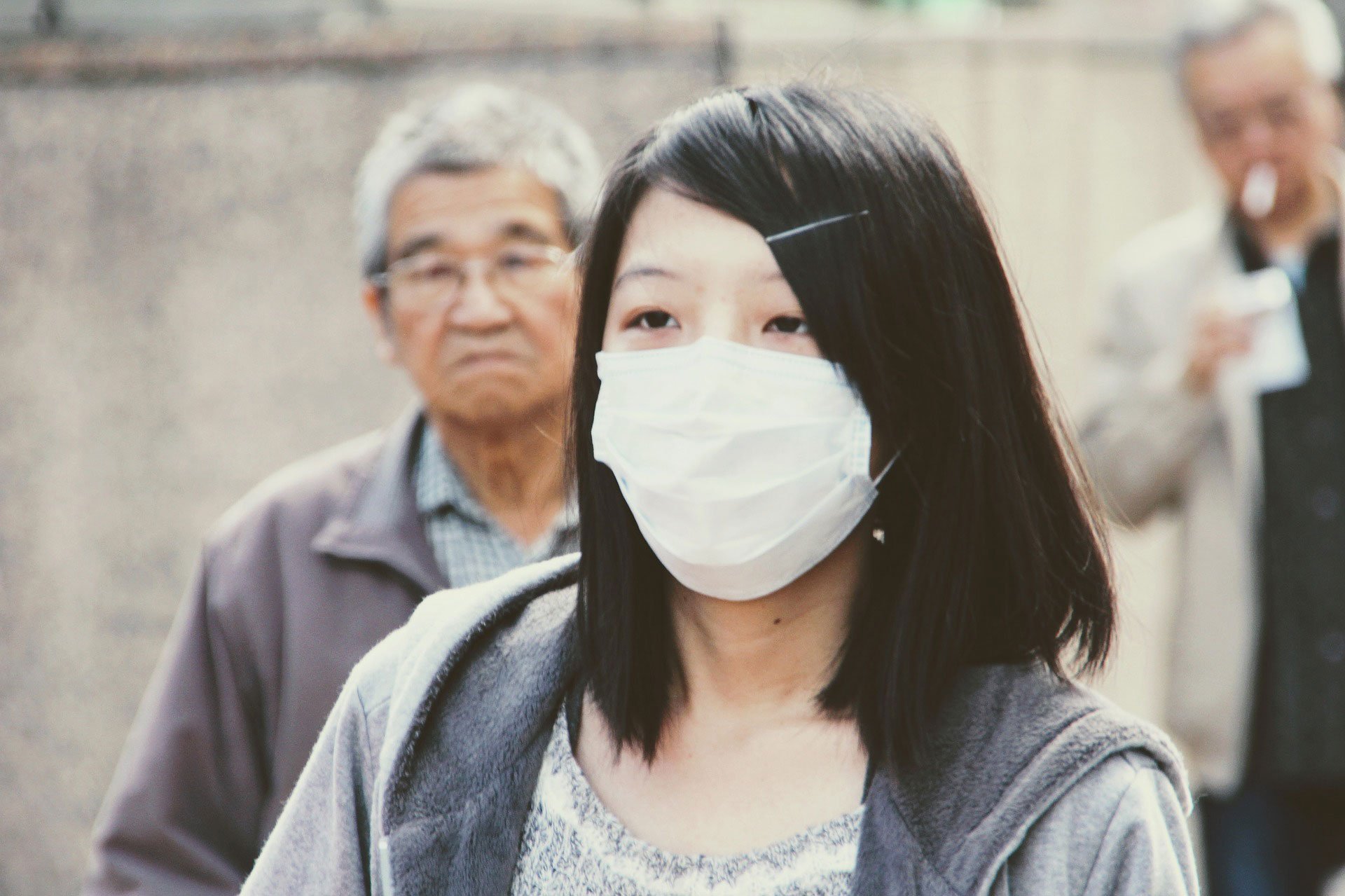
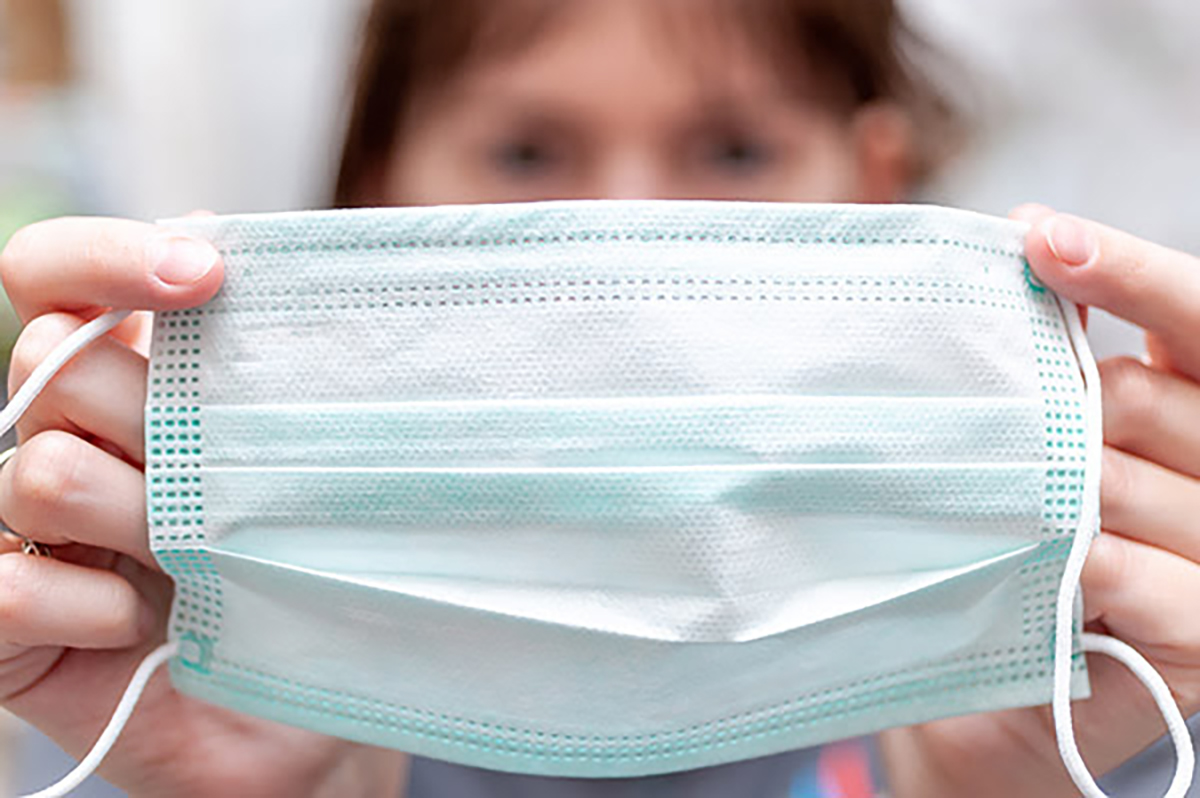
It is becoming increasingly common to see people in the streets and in supermarkets wearing face masks. What was once thought to be overkill is now the norm and the question of their effectiveness has become a subject for discussion.
Local GP, Dr Ian Kingston from Mullumbimby says they are effective and he forwarded Echo Publications an extract from a recent story in Medscape Family Medicine.
‘It is widely agreed that face masks are an effective barrier against COVID-19, as its primary mode of transmission is through respiratory droplets. Contrary to common belief however, respiratory droplets are released not only when sneezing or coughing, but also when talking.
‘To be clear, mask use is one of the most effective physical interventions to prevent the spread of respiratory viruses.’
Dr Kingston says an extract from another text, this time from Adrien Burch, Microbiologist at UC Berkeley, pointed to a Cochrane Review that a systemic analysis of published studies on a given topic… ‘which found strong evidence during the 2003 SARS epidemic in support of wearing masks.
‘One study of community transmission in Beijing found that “consistently wearing a mask in public was associated with a 70% reduction in the risk of catching SARS. SARS, like COVID-19, is a respiratory illness caused by the same family of viruses called coronavirus”.’
Dr Kingston says images on TV have shown the countries with the lowest COVID-19 infection rates are those where mask-wearing is widespread eg Singapore, South Korea.
‘Even though the Australian Government advises masks are only for those with symptoms, the evidence says otherwise, especially for reducing community transmission.
‘So, wear a mask if you go to Woolworths etc. They DO provide good protection and reduce community transmission’.
Recent stories, information and updates regarding COVID-19

COVID-19 reduces Australian life expectancy
New data from the Australian Bureau of Statistics Life shows life expectancy in Australia has decreased slightly for the second year in a row.
Wuhan market increasingly likely origin point for COVID-19
An international team of researchers has found more evidence that COVID-19 came from animals in a Wuhan food market.

Editorial – There’s a bat in my lab!
The lab-leak theory that Covid-19 came from the Wuhan Institute of Virology – instead of a nearby wet market – was thrashed about in public recently, with the US Senate Homeland Security Committee holding a hearing into Covid-19.
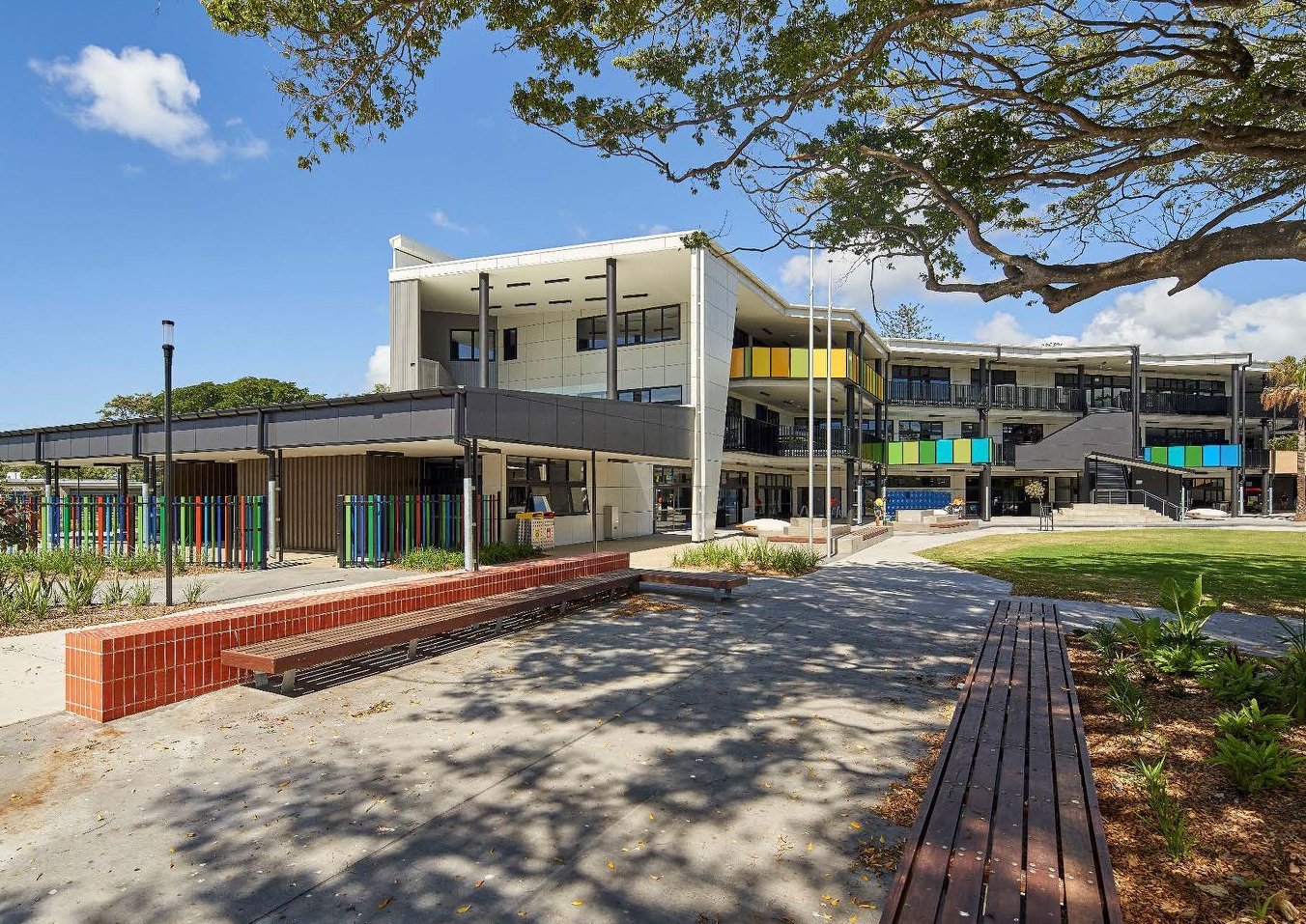
Fresh air federal funds for Northern Rivers schools in need
Eighteen schools in the Northern Rivers division of Richmond have received $25,000 each as part of the federal government’s School Upgrade Fund, Labor Member for Richmond Justine Elliot said last week.

COVID-19 pandemic has cut life expectancy globally
COVID-19 reversed earlier trends toward longer life expectancies. During the pandemic, life expectancies globally dropped by 1.6 years according to a new study published in the Lancet medical journal.
COVID-19 update for New South Wales
Let’s not forget that Covid-19 is still a big issue in our community with 31,935 cases reported across Australia in the last week – an average of 4,562 cases per day.
Five graphs you need to see before the Global Carbon Budget...
The Global Carbon Budget is about to be refreshed, giving the world a critical insight into how efforts to reduce greenhouse gas emissions are (or are not) progressing.
Public transport mask mandate to end
Masks will no longer be mandatory on public transport from tomorrow, Wednesday 21 September.
 For four decades The Echo has printed the stories some people loved, some people hated, and some pretended not to read. If you want us to keep telling the truth, the real truth, not the sugar-coated version. We’ll need your support to keep the presses rolling.


