



The covid pandemic and lockdowns have led to a significant increase in people owning dogs as pets and as everyone knows a dog is only as good as its owner. So when owners have badly behaved animals that they let off the lead, when they don’t pick up those special doggie deposits and generally tell everyone that their dog is ‘just friendly’ and would never… the alarm bells ring.
The reality is that if you let your dog off-leash in areas where there is native wildlife from birds to wallabies they will disturb nesting sites and potentially attack, maim and kill wildlife, regardless of how much you love them.

Myopathy
Wallabies and other marcoppods (being wallabies, pademelons and kangaroos) will often die of myopathy following a dog attack due to the high level of stress.
‘The animal does not have to be injured directly to develop rhabdomyolysis, which is a disintegration of the muscle fibres. From within 24 hours up to a few weeks after the incident, the wallaby will show stiffness and paralysis mainly in the hindquarters, progressing to complete paralysis, it will also salivate excessively, death will occur within 2-14 days after the stressful incident,’ a WIRES spokesperson told The Echo.

Take the Lead
Like neighbouring shires of Kyogle, Byron, Ballina and Lismore, Tweed has high conservation rainforest and beaches that provide homes to vulnerable wildlife. Tweed Shire Council (TSC) have today launched Take the Lead campaign aimed at encouraging dog owners to keep their pets on the lead, particularly in high conservation value areas and other public places in the Tweed.
Following a successful pilot of the program TSC are setting up four on-leash ‘doggy hubs at Kingscliff-Casuarina and Fingal Head beaches tomorrow as part of the campaign,’ said a council spokesperson.

The areas have been selected on the basis that they are known to be home to threatened species including the Bush Stone-curlew, loggerhead and green turtles.
The hubs will be located at:
- Casuarina/Kingscliff
- Fingal Head
- Hastings Point
- Wooyung
Council’s project officer – wildlife protection Emily Clarke said this important program was being rolled out after a successful pilot program.
‘When Council conducted covert observations of dog walkers in these locations last year, we found close to 75 per cent of people were exercising their dogs off-leash,” Ms Clarke said.
‘The pilot program has shown us that a campaign which includes a combination of social media, doggy engagement hubs and increased enforcement activities can help to achieve a measurable change in dog owner behaviour, leading to a reduction in the number of dogs off-leash in high conservation value areas and other public places in the Tweed.
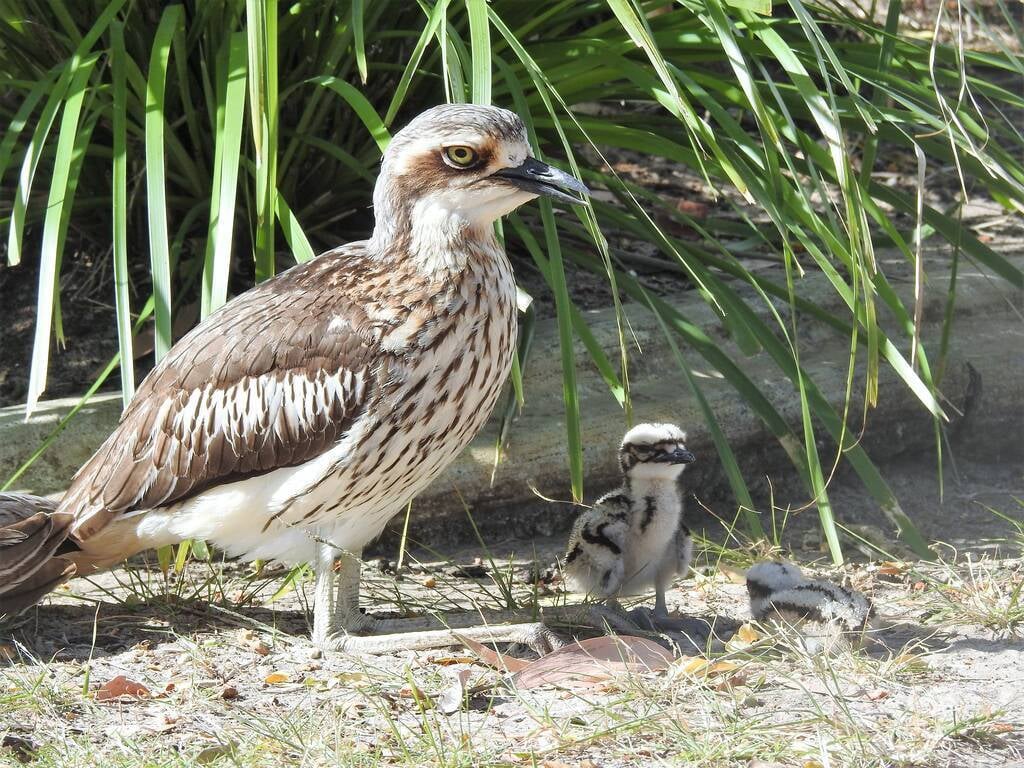
‘This program will help protect our local wildlife but it’s also about making sure the beaches are safe and enjoyable for people and other pets too.
‘It’s important we act as caretakers for our environment to pass on to our next generation – we want to work together with the community to protect our precious wildlife in the Tweed.’
Council officers will be issuing fines throughout the enforcement blitz across Tweed beaches over the next few months and will remind people to keep their dogs leashed in these sensitive areas.
‘Don’t risk a fine which is $330 for walking a dog off-leash unless it’s in a designated off-leash area,’ Ms Clarke said.
New signage has been installed at some beach entrances to prompt residents and visitors to keep their dogs leashed as they walk onto the beach.
‘We’ve created useful “doggy hubs” with signage, dog water bowls and dog poo bags. Each sign also includes a QR code linking to an interactive map to quickly find designated off-leash areas.’
Take the Lead has been developed by Tweed Shire Council with key stakeholders and the community through a collaborative design process. It’s part of Council’s commitment to work together to reduce our impact on the natural environment.
This project has been assisted by the NSW Government through its Environmental Trust.
Find out where you can walk your dog at tweed.nsw.gov.au/where-can-I-
 For four decades The Echo has printed the stories some people loved, some people hated, and some pretended not to read. If you want us to keep telling the truth, the real truth, not the sugar-coated version. We’ll need your support to keep the presses rolling.


