



Both the Greens and Labor are claiming victory over an agreement that will establish a $10b federal social housing fund, which the prime minister says will deliver 30,000 new social and affordable housing properties in the first five years.
The much trumpeted Housing Australia Future Fund (HAFF) will now pass in the federal Senate, after the Greens say they secured another $1b for new homes under the National Housing Infrastructure Facility.
This is on top of the previous $2b commitment made by Labor through negotiations.
Yet the push for a rent freeze/cap was not included, as the Greens had been holding out for.

Local Labor MP Justine Elliot, who had been running an aggressive campaign against challenger Mandy Nolan, tweeted, ‘After six months of blocking, the Greens Party has finally backed down, and agreed to Labor’s future-proofed housing policy. This is a major community victory – thanks to all those who told the Greens to stop blocking housing. Let’s get building!’
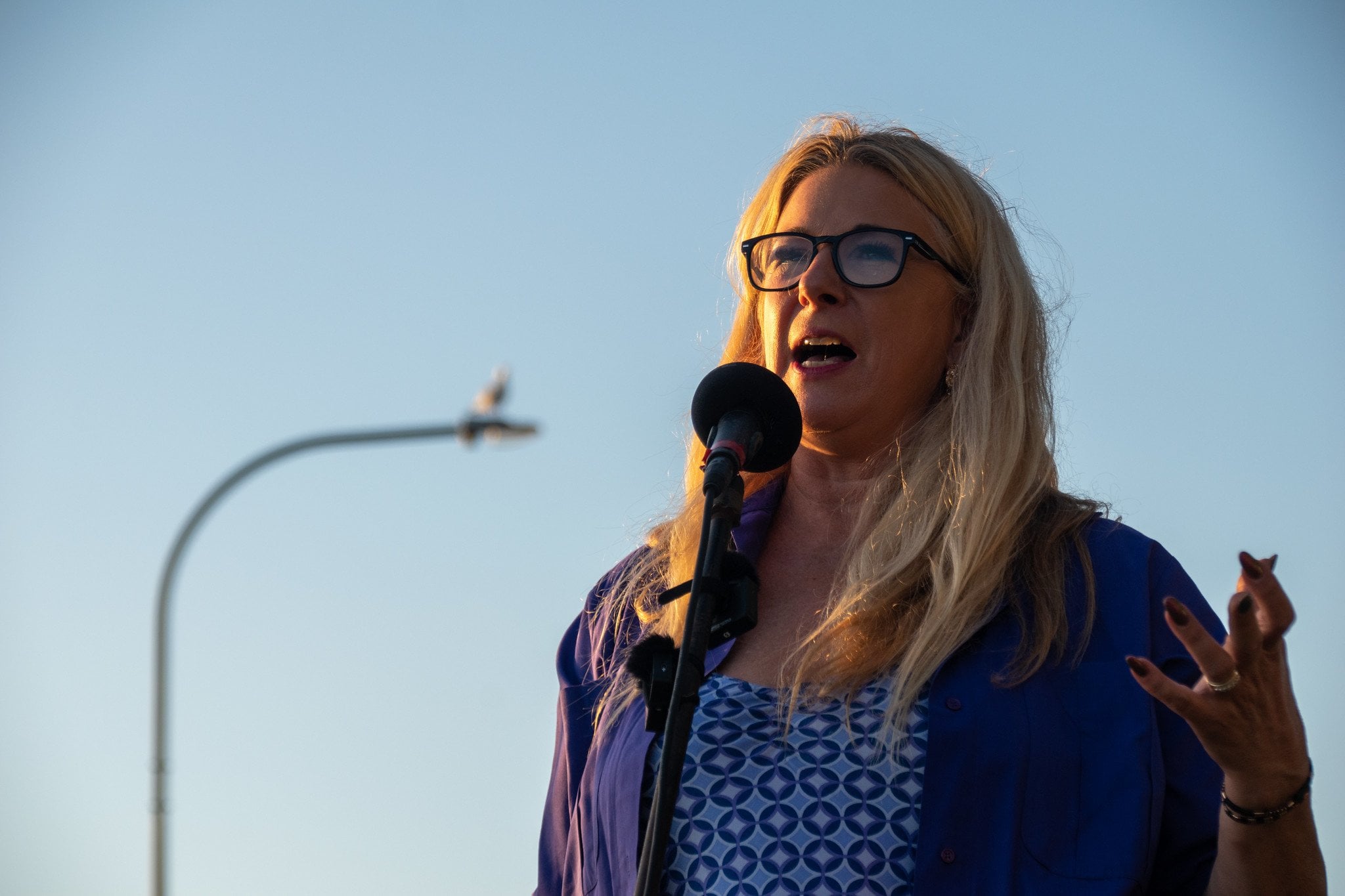
Mandy Nolan said in a statement, ‘Not long ago, Labor claimed there wasn’t a single dollar more available for housing. Today, we see the result of the Greens’ hardline negotiations on the HAFF bill… Pressure works. Because of the Greens, the HAFF will have a minimum spend of $500 million per year. Because of the Greens, $3 billion that otherwise would not have been spent will now go towards helping those facing housing insecurity.
‘Labor’s plan will not entirely solve the housing crisis, but the additional funding secured by the Greens will make a real and immediate difference’.

Equitable distribution?
Meanwhile, The Regional Australia Institute (RAI) is backing a proposal to see regional, rural and remote Australia assured an equitable distribution of the housing fund, and local governments better supported in new development projects.
Independent Member for Indi, Dr Helen Haines, introduced the ‘Unlocking Regional Housing Bill’ private members bill in parliament, which calls for at least 30 per cent of the Housing Australia Future Fund to be directed to rural, regional and remote housing annually, and for the regions to be specifically referenced in the objects of the enabling legislation.
RAI CEO Liz Ritchie said rental availability in many regional towns was at, or below one per cent.
‘Research by the RAI reveals one in five capital city Australians aspire to make the move to the regions and in fact, our recently released Big Movers 2023 report revealed millennials, those aged between 29 and 39, are moving in record numbers’.
Maths questioned
Independent journalist, Michael West (michaelwest.com.au) says the maths doesn’t stack up with the HAFF, ‘and the biggest winners will be people who are looking to purchase a holiday house and the financial services crew [who] manage the money’.
 For four decades The Echo has printed the stories some people loved, some people hated, and some pretended not to read. If you want us to keep telling the truth, the real truth, not the sugar-coated version. We’ll need your support to keep the presses rolling.


