


Simon Haslam
The picturesque Husk Distillery is just an enjoyable 45-minute drive north of Byron, in the Tweed Valley, and is a wonderful place to visit if you like gin – it’s the home of the popular and innovative Ink Gin, and other gins made with local botanicals. Also, if you like rum and would like to try something really worthwhile, it’s also the pioneering home of Australia’s first farm-to-bottle rum, made entirely from sugar cane grown onsite.
Now, some people might believe that they don’t like rum, or that rum is merely the ingredient in the can of rum and coke that makes you a better singer. Rum’s more than that, it’s a very versatile cocktail mixer (and you can sample a variety of terrific cocktails at the distillery) but it can also be sipped by itself. My favourite drink on a hot day is the Caribbean-style Ti’ Punch made with Husk’s Pure Cane rum with ice, lime and sugarcane syrup. If you haven’t already, try Husk’s completely new style of ‘juice rum’, made only from the cane juice itself, rather from molasses (a by-product of the sugar industry). You can actually sip these premium-quality aged Husk rums, like sipping a fine whisky, and experience the unique terroir of the Tweed region in the rum itself.
While this style of ‘agricole’ or ‘juice’ rum is popular in the Caribbean, Husk founder, Paul Messenger, is the first person to attempt this in Australia, working with Head Distiller, Quentin Brival, from cane-growing Martinique. The rums in Australia, and even some of the lesser rums in the Caribbean, are made using various sweeteners and flavours. Hence, if you don’t like rum, you might not have tried a quality product yet.

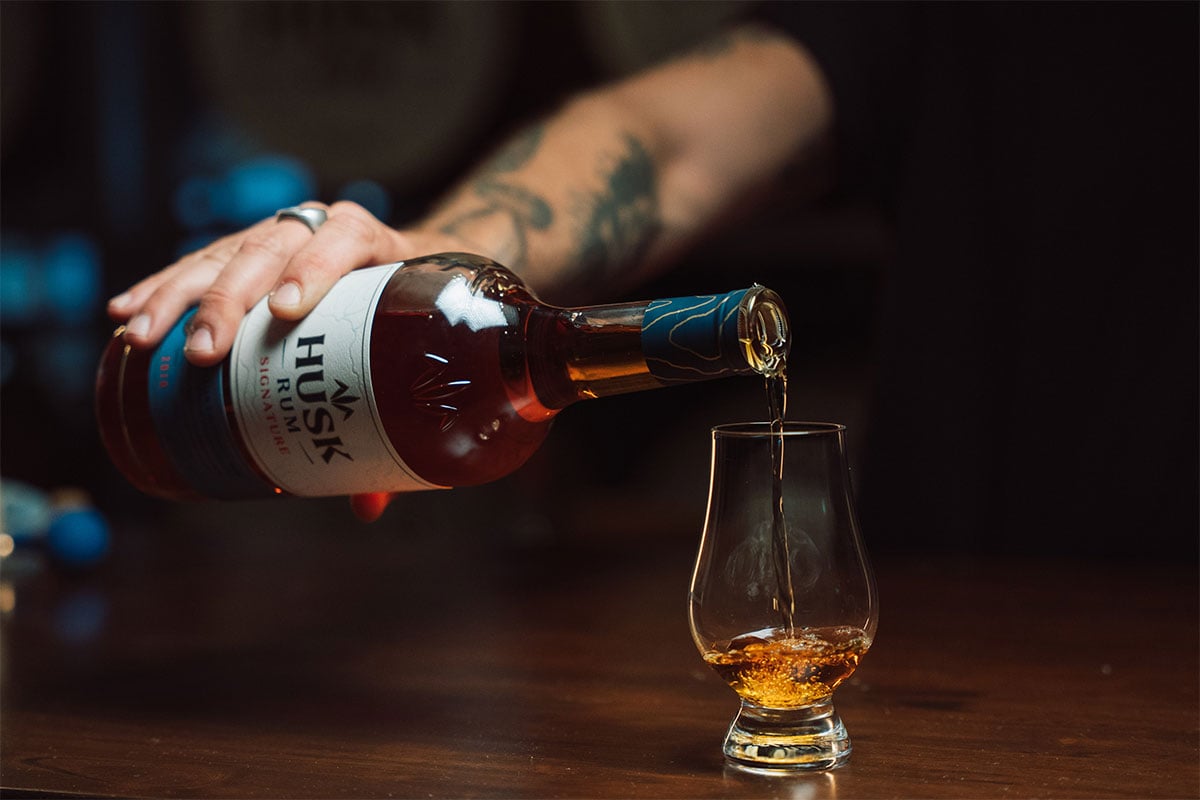
Right now, Husk have available a wonderful Husk Signature rum, made entirely on their Tumbulgum farm. I’ve tried this, it’s terrific. It bears the new ‘ACR’ mark, a standard for this new style of rum in Australia, one made with a true sense of provenance using the natural flavours derived from Australian sugar cane varieties. Yes, there are different varieties of sugar cane; for example at the distillery they are growing a variety that’s over 100 years old, but is very rarely grown today.
If you are a connoisseur of rum, you’ll realise the importance placed on the actual still; at Husk, Paul and Quentin use column or pot distilling methods in their beautiful Forsyth still and work together over years (two to grow the crop, two plus years to age the rum) to develop the complex flavours from the juice and yeasts that go into their signature sipping spirits.
More info at huskdistillers.com.
 For four decades The Echo has printed the stories some people loved, some people hated, and some pretended not to read. If you want us to keep telling the truth, the real truth, not the sugar-coated version. We’ll need your support to keep the presses rolling.


