



Repeated calls for NSW drug driving law reform with consideration of medicinal cannabis have been heard at the state government’s drugs summit forum in Lismore.
More than a hundred people were at the Lismore Workers Club for Monday’s forum, the second in a series that started last Friday in Griffith and is to continue in Sydney next month.
Earlier on Monday, Health Minister Ryan Park visited The Buttery rehab centre in Binna Burra, where he announced $21 million dollars in state funds over four years for alcohol and other drug treatment in Northern NSW.
The funds include nearly $7 million dollars for three new programs at The Buttery.
Government restricts drugs summit reporting
Media were only allowed to attend summary presentations of group discussions in the forum, owing to what government officials said was consideration of privacy for some participants who were present or past drug users.
Photos of the event were also banned, including of group discussion notes plastered on the walls, even where they didn’t disclose names or other identifying information.
An out-of-date list of organisation attendees was provided, with the Byron Shire Council named on the list but later confirming no one from the council was there.
Last week’s forum in Griffith happened alongside complaints from various groups that they weren’t invited – the event was by invitation only – but the premier apologised and Lismore’s forum didn’t attract the same criticisms.
Calls for Lismore drugs court, more safe injecting rooms
The forum comes alongside a continuing NSW parliamentary inquiry into the state’s regulatory framework around cannabis, chaired by Legalise Cannabis member of the legislative council Jeremy Buckingham.
The inquiry held hearings in Lismore recently, and the dominant theme was a call for law reform to prevent medicinal cannabis users being charged for the offence of impaired driving.
Forum participants at this week’s drugs summit were divided into groups to brainstorm various aspects to NSW drug policy.
Spokespeople included Monica Wheeler, the CEO at federal government health agency branch, Healthy North Coast, and former magistrate David Heilpern.
Various youth and social services representatives also spoke, while police and people with lived experience of drug addiction joined in group discussions.
Ms Wheeler called for greater awareness of and education around drug rehabilitation and recovery services, while Mr Heilpern called for a drugs court in Lismore.
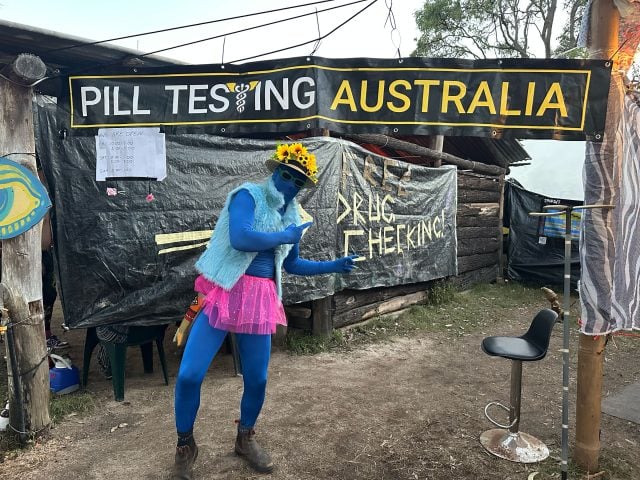
Others called for investigation of pill-testing options, particularly for youth, and for more safe needle-injecting rooms like the one in Kings Cross to be set up across the state, particularly in regional areas.
More funds for drug recovery programs were also needed, advocates said, including certainty of funds for reliability of programs.
Medicinal cannabis industry joins push for reform
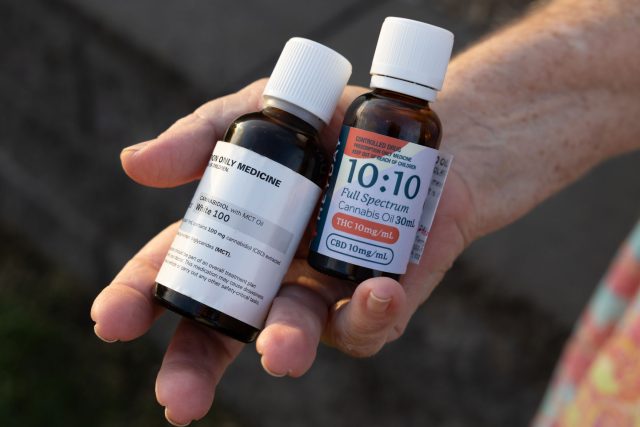
While most participants had obvious health, social and justice interests, Australia’s fledgling medicinal cannabis industry was also represented.
Edward Strong is Head of Government Relations at medicinal cannabis company Montu and member of an industry group formed last year called Cannabis Council Australia that he says has nearly 50 members.
He spoke outside the forum of the relatively new industry’s part in the push for reforms to drug driving laws.
‘Key to that is driving reform for medicinal cannabis patients in regional areas,’ Mr Strong said.
‘These patients are unable to go to the doctor,’ Mr Strong said, ‘they can’t drive themselves to hospital, they can’t take their kids to school or to sport’.
Mr Strong said the industry had also made submissions to the NSW parliamentary inquiry.
‘That was incredibly positive,’ he said, ‘it was a great opportunity to talk to members of parliament about this critical issue that our patients have raised with us’.
Only 5% of GPs prescribing medicinal cannabis
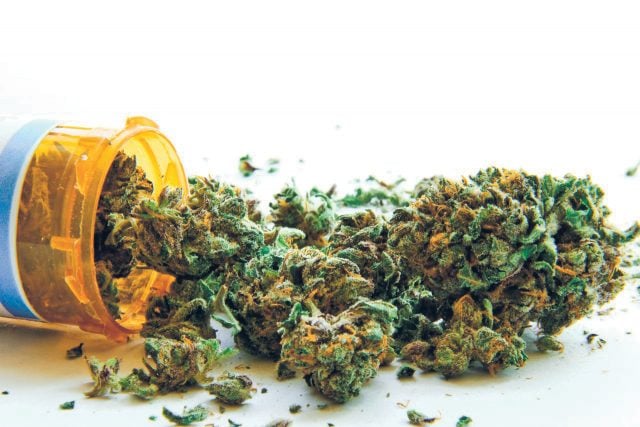
Medicinal cannabis is legal in the state but Mr Strong said the need for approval from Australia’s Therapeutic Goods Administration made it ‘quite onerous’ for GPS to prescribe it.
Only around five per cent of the nation’s GPs were authorised to prescribe medicinal cannabis, he said.
The industry was in ‘early discussions’ with the federal government about possible regulatory changes but was focused on drug driving laws for now, he said.
Mr Strong declined to comment on calls for legalisation of cannabis beyond the medicinal industry.
Premier Chris Minns ruled out legalising cannabis before the drugs summit started, describing it to media as ‘a big change’ for NSW.
Mr Minns has seemed open to the idea of reform around medicinal cannabis when it comes to drug driving offences, referring publicly to changed perceptions in social attitudes on the issue.
But the state’s police minister, Yasmin Catley, is on the record expressing a zero tolerance to what she has referred to as cannabis ‘impairment’ and driving.
 For four decades The Echo has printed the stories some people loved, some people hated, and some pretended not to read. If you want us to keep telling the truth, the real truth, not the sugar-coated version. We’ll need your support to keep the presses rolling.


