



Labor is on track to a thumping majority, with Peter Dutton’s Coalition cut to shreds, following an Australian election conducted under the shadow of collapsing democracy in the United States.
Australians almost invariably punish governments with swings against them in second terms. Not this time. Although about a third of the country voted for someone other than the major parties, the flow of preferences resulted in a swing to Labor of 2.6 per cent.
In an echo of what just happened in Canada, the Trumpish opposition leader lost his seat, and a centrist sitting government has been returned, in spite of polls just months ago suggesting the opposite scenario was a realistic possibility.
The ALP retained the Victorian seat of Aston, won in a by-election during Labor’s initial honeymoon period, and have regained Peter Dutton’s seat of Dickson, which hasn’t been in Labor hands since 2001. Remember Cheryl Kernot?
This election was decided before polls even closed in Western Australia, and Labor won every seat in Tasmania. There are many new female representatives across the country, and big money failed to unseat the teals, who mostly held their ground across the old Liberal heartlands.
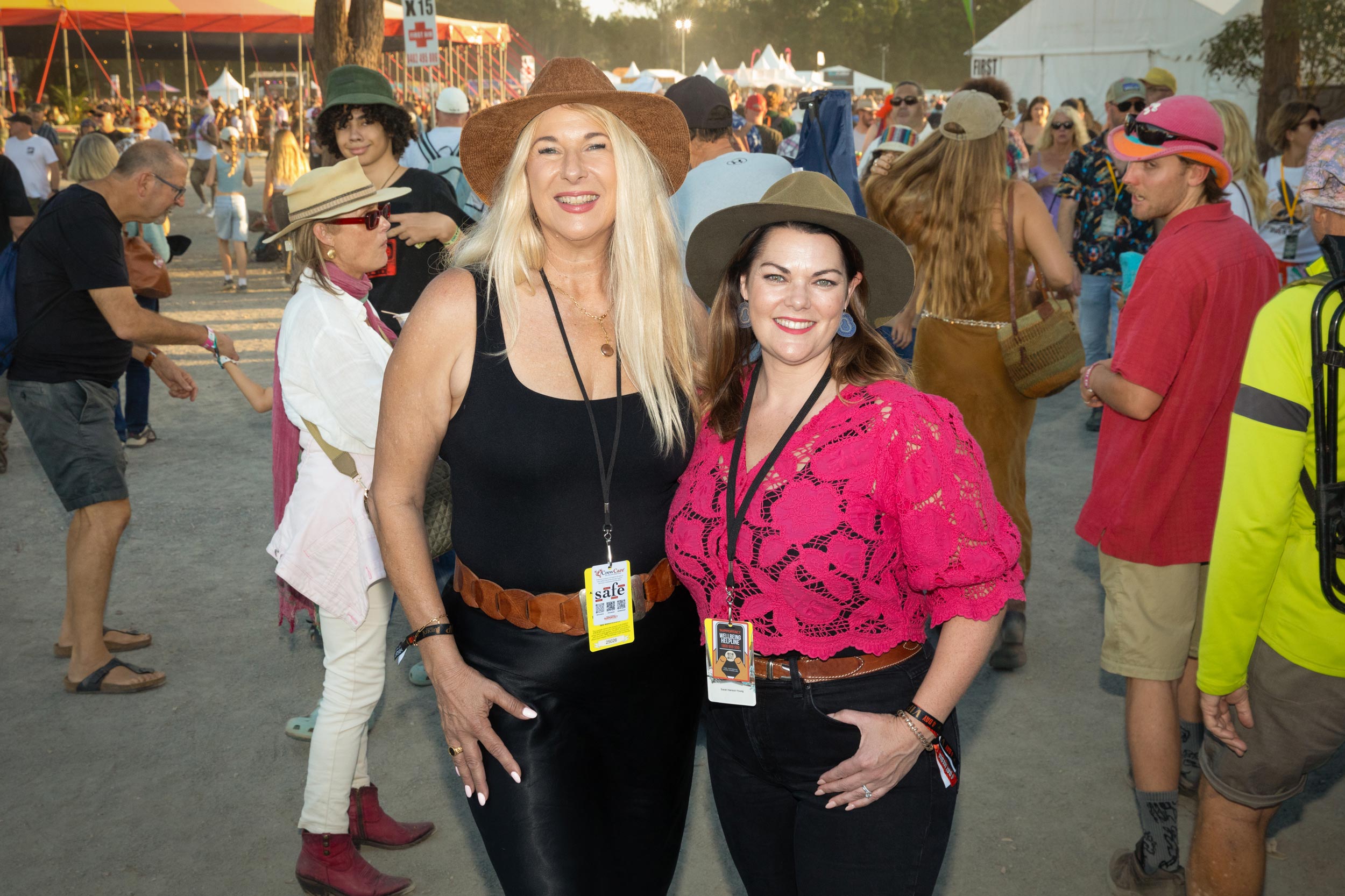
What about the Greens?
In spite of a vociferous campaign conducted by a cocktail of extreme right wing organisations and the major parties, the Greens’ national vote on Saturday didn’t collapse (there was a positive swing of 0.73 per cent in NSW), but not in the places that count in terms of the lower house.
Leader Adam Bandt is in trouble in Melbourne, and Mandy Nolan failed to win Richmond, although she achieved a 1.88 per cent swing.
In the Senate, where voter numbers bear a closer relationship to representation, the Greens will retain their existing numbers, and balance of power role, though a strengthened Labor will also have the option of pushing their agenda through with conservative support. Other independents are set to lose their role as king-makers, with Jacqui Lambie possibly to vacate her seat for Pauline Hanson’s daughter Lee as counting continues.
In Brisbane, Peter Dutton was uncharacteristically emotional as he spoke early on Saturday night, paying tribute to his opponents locally and federally, and taking full responsibility for a failed campaign. ‘I said to the prime minister that his mum would be incredibly proud of his achievement tonight, and he should be very proud of what he’s achieved,’ he said.
Down in Sydney, Albo acknowledged the traditional owners of the land, but there was no bold statement along the lines of what he said about the Uluru Statement from the Heart last time. Instead, he chose to focus on fairness, and kindness, old-fashioned qualities derided as ‘woke’ by Peter Dutton and his fellow travellers.
‘Today, the Australian people have voted for Australian values,’ he said. ‘For fairness, aspiration and opportunity for all, for the strength to show courage in adversity and kindness to those in need.
‘And Australians have voted for a future that holds true to these values, a future built on everything that brings us together as Australians and everything that sets our nation apart from the world.’

Repudiation
This federal election saw a strong repudiation of the forces that destroyed the Voice, and threatened to bring American-style culture wars to the forefront of Australian society.
The result shows that Gina Rinehart, Clive Palmer, Rupert Murdoch and the Atlas Network don’t have the control here that they imagine, but Australians can’t afford to be complacent.
There was a sense through much of Albanese’s first term of a government looking over its shoulder, and not governing for those that actually elected them – even less for those who had preferenced them ahead of the many far right alternatives. A party has to be more than its big money donors.
If Albo wants to carve himself a place in the Labor pantheon, now is the time for his party to get back to its roots and use their newfound strength and confidence to do something bold to transform the country. AUKUS, tax reform, truth-telling and a scientific response to the climate and extinction crisis should all be on the table.
If the prime minister fails to grasp this extraordinary opportunity, he’s got no one to blame but himself.
Originally from Canberra, David Lowe is an award-winning filmmaker, writer and photographer with particular interests in the environment and politics. He’s known for his campaigning work with Cloudcatcher Media.
 For four decades The Echo has printed the stories some people loved, some people hated, and some pretended not to read. If you want us to keep telling the truth, the real truth, not the sugar-coated version. We’ll need your support to keep the presses rolling.


