


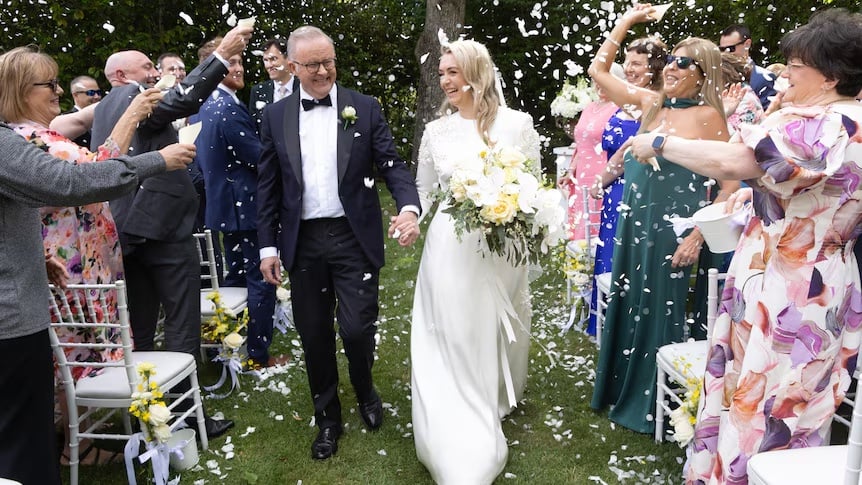
After a politically challenging year, Prime Minister Anthony Albanese married Jodie Haydon in a lovely, private ceremony at the Lodge on Saturday.
While Albo is sometimes accused of being timid, no one could say he’s lazy. After a hectic couple of months meeting various world leaders, he came home from the G20 event in South Africa with nasty flu-like symptoms, completed the parliamentary year, and still managed to get married right on schedule.
Late last week, the government also got its desired changes to national environment laws over the line, having negotiated amendments with the Greens and leaving the shambles of a Coalition grasping at straws to the end.
Although climate impacts are mysteriously missing from the legislation, both parties in this temporary marriage of convenience told their supporters this was a victory, as did the business community, in most cases – apart from the miners – but Canberra’s follicly challenged answer to the Lorax, Senator David Pocock, was less impressed.
He quoted the late American environmentalist Aldo Leopold, saying ‘We abuse land because we regard it as a commodity belonging to us. When we see land as a community to which we belong, we may begin to use it with love and respect.’
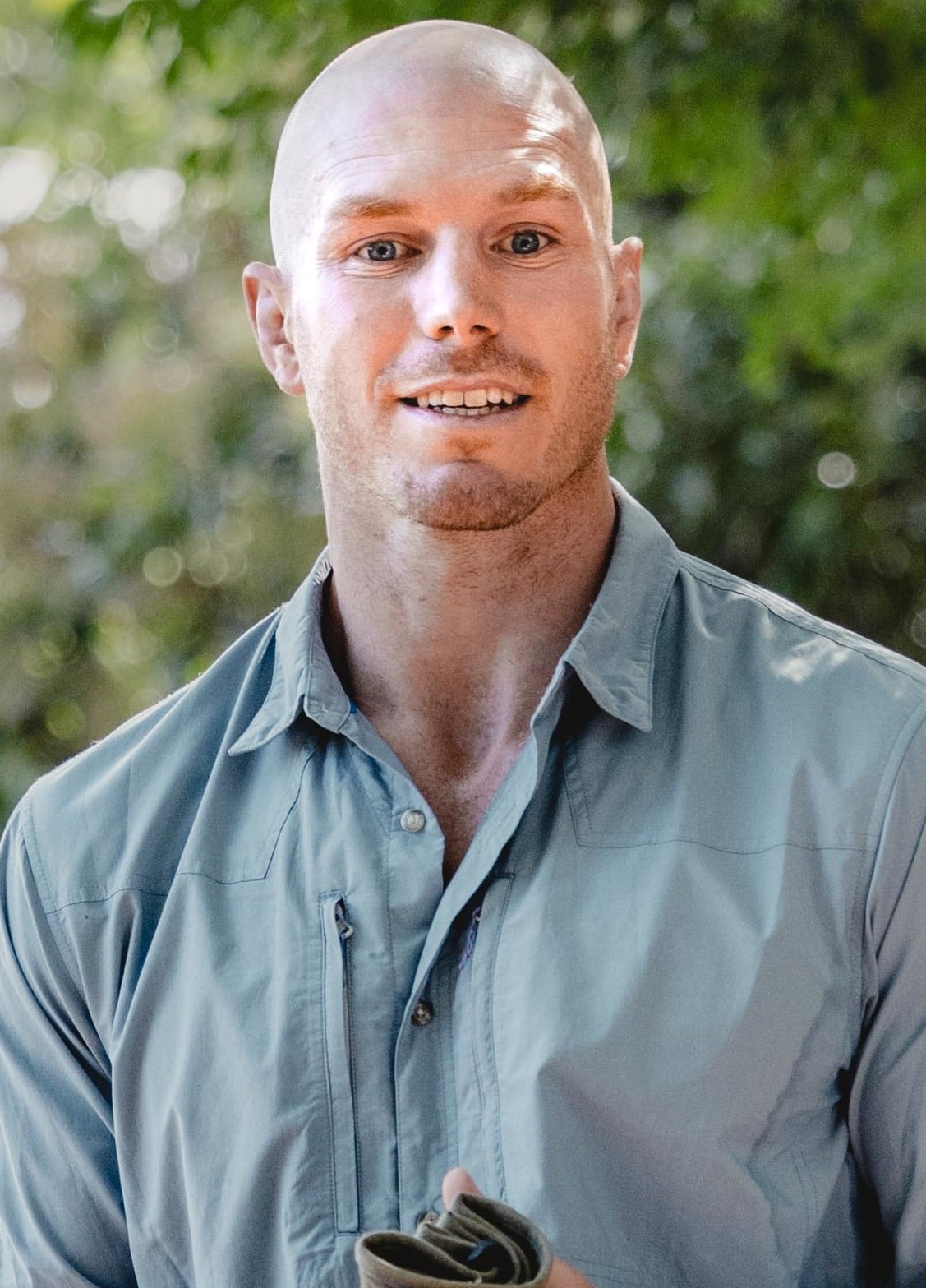
Pocock went on, ‘We’ve seen this whole debate being about the politics of it rather than actually turning our minds to the places and species that sustain us and that we love and rely on for our very survival.
‘It’s probably no surprise that we’ve ended with a mishmash of bills that may provide an improvement on the first EPBC Act, but it’s really questionable how much they’re going to turn things around…’
Long term thinking? What hocus pocus is this?
‘We have to start to think about this differently,’ said Senator Pocock. ‘We have to start to think longer term and make decisions that will let us hand this incredible continent to future generations, to young people, in better shape. That takes political leadership. That takes people who are actually thinking beyond the next election.
‘I haven’t seen that from the Albanese government when it comes to the environment and when it comes to nature. So I urge the government: think longer term. Let’s change the way we talk about nature in this country. We are entirely reliant on it. It is in our self-interest as a species to act in a way that aligns with that.’
Lost in the kerfuffle around the EPBC changes, Albo’s wedding day, Pauline’s latest burqa stunt and Barnaby’s protracted divorce from the Nationals was something positive that sailed through parliament last week, the Communications Legislation Amendment Bill.

This dry-sounding reform has the potential to save Australia’s screen industries, and their associated cultural carrying capacity, from the ongoing assault of the big American-based streamers, including Netflix, Amazon Prime and Disney+.
Landmark day
Screen Producers Association CEO Matthew Deaner called the passage of the legislation a ‘landmark day for Australian screen storytelling’. The new laws mark the culmination of a decade of lobbying from film and television makers, since the rise of streaming technology upended the way most of us experience screen content.
Streamers will now need to commit at least 10 per cent of their local expenditure, or 7.5 per cent of revenue, on Australian content, correcting a long standing inequity where only free-to-air and pay TV providers had any such responsibility.
An additional $50 million has been secured for the ABC to create children’s and other free to air content.
SPA publicly credited Greens Senator Sarah Hanson-Young for her crucial role in securing the new legislation, but this was also a victory for people passionate about Australian screen culture from right across the political spectrum, including Labor’s Michelle Rowland, Anika Wells and Tony Burke, independents including Allegra Spender, Zali Steggall and Jacqui Lambie, and Coalition figures including Julian Leeser, Melissa McIntosh and Perin Davey.
While there are still details to be worked out, and possible pushback from the Trump administration and its corporate overlords about Australia trying to defend itself in this way, the streaming quota bill shows what politicians, business people and creatives can do when they come together to save what they love.
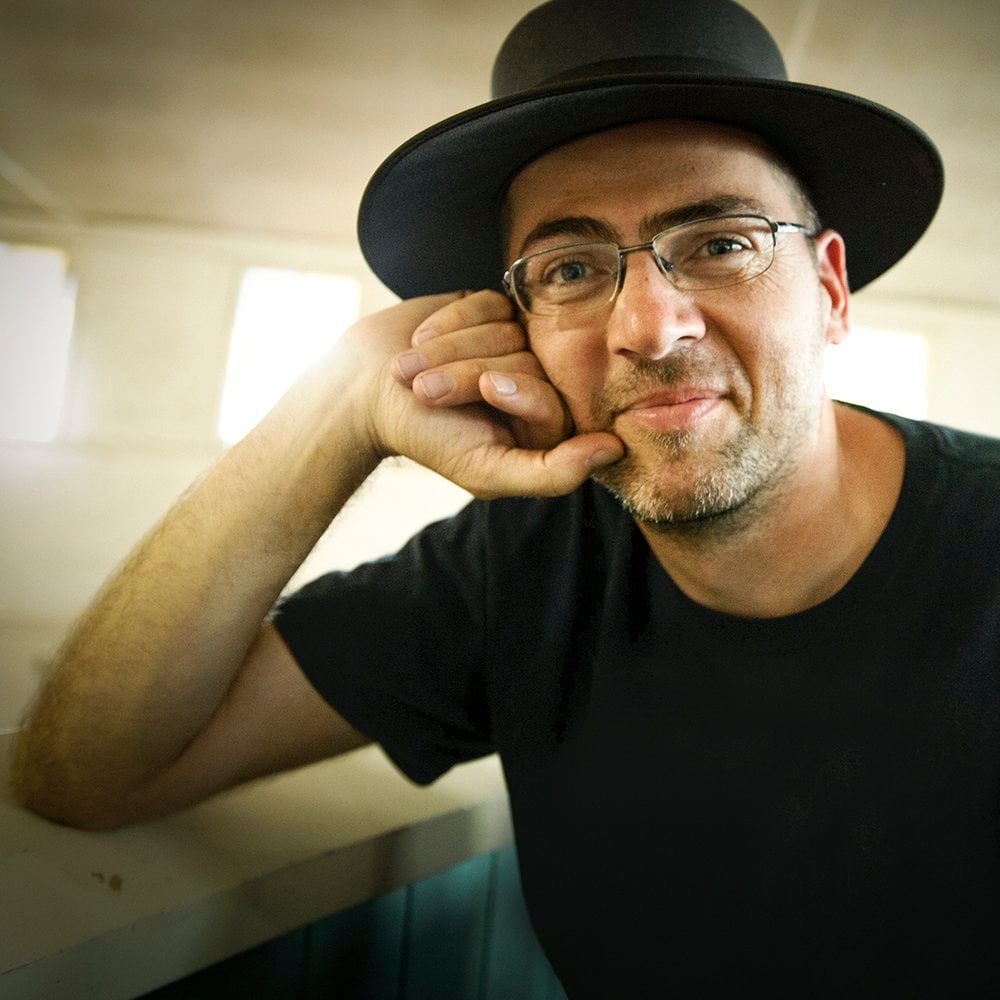
Originally from Canberra, David Lowe is an award-winning filmmaker, writer and photographer with particular interests in the environment and politics. He’s known for his campaigning work with Cloudcatcher Media.
You can find more of his writing at Patreon and Gumroad.
 For four decades The Echo has printed the stories some people loved, some people hated, and some pretended not to read. If you want us to keep telling the truth, the real truth, not the sugar-coated version. We’ll need your support to keep the presses rolling.


