


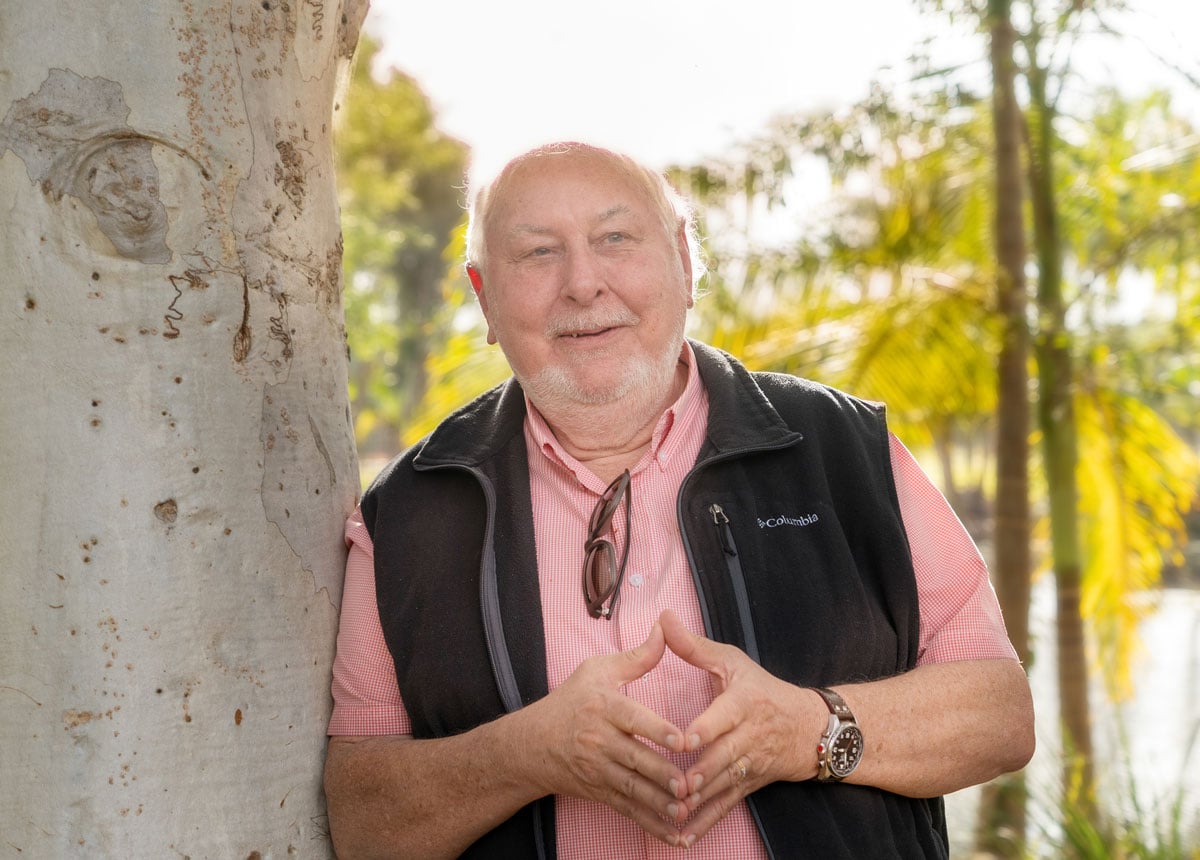
In its 40th year, The Echo speaks with pivotal businesses and organisations that have helped shape the Northern Rivers over the past four decades. Over that time, The Echo has worked side by side, and witnessed these organisations build a vibrant hub for tourism, the arts, business services, and production across the Byron Shire and beyond.
Bluesfest is one of those key cultural institutions that has been part of shaping the fabric of the region, bringing an amazing range of creative artists, musicians, and people here. But it was the fact that the region was a hub for music and arts as part of the alternative counter-culture that created the right conditions for this unique award-winning festival to thrive.
‘In the 1970s and ‘80s there were two regions that were really the arts and cultural centres outside of Sydney and Melbourne: the Byron region extending to Lismore and Nimbin; and Cairns and Kuranda,’ said Bluesfest Director, Peter Noble OAM.
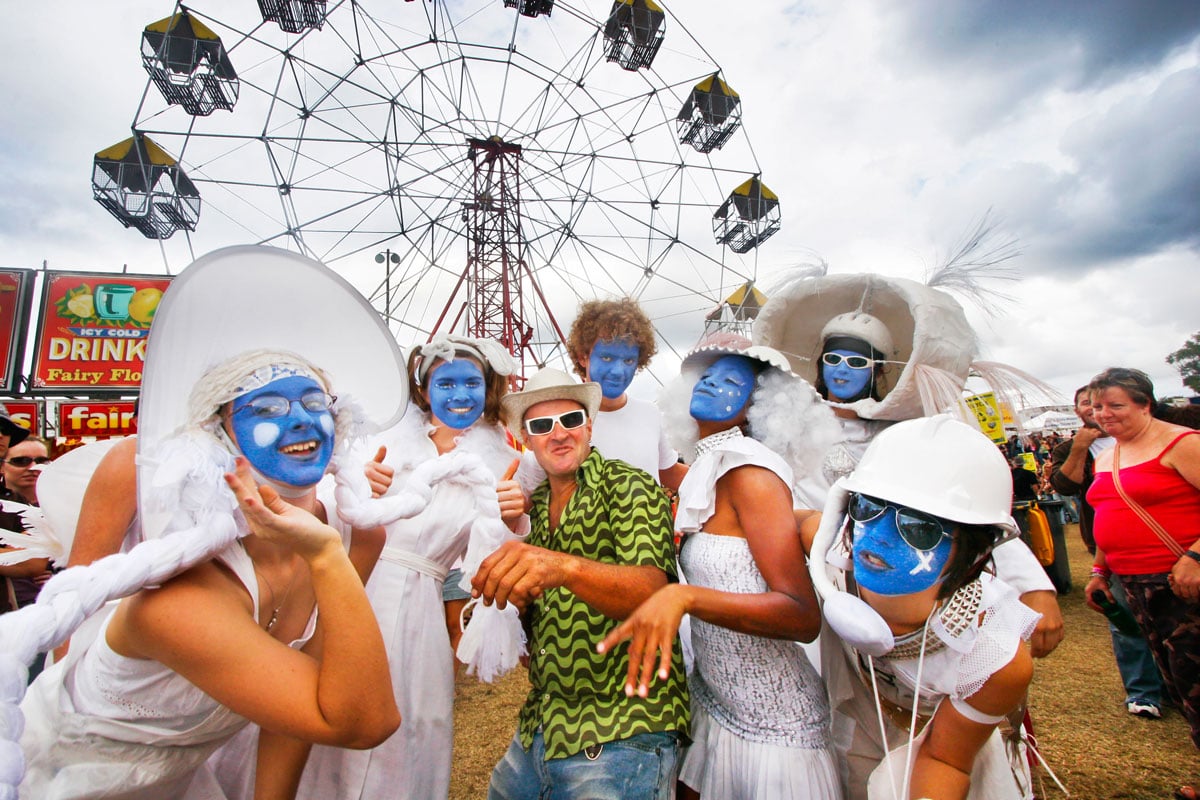
Mecca for art, culture, and nature
‘They were the areas that seemed to be the magnets for arts, culture, and everything else you could imagine. Sydney was the springboard; people would stay there before they moved up here to get a bit of a feeling of more grounded life in nature. They were selling shares in multiple occupancies up here at the Paddington Markets where I had a stall in those days.’
Bluesfest is in its 37th year, just four years younger than The Echo that turns 40 this year. Both sprang from the alternative culture of the region.
‘To really understand where Bluesfest comes from you’ve got to go back to Danny Doeppel and the Nutwood Rug Band that he was in, they were draft dodgers from the US. He invested in The Piggery in Byron Bay (subsequently The Arts Factory), opened it as a venue, and began bringing bands to Byron. Then Kevin Oxford, who started Bluesfest, moved here and was working with Danny, all of a sudden, talent started coming to our area.’
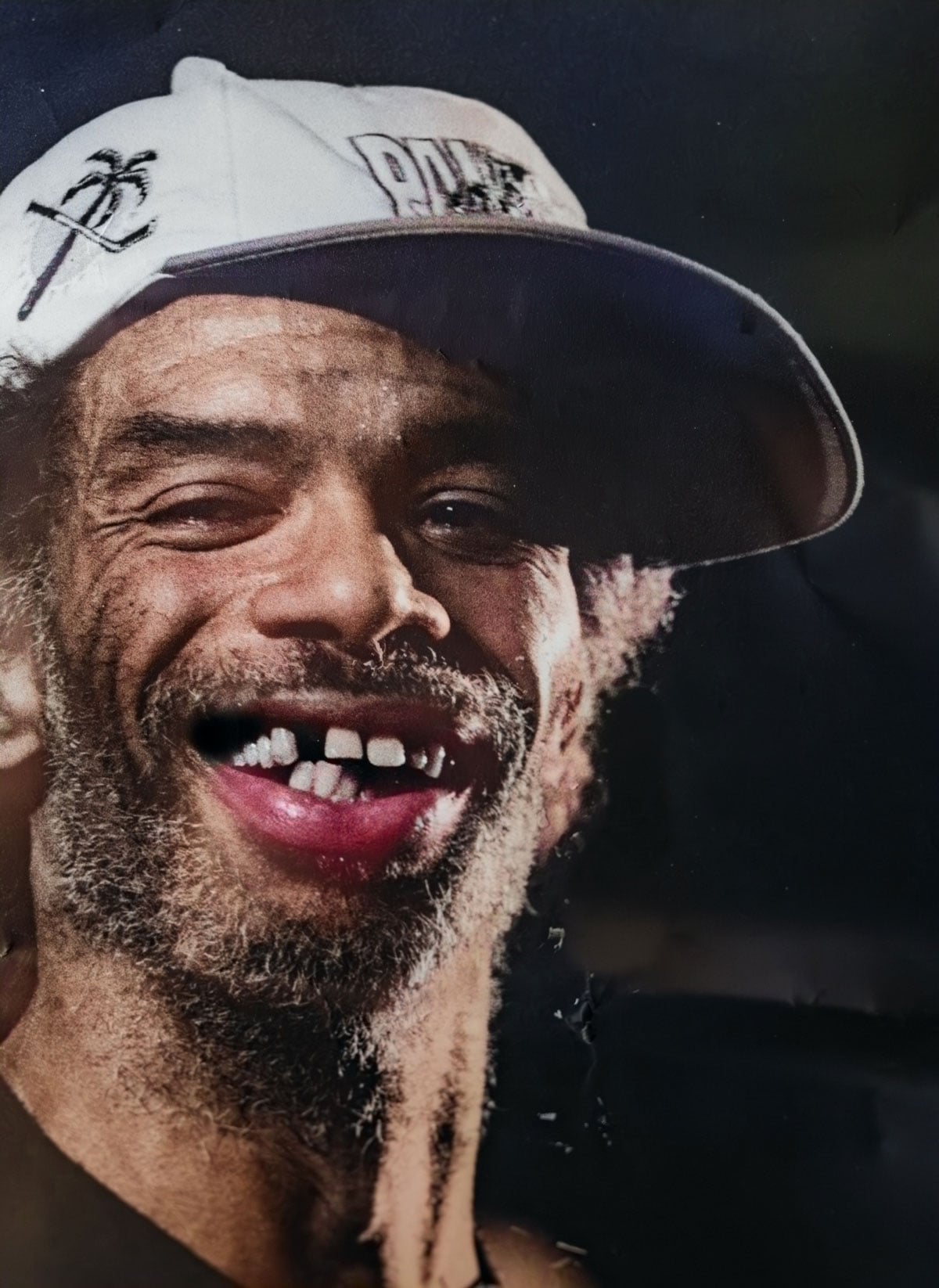
The first show that Peter brought to the area was in 1979 and he put it on in the Trinity High School hall in Lismore.
‘I brought Herb Ellis and Barney Kessel here, jazz guitar players, Barney’s one of the Wrecking Crew. You know, from LA.
‘It’s late 1979 in Lismore and we do this show and there were more people outside than inside, because we were sold out. This was more people than came to The Basement in Sydney. There was more people coming to shows per capita in Lismore than in Western Sydney.’
Counterculture thrives
Kevin Oxford started Bluesfest in 1990 with Peter soon coming on board to book additional talent. He then became a business partner for the 1994 Bluesfest before taking over from Kevin and Karen Oxford in 2004.
‘The Echo was counter-cultural without an apology, and so was Bluesfest. I mean, you don’t have to put the name in your logo to be something and stand for something. And we reflected what this community was.
‘I think that on one level The Echo had a vision of our community, what our community is and should be. I realise your letters columns are sometimes quite controversial, but it’s fun to read as well.
‘Like The Echo, Bluesfest has always been a labour of love. In the early days Kevin and I were both great music fans, and trying to figure out how to put a music festival on, and there wasn’t a successful blues festival in Australia. And that was Kevin’s great passion and I went out there to present Australian Indigenous artists at Bluesfest.
‘But both The Echo and Bluesfest couldn’t have existed as easily anywhere else. The spread of diversity here, the people who came from the cities looking for a different life, those are the elements that made this area so special and created the strong cultural base for us to grow, shape, and be shaped by this region.’
The challenges of Covid, having had Bluesfest cancelled the day before the festival in 2021, and the tightening economic conditions have made for a tough few years for Bluesfest with Peter announcing that 2025 would be the last year of Bluesfest if they didn’t get the ticket sales.

We live because of your support
‘We still need that local and regional support,’ Peter said.
‘Like The Echo relies on people taking ads out so that it can supply a free paper every week, Bluesfest relies on locals buying tickets and supporting it otherwise, it can’t keep going.
‘These events cost $20 million. So when John Graham became the arts minister, he encouraged us to put in a major application to Destination NSW. The grant would have got us through three years, but then on the day of the budget announcement for 2024 we received the email saying “you won’t be part of the announcement”. At the same time, I believe they gave $12 million a year to South by Southwest, and that has just been cancelled.
‘We bring a couple of hundred million dollars that are spent in our communities, that ripples out every year when we’re getting 100,000 people, and the NSW government won’t even give us one per cent of what we bring into this state, despite the fact we are the highest, most awarded event, not only in the state, but in this country. We’re iconic.’
The future of Bluesfest and The Echo both rely on local community and business support.
‘The Echo and Bluesfest have shaped the community. We even introduced music at a level that when I first moved back to Australia and I started trying to bring blues here, people would look at me and say, “mate, this is never gonna work”,’ says Peter.
‘We both come from the counterculture, and we both must always be appealing for support, and I have to do that in the interviews, reminding people not to wait till the last minute to buy tickets, reminding them to bring their family – kids aged six and under are free, but bring the earplugs. Bluesfest is about talent. And we have introduced so much talent to Australia.
‘When I met the director of the Montreal Jazz Festival about 20 years ago, we were talking about how you keep music festivals relevant. He said “Well, we discovered drum and bass and introduced it on a festival level, before it was happening”. They saw that as being music, musical, and where it resonated with jazz. You’ve got to have a vision, if you don’t, you’ll just end up doing what the others do and that’s destined to fail.’
 For four decades The Echo has printed the stories some people loved, some people hated, and some pretended not to read. If you want us to keep telling the truth, the real truth, not the sugar-coated version. We’ll need your support to keep the presses rolling.


