



More than 110 residents gathered at Rock Valley Hall on Sunday 12 July and rejected claims that the recently released CSIRO report on flood mitigation was informed by strong community consultation.
The meeting was organised by concerned local residents when they recognised the scale and potential impacts of the proposal for 10 large detention dams across the Richmond River catchment.
‘A small group of us read the 77 page report and tried to understand what was being proposed,’ said Shane Doepel, one of the meeting organisers.
Massive plans
‘We were flabbergasted when we realised the details and implications. Talking to our neighbours, many weren’t even aware the study had been conducted, let alone the implications for them. We knew it was important to help the community understand.’
The meeting had three aims: to help residents understand the report and the consultation process behind it; to document community questions and concerns; and to encourage informed participation in upcoming engagement opportunities with NEMA, CSIRO and the NSW Reconstruction Authority.
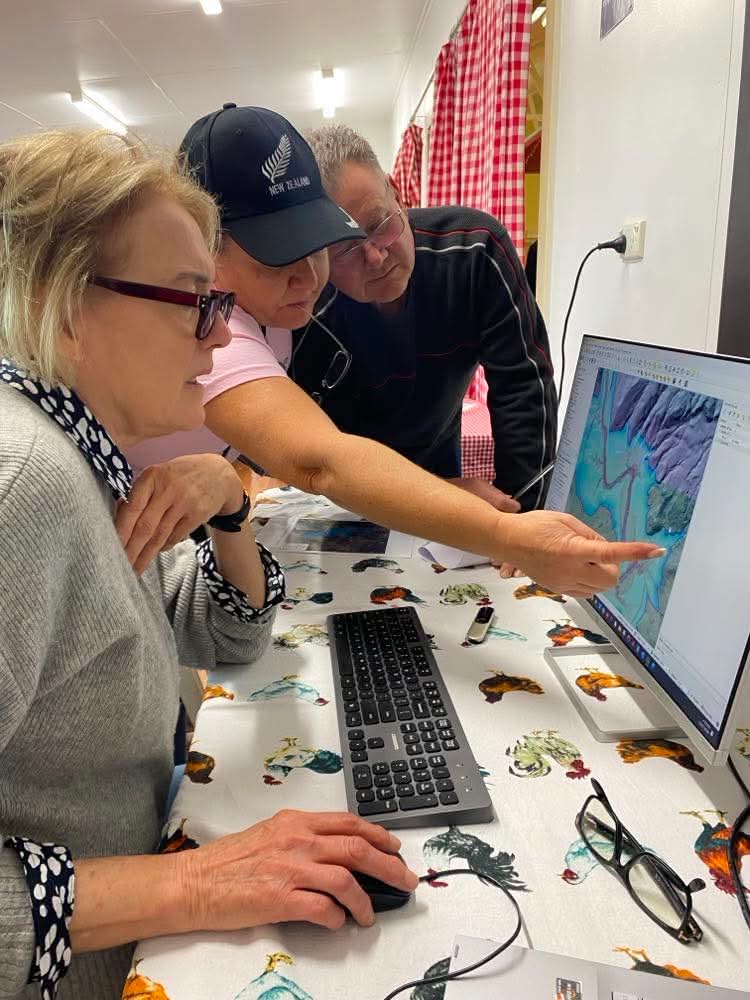
The session included a presentation by Renata Phelps outlining the history of the project, previous consultation activities and the key findings of the modelling report.
The Rock Valley detention dam is just one of 10 dams proposed through this study.
This one alone would be almost 40m high from the creek bed, span 389m across the width of the valley and, at full capacity, would hold an astronomical 94.3 GL. That is 6.7 times the volume of Rocky Creek Dam (14 GL).
The intention is that the sluice gates would close during flood time, detaining water, but would open to gradually release water, controlling flows down stream. In a scenario like the 2022 floods the water would take almost 14 days to be released. That means flooding would remain on the ground for weeks.
‘The implications for our Valley are enormous,’ said Renata. ‘By recreating the inundation maps ourselves we estimate that at least 40 properties are affected, many homes that were previously flood free will be well under water – in some cases up to 15 metres.’
Dams be damned
‘We really wonder if anyone commissioning or conducting this report has looked at the areas that are proposed to be flooded,’ Shane said.
‘Around 10 kilometers of the Rock Valley/Cawongla Road would be inundated, and that isn’t even considering the side roads, like Chelmsford and EJ Olly, which are also almost completely under water. Hundreds of residents in our valley alone will be affected, and we are just one of the 10 valleys.’
As part of the presentation, attendees were asked whether they had been aware of, or participated in, the consultation stages leading to this report. Only eight people had heard about or participated in the initial July/August 2025 consultations, when the general flood mitigation concepts were proposed.
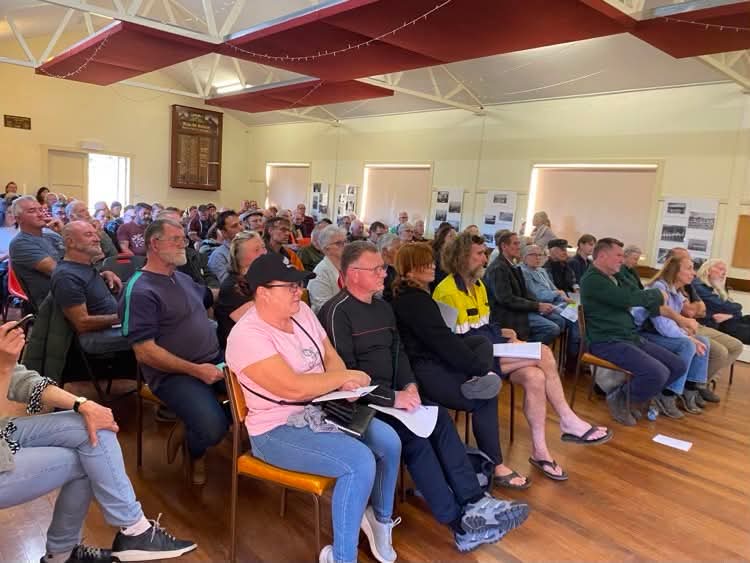
Only one attendee reported participating in September 2025 when the approximate locations of the dams was proposed.
All other meeting attendees were unaware of the consultation processes all together, and significant numbers of attendees were hearing about the proposal for the first time.
‘Some people are claiming in the media that this proposal already has social license,’ Renata said. ‘That is far, far from the truth. Holding events that are poorly publicised and making no attempt to reach out to inform affected communities is NOT evidence of sufficient consultation.’
Minimal consultation, no social licence
As indicated in the CSIRO report, the September 2025 Lismore community engagement meeting only had 43 people attend.
‘We know that the experience, knowledge and values held within our community matter, especially when considering a proposal that could alter our valley for generations to come,’ said Sally Newham, another meeting organiser.
Following the presentation, participants took part in a process helping residents document the potential impacts of the proposed detention dam.
Participants identified a range of environmental, social, cultural, agricultural and economic issues and had many, many questions that need to be answered.
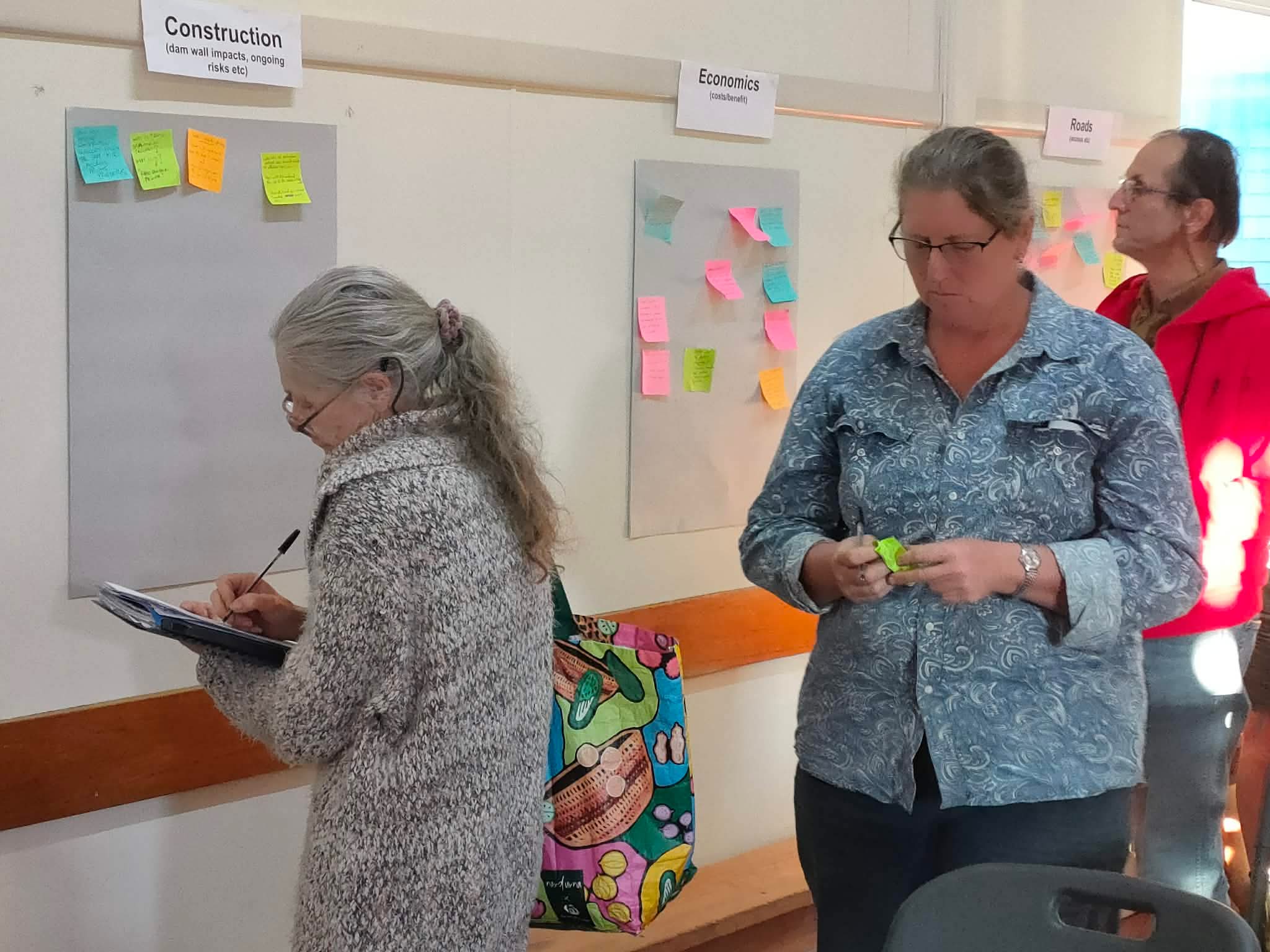
These include:
- What happens to the road that currently runs up the floor of the Valley, through the point where the wall of the dam would be built? There are no easy alternate routes even if it was to be fully rebuilt.
- What happens to a road that is completely submerged under 16 metres of water for 2 weeks? The landslips from 2022 are only just being repaired now and the road is constantly needing repair. Would Council even be able to afford the scale of ongoing road repair?
- What happens to the many houses and properties that were formerly flood free and now would inundate? Would all these properties be bought back? And at what expense?
- What happens to the power lines that run up the floor of the valley? We assume while they are flooded the power is out. For two weeks?
- What happens when there is an emergency and people can’t get out of their properties? Short term natural flooding is one thing, but extended two weeks cut off access heightens the risks considerably.
- What do farmers do with their cattle and what happens to pasture and soil that is submerged for weeks and covered with silt, toxins etc?
- Would our trees and natural vegetation survive complete inundation or would all those trees die? Does all that rotting vegetation potentially create black water events?
- What happens to wildlife in that zone? The creek is known for its platypus habitat – their homes would be fully submerged too. Even a koala (for example) sitting in a 16m tree, would drown.

Further opportunities for community response
‘While people are feeling very anxious right now, there are still opportunities for them to make their concerns known,’ said Sally Newham.
‘Sunday’s meeting was about building understanding, making connections and identifying constructive ways forward.’
Residents in all affected areas are encouraged to attend the meetings organised by NEMA, CSIRO and NSWRA from July 20-23. They need to register to attend (via this link) and should take along a list of concerns. The Lismore session is being held on Wednesday 22nd July, 9-11am at the Lismore Workers Club.
‘We know many of our residents simply can’t get along to these sessions and the events haven’t been well promoted,’ Shane said. ‘We are determined to ensure all residents get to have their voice heard. We call on the agencies to provide further sessions at more accessible times.’
Two further local community information opportunities will be held at Rock Valley Hall on Wednesday 15th July at 5pm and Saturday 18th July at 9am for those who missed the meeting on Sunday.
‘We know that there will be an ongoing feasibility study process ahead but we want to counter claims that this project already has social license,;’ said Renata Phelps. ‘As residents are pointing out, there are just so many issues that make the proposal sound preposterous and prohibitively expensive.’
Organisers are also encouraging residents in the other nine valleys and affected communities to connect, share information and hold similar sessions ahead of the official agency drop-in events.
They emphasised that Sunday’s meeting was not intended to advocate for a particular position, but to support informed participation in the consultation process.
 For four decades The Echo has printed the stories some people loved, some people hated, and some pretended not to read. If you want us to keep telling the truth, the real truth, not the sugar-coated version. We’ll need your support to keep the presses rolling.


