


Eve Jeffery & Elise Moser
You hear about struggling country folk all the time. Hard-working people of the land who enjoy the simple things. It might not be everyone’s cup of tea but for a good chunk of the Australian population, it is a way of life. It’s the only thing they know, they’ve been doing it for generations and they love it.
Imagine you are one of these folk who has worked hard since forever. You have done all the ‘right’ things. You raised a family and looked after your parents, and you continue to toil all in the name of earning an honest living, until one day a stranger arrives in your front yard and tells you that you have to leave and you have no choice in the matter. They also they have the weight of the government to back them up.
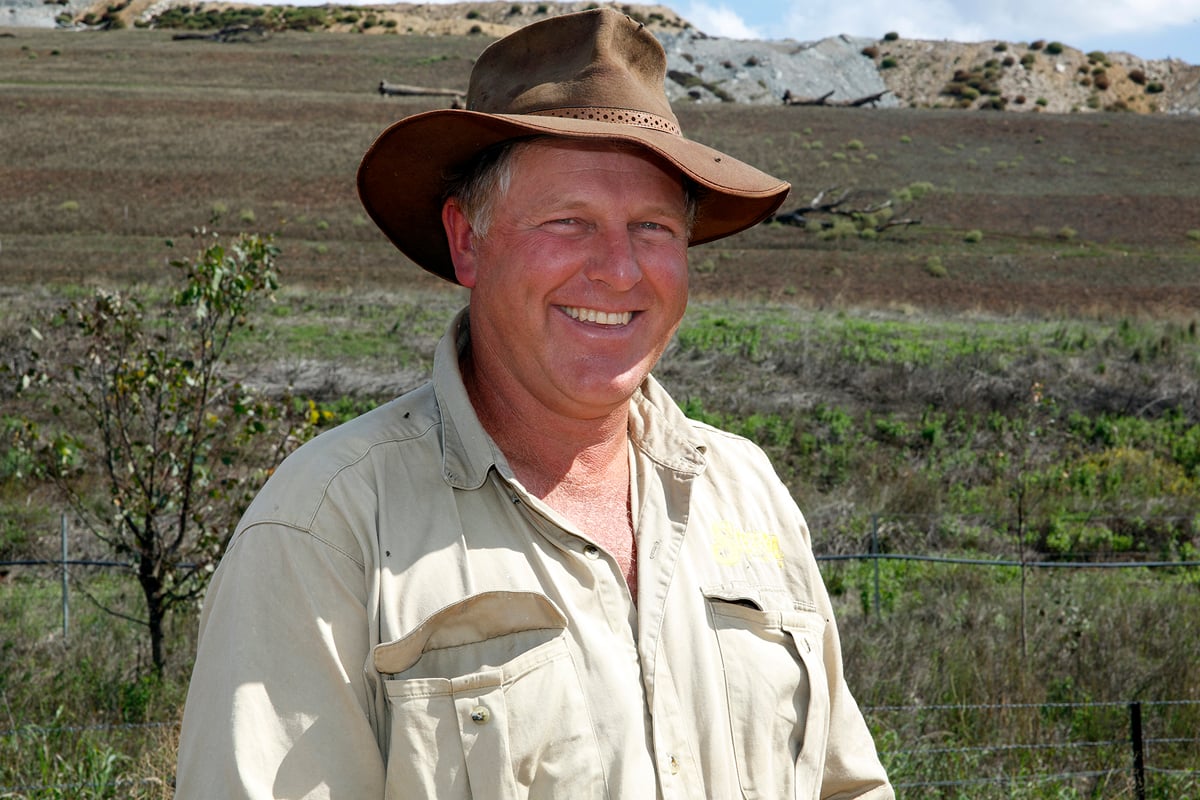
Welcome to Sam Clift’s world.

Sam is from the sixth generation of Clifts in Australia who live on the road from Gunnedah to Breeza in northern New South Wales. ‘We came over the ranges and took the country up when we came, so we’ve been here since the 1850s, something like that.’
Sam is a broadacre farmer, who grows wheat, barley and cotton. A Chinese mining company has moved into town and is buying up big around Gunnedah and Sam’s place is pretty much one of the last farms on their list of must-haves.
Reputedly the world’s largest miner, the Shenhua Group is ready to embark on the Watermark Coal project in NSW with plans to develop a new mine with an annual capacity of ten million tonnes. This is literally on Sam Clift’s doorstep. Sam has been told that the pollution from the noise and the dust will make the farm uninhabitable and for the sake of their health, Sam and his family must leave.
This is one of those rock-and-hard-place scenarios. If Sam takes up Shenhua’s offer he will have quite a few dollars in his pocket.
If he refuses to go, the government will turf him out with the bare minimum of remuneration. It makes digging in your heels futile when you know it just won’t help, but the thought of willingly handing over his heritage is hard to stomach.
‘The normal valuation is around about $3,000 an acre and about $1,500 on the ridge’, says Sam. ‘If the mine buys it they’ll probably give us more than that. If the government takes it that’s what they will give us. On our farm there’s four people in my family and we’ve got about five men working for us.’

Sam says he is really unhappy about this and his 88-year-old father even more so.
‘Dad’s really pissed off. I’m just pissed off, but he’s really pissed off’, he says. ‘It’s our heritage. We walked over the hill and took it up, we’ve been here a fair while.
‘If we don’t wanna go we shouldn’t have to go. I’m sad. I’m sad I’m losing the country to the mine and I’m angry that I’ve been made to make the decision. We don’t have any choice to stay. There will too much coal dust coming into our water supplies and coal dust in the air.’
Sam says he has heard that people from the Hunter Valley talk about the sulfur in the air from the coal.
‘In the mornings it gets in the dew and it’ll flow down the hills off the coal mines out into the crops, and ends up killing them. So you’ve also got to think what’s going into the cattle as well, because they’re eating the feed.
‘So we’re very worried about whether our meat will be contaminated and be condemned. It’s happened once before when they fed that cotton feed in the drought and they condemned all the cattle.’
For Sam there is no way out. He has to go and there is no other course for him to take. All that is left is the when. I asked him if there was any way to fight this. He said no.
‘Because the government’s against us.’

 For four decades The Echo has printed the stories some people loved, some people hated, and some pretended not to read. If you want us to keep telling the truth, the real truth, not the sugar-coated version. We’ll need your support to keep the presses rolling.


