


An environmental group has accused the Federal Environment minister of invoking a rarely-used ‘national interest’ exemption when shark nets were installed on the north coast last year.
And the group says Josh Frydenberg has once again ignored science by his decision not to include shark culling programs in a list of priority nominations he wants his scientific committee to assess for their impact on threatened species.
Humane Society International head of campaign’s Nicola Beynon said her group had nominated shark nets and drumlines for listing as a Key Threatening Process (KTP) under the Environment Protection and Biodiversity Conservation Act 1999 (the EPBC Act).
But when Mr Frydenberg announced his final list of things to be examined by the committee, shark nets and drumlines were not included.
‘Lethal shark nets and drumlines are killing threatened species in significant numbers warranting urgent scientific assessment,’ Ms Beynon said.
‘There have been 23 critically endangered grey nurse sharks killed in NSW nets in the last five years alone.
‘This is not the first time the Minister has allowed shark nets to evade proper scientific scrutiny. Last year the Minister invoked a rarely used ‘national interest’ exemption so that the installation of lethal shark nets on the NSW North Coast did not have to undergo usual environmental impact assessment processes. Humane Society International considered that an abuse of the exemption.
‘Now, with the enormous public controversy and concern over the impact of lethal shark nets and drumlines, it would have been appropriate for the Minister to respond by referring them to the Threatened Species Scientific Committee for priority scientific assessment.’.
The NSW Shark Meshing Program is already recognised as a Key Threatening Process under NSW threatened species laws for its impact on the critically endangered grey nurse shark. The criteria for listing a key threat under Commonwealth law is very similar and would include consideration of the impact of culling programs in both NSW and Queensland.
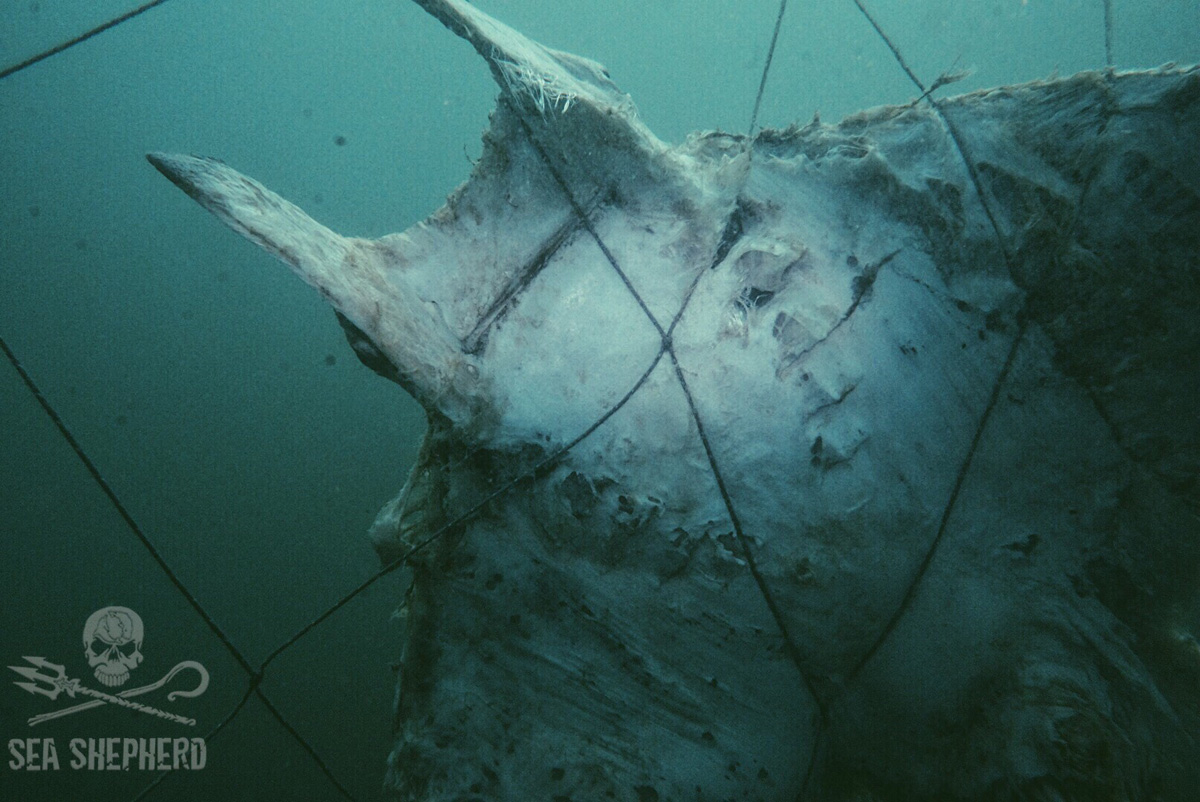
‘Shark culling programs in Queensland have killed almost 104,000 animals, including 5,000 protected marine turtles, 15,000 harmless hammerhead sharks, 18,000 rays, and almost 2,000 dolphins and dugongs. It is hard to see how these figures do not make the nets a priority for assessment as a key threat to marine wildlife.’
Frustrated by the lack of scientific rigour to culling programs, Humane Society International has taken the opportunity to challenge the culling program for sharks in the Great Barrier Reef Marine Park in court. The court case is pending.
 For four decades The Echo has printed the stories some people loved, some people hated, and some pretended not to read. If you want us to keep telling the truth, the real truth, not the sugar-coated version. We’ll need your support to keep the presses rolling.


