


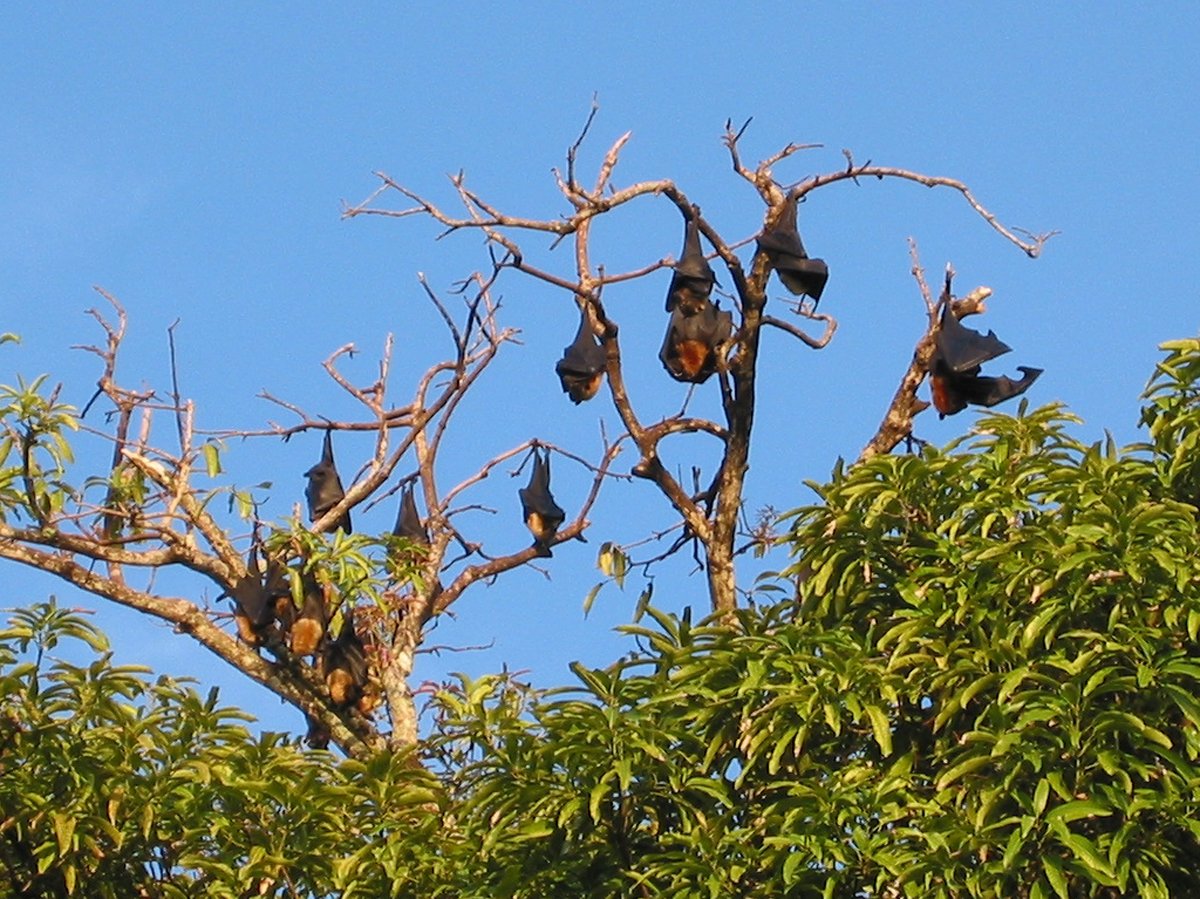
Northern NSW Local Health District (NNSW LHD) is urging residents to avoid contact with fruit bats (flying foxes) after reports of increased numbers in Northern NSW.
Bats and can carry bacteria and viruses, which can be harmful to humans, including the rare but potentially deadly lyssavirus.
North Coast Public Health Unit’s Acting Director, Greg Bell, said while there have been no cases of human infection with lyssavirus in NSW, people should still be cautious at all times.
‘You cannot tell by looking at a bat whether or not it is carrying the lyssavirus,’ Mr Bell said.
‘In 2017, four bats that bit or scratched humans or pets in NSW were confirmed to have lyssavirus infection although thankfully, none of the people involved contracted the disease.
‘People must always assume bats and flying foxes are infectious and if scratched or bitten they should thoroughly clean the wound for five minutes and seek urgent medical advice.’
Australia-wide only three cases of lyssavirus have been recorded in the last 22 years – all have been in Queensland. Lyssavirus infection can progress to a rabies-like illness, which is fatal.
Mr Bell said anyone finding an injured or distressed bat should never pick it up but call their local wildlife rescue group. Similarly, they should call a vet if pets or other animals are bitten.
‘It is very important parents, teachers and carers educate young children to stay away from bats and flying foxes, to never pick them up or disturb them, which might cause a bite or scratch.
‘Kids should also be taught to tell an adult immediately if they have been scratched or bitten so the wound can be cleaned with soap and water, antiseptic applied and a doctor called,’ Mr Bell said.
What to do if someone is bitten:
Ensure the wound is thoroughly cleaned by immediately washing the wound for at least five minutes with soap and water
Apply an antiseptic, such as Betadine
Seek urgent medical advice.
For more information, check out this fact sheet or call your local Public Health Unit on 1300 066 055.
 For four decades The Echo has printed the stories some people loved, some people hated, and some pretended not to read. If you want us to keep telling the truth, the real truth, not the sugar-coated version. We’ll need your support to keep the presses rolling.


