


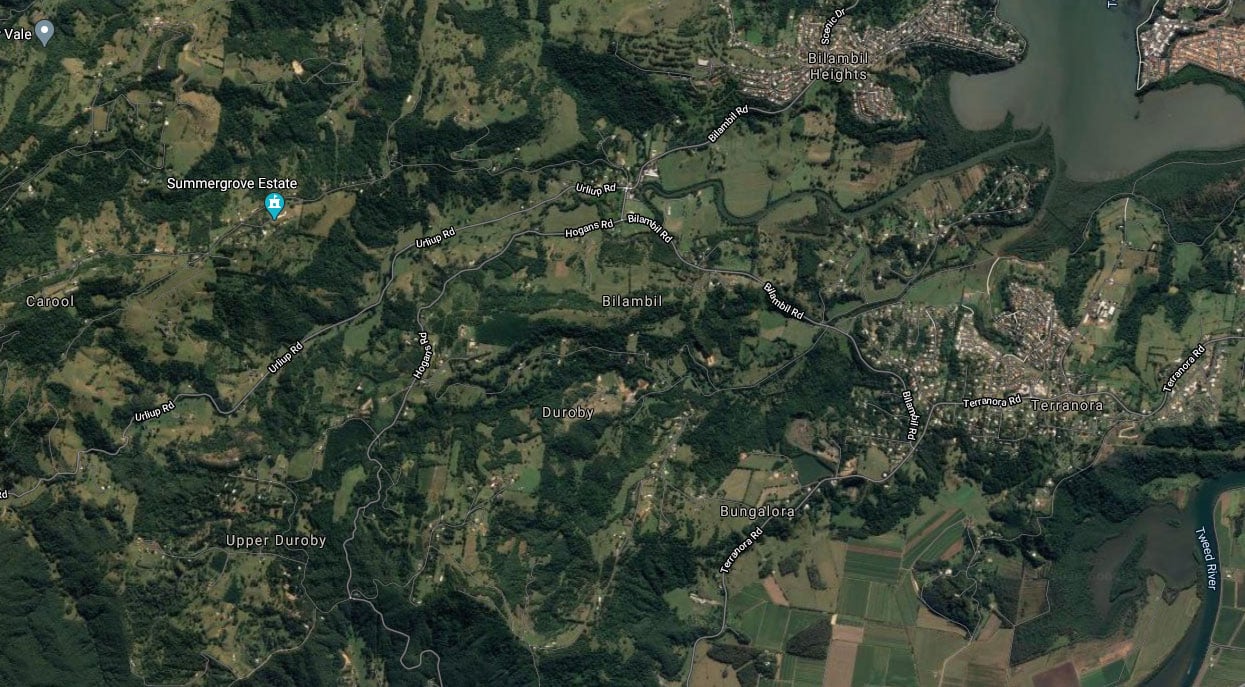
The impact of secondary dwellings on rural lots smaller than ten hectares in Tweed Shire will be discussed at this afternoons Tweed Shire Council meeting.
The Rural Housing Proposal has been put forward by conservative Crs Warren Polglase and Pryce Allsop who said that it is away to assist ‘rural land owners to financially enable their properties’.
However, Tweed Mayor Chris Cherry says that the current Rural Land Strategy approach is a good compromise between facilitating farmers use of their land and avoiding rural land conflicts.
‘Under the rural land strategy farmers can get a secondary dwelling approved for a property greater than 10 hectares. It also contains an action that makes tourist cabins easier.
Focus on the future
‘I thought we had addressed it by allowing the larger lots to do it while trying to reduce the land use conflicts for people living there who are impacted by often loud, dusty farming activities. If you are buying into rural lands you need to understand how loud cows are, how early chooks rise, or the impacts of living next to farming where there might be cane burning or spray drift.’
Cr Ron Cooper was clear that the land use conflict was already impacting rural areas.
‘We’ve already had issues with farming noise, greenhouses and fans being too close to housing that is on a neighbouring lot. They can already put housing housing on farms for holiday use for example with farm stays. I am not even happy that we have farm stays. What can happen is they make a living out of farm stays and then they want to stop people farming next door because of the impacts [cane burning and spray drift].
While Cr Allsop recognised that farms can already set up as farm stays and have a secondary dwelling that is attached to the primary dwelling he said that a separate secondary dwelling will ‘enable a better lifestyle for tenants and property owners’.
Cr Allsop explained that the drive behind facilitating secondary dwellings on small farms related to broadening the opportunities for farmers because with ‘small farms you get small income – in a lot of cases’.
‘We want to enable the farmers to have a bit of a backbone. Enable the farm to have families, start up tourist facilities. We know what has been happening hasn’t been working for them.’
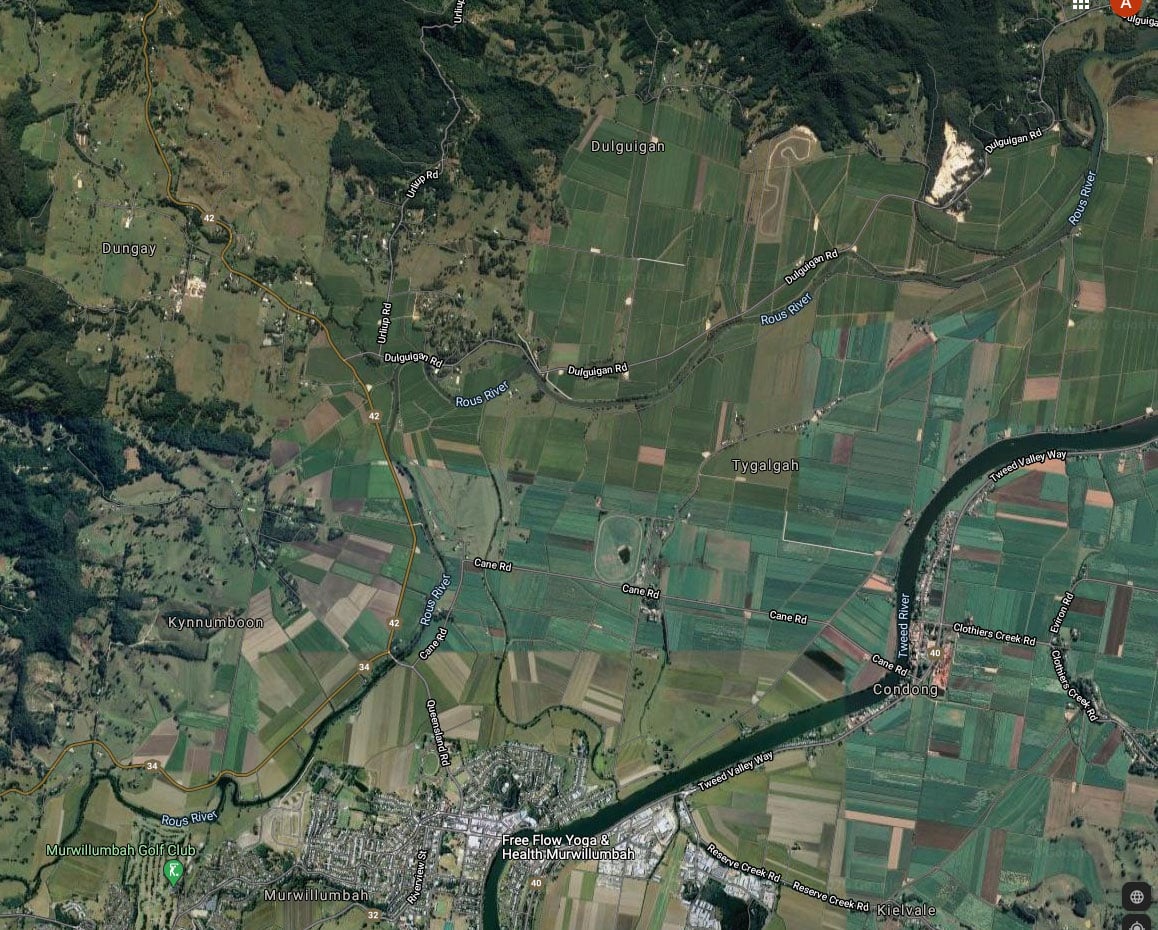
Rate increase for Tweed landowners
‘The Polglase Rural Housing Proposal means a 10 per cent rate increase for the wider community,’ said former Mayor Katie Milne.
‘Staff have advised that Cr Polglase’s proposal would ultimately allow for 4,691 new rural dwellings at a cost of $11.5M in lost rates that would have to be subsidised by the rest of the community to the tune of a 10 per cent rate increase.’
Both Crs Allsop and Polglase recognised that the proposed increase in dwellings does not increase the rate base for the Tweed Shire Council.
When addressing Echonetdaily‘s second question on the issue of increased traffic impacts on farmers and landholders that allowing more houses may have Cr Polglase terminated the phone call.
However, Cr Allsop recognised that, ‘Yes, there were going to be some issues going forward’ but that he felt these could be worked out.
Carving up land
‘This proposal would also cause massive upheaval for our farming community as the impact of residential dwellings are a major cause of conflict for farming operations,’ Ms Milne said.
‘Tweed Shire has already suffered from a major carve up rural land prior to 1987 which has resulted in 50 per cent of lots being less than three hectares, nearly 60 per cent less than five hectares, and 73 per cent less than 15 hectares.’
Councillor Cooper highlighted the fact that the future is uncertain and that the shire cannot afford to lose more farming potential.
‘There will be more types of farming in the future like hydroponics and we will need these areas for farming,’ he told Echonetdaily.
Mayor Cherry agreed saying that, ‘If COVID has taught us anything it is that local food production is really important. Older farmers could lease their land to younger farmers who want to actually produce local food. There is a huge a huge demand in our community for it.
‘I think these proposals are a very short sighted view and are not focussed on agriculture use of land. Once you build houses on useful agricultural land it is gone. We need to protect it – especially in an area that we have proper rain fall.’
Best interest of the community?
‘Whilst I have sympathy for the rural land holders who would like a second dwelling the cost to the rest of the community, including the pensioners in town who are already struggling to pay their rates is too great, and the future of farming in Tweed would be in real jeopardy,’ said Cr Milne.
‘There are of course also serious implications for the scenic amenity and tourism integrity of our rural landscape, the health of our waterways with twice as much sewerage load, impacts to our wildlife in doubling the rural population, as well as the extra strain this will put on the road network and all other services.
‘We must put the greater good of the Tweed Shire ahead of the personal benefit for individual landholders.’
Mayor Cherry also emphasised the importance of putting the long term interests of the community before short term gains saying that, ‘I do feel like there is some quite extensive lobbying going on from people who personally are looking to have financial gain out of this. We have to be very carefully as councillors that we are not being lobbied and making decision in relation to private financial gain.’
The Tweed Shire Council meeting will be available to watch via their website from 4pm today.
 For four decades The Echo has printed the stories some people loved, some people hated, and some pretended not to read. If you want us to keep telling the truth, the real truth, not the sugar-coated version. We’ll need your support to keep the presses rolling.


