

13.8 C
Byron Shire
June 21, 2026

SCU named as partner in two national drought hubs

Latest News

The NT intervention laws that shape lives

This Sunday marks 19 years since the then Howard Government announced the Northern Territory Intervention laws – ‘The Intervention’ began with a media release by Mal Brough, Minister for Indigenous Affairs, on June 21, 2007.

Other News

Flood gauges installed in Ballina and Wardell 

Residents in Ballina and Wardell will have more more localised flood warnings, giving them time to prepare before floodwaters arrives, thanks to new flood forecast services along the Richmond River.

New bus services for Tweed and Murwillumbah

From 29 June, 175 additional weekly bus services will be added to Tweed and Murwillumbah routes.

Will council support community participation in MHS development?

This Thursday (today), Byron Shire Council (BSC) will be discussing the establishment of a memorandum of understanding (MoU) between Byron Shire Council and Homes NSW (HNSW) as well as the potential for a Community Assessment Panel for the old Mullumbimby Hospital site.

WAVE – I Have Friends Everywhere

The closing date for entries is in October, so this is a callout for all design artists, fashion innovators, culture initiators and wearable inventors.

Police chase stolen vehicle in Tweed, man charged

Police say a man will face court today charged after an alleged pursuit in a stolen vehicle at Tweed Heads yesterday morning.

The NT intervention laws that shape lives

local filmmaker Sinem Saban will be presenting back-to-back screenings in Murwillumbah of her two award-winning films that not only expose draconian Australian intervention policies, but also present the catastrophic fallout from these laws that have been unravelling in Aboriginal communities to this day.

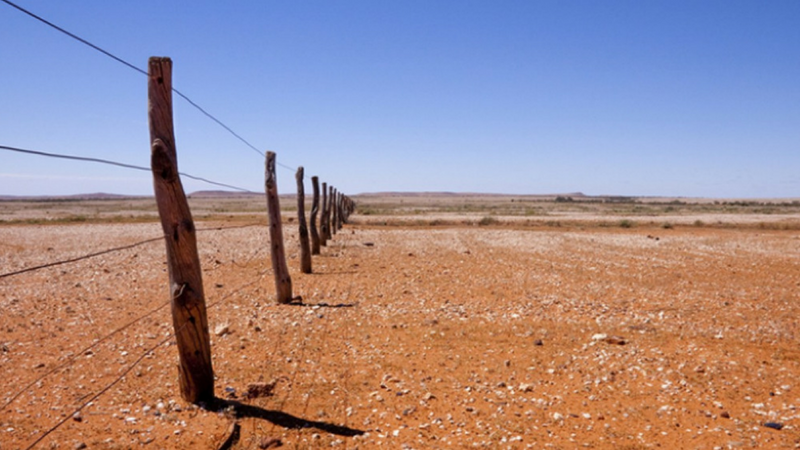
Drought affected country in NSW. File photo.

Southern Cross University has been announced as playing a crucial partnership role in two new Drought Resilience Adoption and Innovation Hubs.

Southern Cross will have a ‘knowledge broker’ role in Hubs located in Southern Queensland/Northern New South Wales and in Tasmania – translating research into practice to help primary producers and rural and regional communities prepare for future droughts.

The Australian Government will invest $64 million over eight Hubs across the country that will bring together the expertise of farmers, researchers and Indigenous knowledge owners to co-design and deliver innovative projects and practices to boost drought resilience and agricultural productivity.
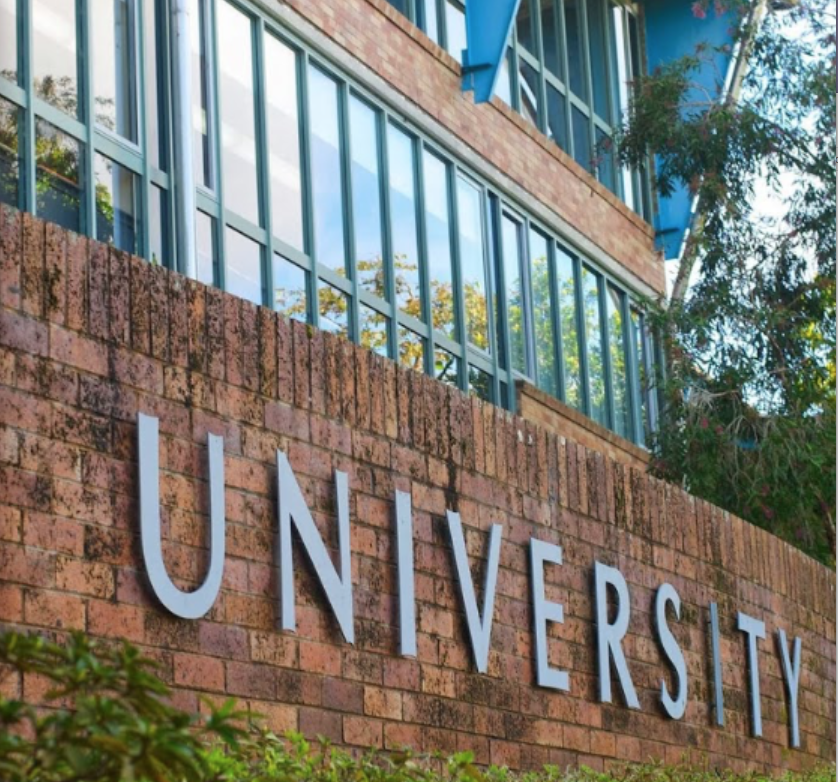
SCU Lismore campus. File photo.

Partners

Southern Cross University is partnering with the University of Southern Queensland (USQ) which heads the Southern Queensland/Northern New South Wales Hub headquartered in Toowoomba with nodes in Stanthorpe, Roma, Longreach, Narrabri and the Southern Cross University campus in Lismore.

The Australian Government will invest $8 million in the USQ-led Hub over four years, with more than $11 million contribution from hub members.

Southern Cross will also partner with the University of Tasmania which has the lead role in the Tasmanian Hub, adopting a multi-stakeholder approach for drought resilience, optimal water management and self-reliance.

The Tasmanian Hub is supported by partner co-contributions of $13.2 million over four years, including more than $1 million in funding from the University of Tasmania.

Southern Cross will translate research into on-the-ground impact by working with research clusters of farmers and consultants and offering primary producers extension services and innovative education in regenerative agriculture.
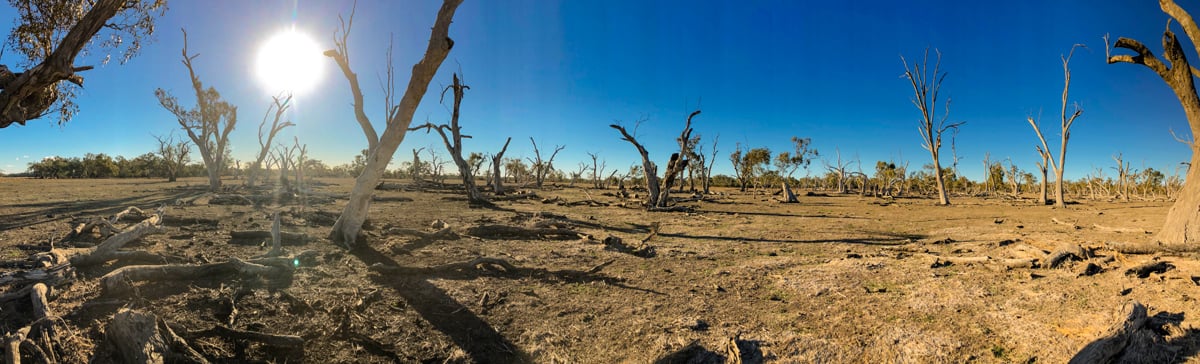
Drought affected Macquarie Marshes in Western New South Wales. Photo Tree Faerie.

Expertise shared

Ben Roche, Vice President of Engagement at Southern Cross University, said ‘Southern Cross is excited to partner with the University of Southern Queensland and University of Tasmania and apply our awarded expertise in knowledge exchange to help each Hub translate existing research into practice in ways that empower primary producers to become more resilient to drought in their specific bioregion.’

Lorraine Gordon is Director of Strategic Projects at Southern Cross University and Founder of the Regenerative Agriculture Alliance. Photo supplied.

Lorraine Gordon, Director of Strategic Projects at Southern Cross University, said ‘as hot and dry conditions increase, it will take collaboration to address the complexity of challenges associated with drought.

‘We are pleased to offer collaborative and capacity-building expertise to equip farmers with the knowledge and skills for continued productivity and self-reliance.’

The Drought Resilience Adoption and Innovation Hubs are the centrepiece of the Commonwealth’s $86 million Future Drought Fund Research and Adoption Program, which in turn is funded by the government’s $5 billion Future Drought Fund.

The remaining six hubs will be located in Southern NSW, Far North Queensland, Victoria, South Australia, the Top End and south-west WA.



For four decades The Echo has printed the stories some people loved, some people hated, and some pretended not to read. If you want us to keep telling the truth, the real truth, not the sugar-coated version. We’ll need your support to keep the presses rolling.

If you are a local business owner help us and in turn we help you. All The Echo asks for is advertising, not a free ride. It is every advert in The Echo and on www.echo.net.au, which creates the space for all the stories and coverage of community events, happenings and concerns.

If you are a reader you can become a sponsor of The Echo. Your support keeps the us independent.

Even a small one-off or regular donation from you will help keep the echo’s independent voice alive and strong.

Support Us

Become one of the supporters who helps keep independent, local journalism alive in the Byron Shire by contributing anything from as little as the cost of a coffee each month.

You're Wonderful, Thank you for supporting independent journalism in the Byron Shire

You’re supporting The Echo, thank you

Your contribution is keeping independent, local journalism alive in the Northern Rivers.

Because of supporters like you, we can keep every story free for everyone — no paywall, no exceptions. Your money goes directly to funding our newsroom of 40-odd local workers covering the stories that matter to this community.

Tell us what you think, give us your opinion

The Echo loves your letters and comments and is proud to provide a community forum on the issues that matter most to our readers and the people of the NSW north coast. So don’t be a passive reader, email us your epistles at editor@echo.net.au.

The letters deadline for The Echo is noon Friday. Letters longer than 200 words may be cut. The publication of letters is at the discretion of the letters editor. Please remember to include your full name, address and telephone number.

Online comments are no longer available.

Hemp industry given boost with development plan

A Hemp Industry Development Plan has been announced by the NSW government, which promises 'to unlock new opportunities for NSW businesses and add value to the state's low-THC hemp industry, which is forecast to become a $100 million Australian industry by 2032'.

Gambling harm recognised by Tweed Council, supported by Wesley Mission

Faith-based, not-for-profit organisation providing community services in NSW, Wesley Mission, has welcomed Tweed Shire Council’s decision to publicly recognise the impact of gambling harm and advocate for stronger harm-minimisation measures.

Winter Warmer fundraiser for homelessness

The annual Winter Warmer Homelessness Relief campaign, hosted by Dharma Care, will return for 2026 with cabaret at Salt, Kingscliff, on Thursday 2 July, headlined by comedian Mandy Nolan, interactive performance artist The Space Cowboy and the Kinship Doobai Dancers, with a Welcome to Country from Aunty Jackie.

Tweed Shire Council presents flood resilience series – part one

Over the coming weeks, Tweed Shire Council will present a flood resilience series, which looks at how 'Tweed's story is different from the standard flood recovery narrative and what happened next'.

