


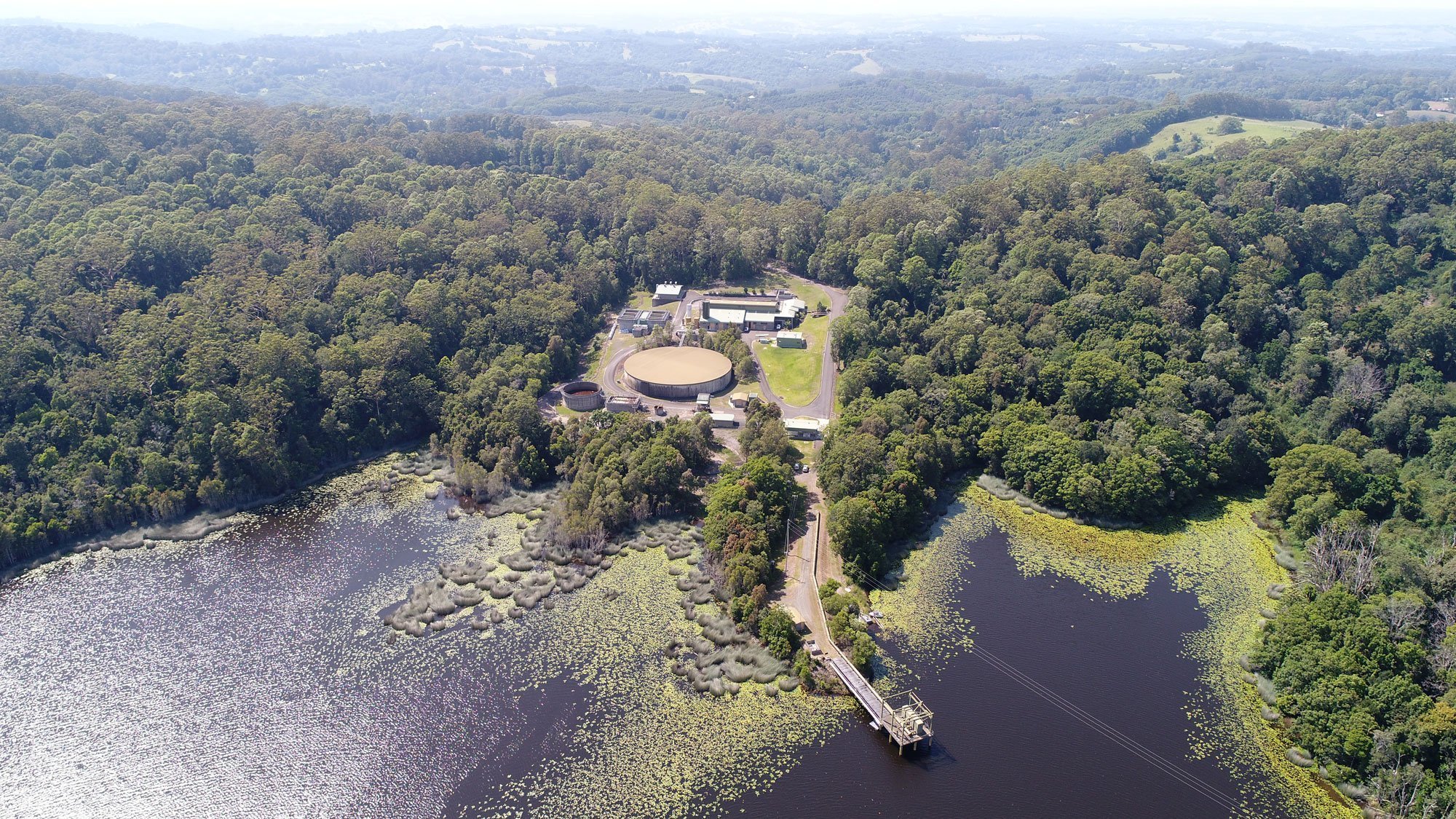
As two professional engineers, each with over 40 years of experience in the water industry, we support Rous County Council’s decision to start tapping into underground water resources to meet the growing water supply needs of our region.
We note however, that Ballina Shire Councillors Sharon Cadwallader, Eion Johnston, Phillip Meehan, Stephen McCarthy, Sharon Parry and Ben Smith do not seem to support the Rous Water strategy.
Instead they voted earlier this year in favour of further investigation of the Dunoon Dam, which in 2020 was estimated to cost $220 million. The dam is actually sized to meet a 70 per cent increase in population, but that cost would have to be funded by the present ratepayers – even though we already have enough water for our present needs.

What is a dam?
It is a barrier on a watercourse that floods land, takes water from a river, and prevents the travel of species along the watercourse. This flooding and disruption has a cost. It may not be apparent to a coastal town like Ballina, but Ballina’s fishery is dependent on the health of that river.
Also, in addition to flooding significant cultural heritage sites, this dam requires clearing 57 hectares of predominantly native vegetation including Big Scrub Rainforest.
According to Wikipedia, ‘the Big Scrub was the largest area of subtropical lowland rainforest in eastern Australia. It was intensively cleared for agricultural use in the 19th century by settlers. Less than one per cent now remains’.
The dam will also remove habitat and corridors for a range of important species – for example the koala, glossy-black cockatoo and platypus.

What does our future bring?
All the science points to longer and deeper droughts, plus more intense rainfall events. This is what we will have to live with. This leads to the consideration of water resilience and what it means. In short, it means that water supply sources, to cope with a growing population and a more difficult climate, need to be independent of rainfall.
Aquifer sources are ultimately dependent on rainwater, but have, in our case, large storage areas that do not evaporate. They are therefore more resilient than a dam and yet they offer us a lower-cost resource than the dam option.
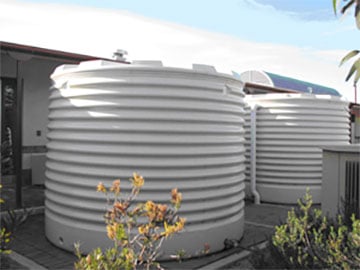
Independent of rain
The two main sources of water that are truly independent of rainfall are recycling and desalination. Neither is cheap when it comes to energy, but then neither is a dam when you count the energy required to build one.
Desalination uses about 3kW hours of energy per kilolitre of water produced, which is ample for the daily needs of a family of five. By comparison, a small electric household hot water system uses about 5kW hours per day. Potable recycling uses even less energy.
Given the low cost of solar power, desalinated water could be produced at a lower cost than dam water. One of the other key advantages of desalination, recycling and groundwater is that they can be scaled up to meet population growth and they can be deployed together to provide us with more flexibility to respond to changes in climate and technology.

Danger of one solution approach
By comparison, the Dunoon Dam, which is intended to be located immediately downstream of the existing Rocky Creek dam, is a case of putting all of our eggs in the one basket – it provides very little scope to respond to future challenges and it represents a risky strategy with a high upfront cost.
We say to the councillors, let Rous Water provide Ballina Shire with the cheapest and best water supply possible when all of the considerations are taken into account.
 For four decades The Echo has printed the stories some people loved, some people hated, and some pretended not to read. If you want us to keep telling the truth, the real truth, not the sugar-coated version. We’ll need your support to keep the presses rolling.


