



Following an election like no other, Australia looks set to change course on climate and corruption, with the Coalition’s Scott Morrison being prised from office and Anthony Albanese about to form a new Labor government with the support of Greens and teal independents.
The popular vote across the country was split approximately three ways, with the Labor Party receiving slightly less first preference votes than either the LNP or third parties (if considered as a bloc). Thanks to the magic of preferences however, the ALP will have the numbers to lead the country, probably in minority.
Mr Albanese said the incoming government would be ‘as courageous and hardworking and caring as the Australian people are themselves’.
As of this morning, the electoral commission are saying Labor has won 75 seats, just shy of the magic 76 needed to govern in majority (up from 68), with the Coalition holding 57 (down from 77). The ABC is saying the split is 72:52, with 15 seats in the ‘other’ column.
These numbers are all going to change later this morning when the boffins and their computers get back to work.
The future is female
There will be more women in the next parliament (likely an additional seven), but probably not Richmond’s Greens candidate Mandy Nolan, although she won a remarkable 20,785 votes (as of this morning’s count) on her first outing, which represents a 5% swing to the Greens locally. Read more here.

Preference flows will be crucial to the ultimate result in this three-cornered contest.
During the ABC’s election night coverage, Richmond was only mentioned briefly, with Antony Green initially calling it for Ms Nolan, before becoming flustered and saying his computer had it wrong, and not returning to further discussion of the seat for the rest of the night.
This wasn’t the only time the ABC’s election expert was thrown off his game on Saturday night, with the updated election prediction software still unable to cope with a national electorate apparently transforming from a two party system.
In an election night with more twists and turns than a multiverse drama, there was rejoicing in many places as powerful Morrison minister Peter Dutton appeared to be history at the hands of a strong Labor/Greens attack, but was then resurrected by better numbers as the night progressed, ultimately giving a speech to his electorate of Dickson with his family standing grimly by his side.
Parachuted ALP candidate Kristina Keneally was soundly rejected by voters in Western Sydney in favour of local independent Dai Le.
Marion Scrymgour retained Lingiari in the NT for Labor.
Winners and losers
While Anthony Albanese’s campaigning efforts in Tasmania yielded no seats, Western Australia (courtesy of the Mark McGowan effect, with a bit of help from disgraced former Attorney-General Christian Porter), delivered massively for the ALP.
The Labor Party comfortably won seats across WA including Swan, Pearce and Hasluck, with a spectacular 10% swing. On TV networks across the country, ALP figures visibly relaxed as the red wave from WA swept in.
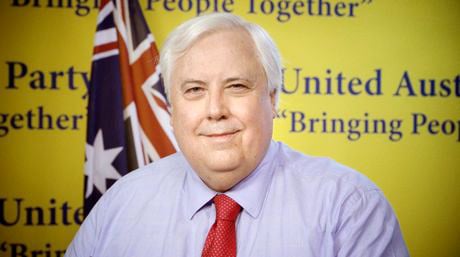
Clive Palmer’s estimated $100m fear and ‘freedom’ spend counted for little this time, with UAP leader and former Liberal and furniture salesman Craig Kelly losing his seat of Hughes in Sydney.
In Queensland, Mr Palmer failed to gain a quota to enter the Senate. UAP voters appear to have spread their preferences more widely than they did in 2019, when they delivered victory to the Coalition.
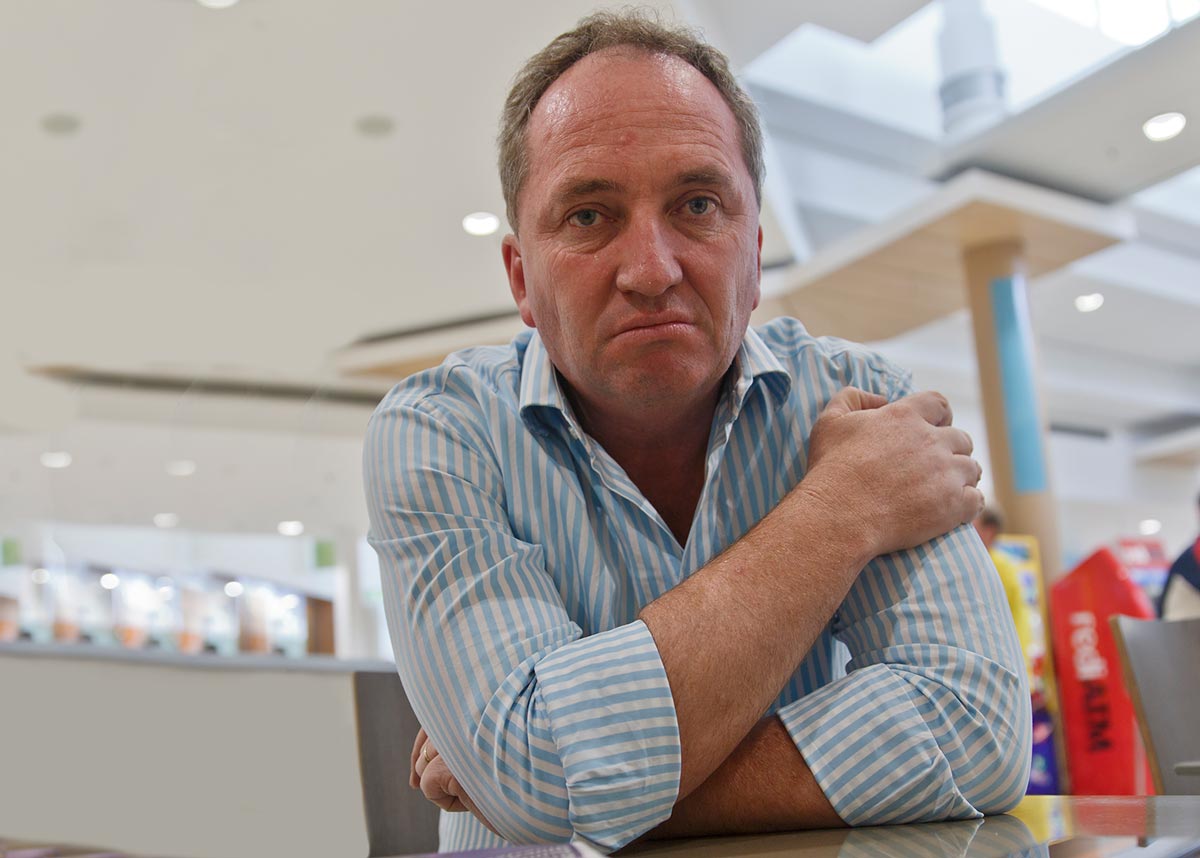
Despite the Liberals’ bloodbath on Saturday night, Coalition partner The Nationals comfortably held on to all their seats, including Barnaby Joyce in New England, Matt Canavan in the Senate, and Kevin Hogan in Page, whose majority actually increased by 3.5%, despite his electorate encompassing Lismore and some of the worst flood damage in Australia, all made worse by the ongoing climate crisis.
Green and blue and in between
The biggest story of the night was the rise of the teals and the Greens in the east coast cities, with voters concerned about climate and integrity issues terraforming the Australian political landscape by capturing former Liberal and Labor strongholds.
Liberal Treasurer and heir apparent Josh Frydenberg lost Menzies’ old seat of Kooyong to Dr Monique Ryan. In Melbourne’s Goldstein, a seat named for a pioneering suffragette, Tim Wilson lost his blue ribbon seat to former ABC foreign correspondent Zoe Daniel.
Teal candidate Sophie Scamps comfortably took Pittwater, on Sydney’s Northern Beaches, formerly held by Bronwyn Bishop, and Zali Steggall increased her dominance in Tony Abbott’s former stronghold Warringah. Dave Sharma will be spending more time with his stockbroker after losing Malcolm Turnbull’s old seat of Wentworth to Allegra Spender.
In Victoria, in the place where kitchen table politics began, independent Helen Haines returned to Sophie Mirabella’s former seat of Indi with an increased majority, and over in South Australia, teal candidate Jo Dyer’s preferences got Labor over the line in Boothby.
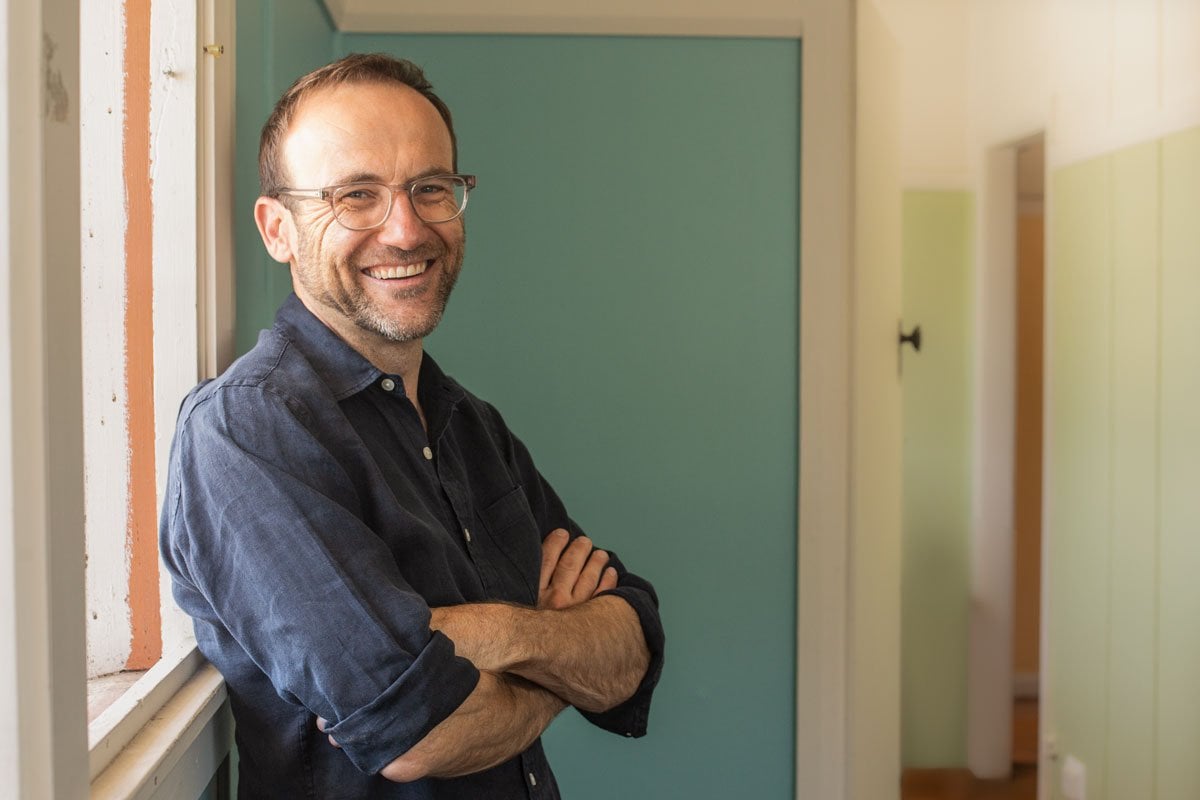
In what has been described as a ‘greenslide’, the Greens’ Federal Leader Adam Bandt is likely to be joined in the House of Representatives by two or more Greens members from flood-ravaged parts of Brisbane, as well as new Greens senators.
Solid additions to the Greens team so far include Elizabeth Watson-Brown from Ryan and Max Chandler-Mather from Griffith, with more likely to follow as counting continues. Mr Bandt said, ‘People have delivered a mandate for action on climate and inequality.’
More miracles
Speaking in Sydney, Scott Morrison was gracious in defeat, conceding earlier than he strictly had to, and handing the reins of government over in time for the fast-approaching Quad meeting in Japan. He said he would be remaining in politics but stepping down as leader.
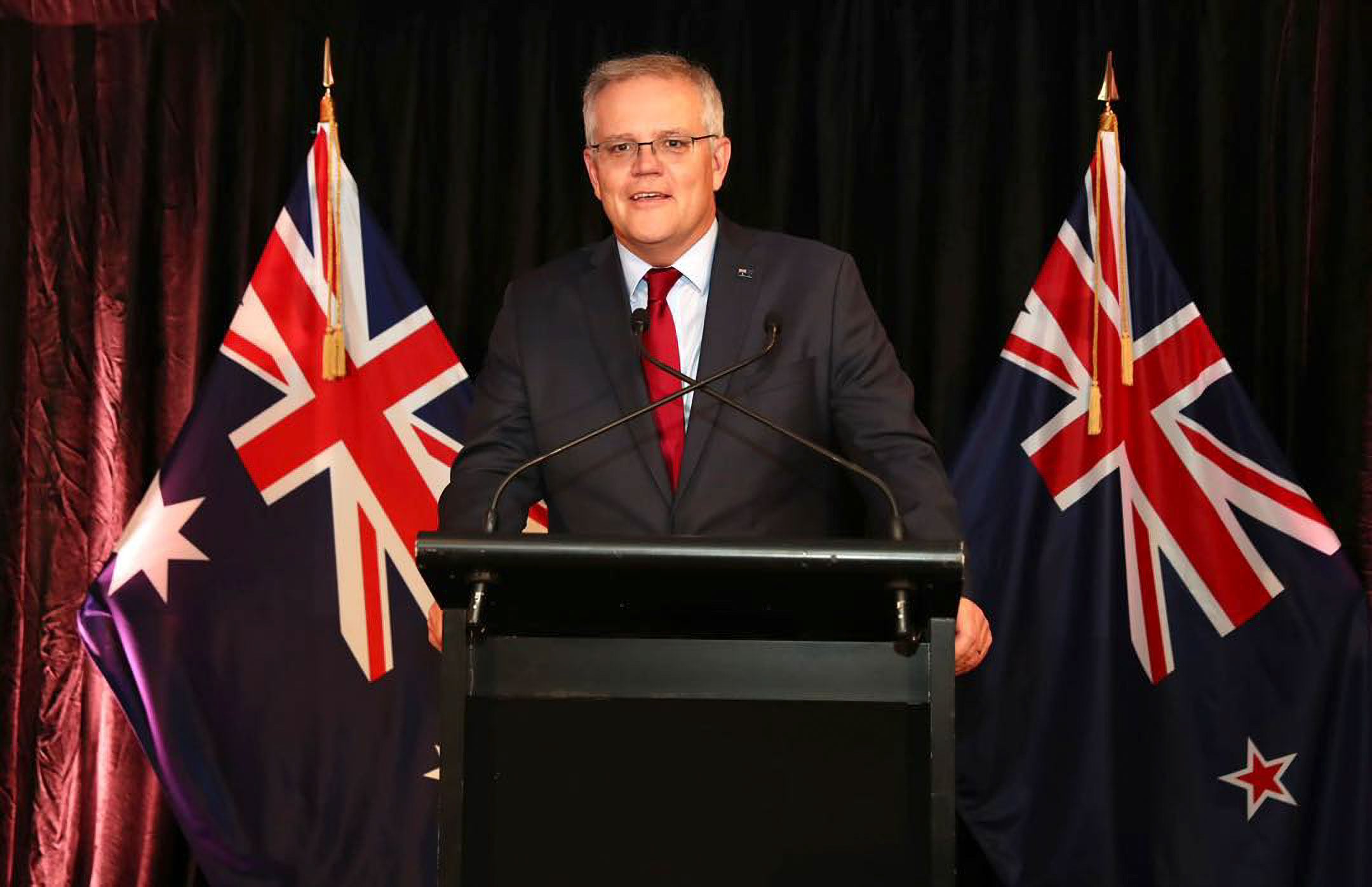
The former PM also managed to cause more offence on the way out, waxing lyrical about people in khaki uniforms and his own staff while forgetting nurses, teachers, and others who don’t wear high-vis.
Mr Morrison said he still believed in miracles, which turned out not to be a reference to Mr Albanese’s win, but to his wife and daughters standing beside him.
Anthony Albanese’s victory speech was big on heart and short on polish, putting the Uluru Statement front and centre, as he did in his recent speech to the National Press Club. He seems determined not to fall into the same trap as his hero Bob Hawke by neglecting Australia’s First Nations People.
He also spoke about strength in compassion, helping the less fortunate, and finally getting serious about aged care and child care, while looking to new opportunities as a united country.
‘Together we can end the climate wars,’ said Mr Albanese. ‘Together we can take advantage of the opportunity for Australia to be a renewable energy superpower. Together we can work in common interests with business and unions to drive productivity, lift wages and profits.
‘I want an economy that works for people, not the other way around,’ he said.
Anthony Albanese is being sworn in as Australia’s 31st Prime Minister this morning.
Upper house
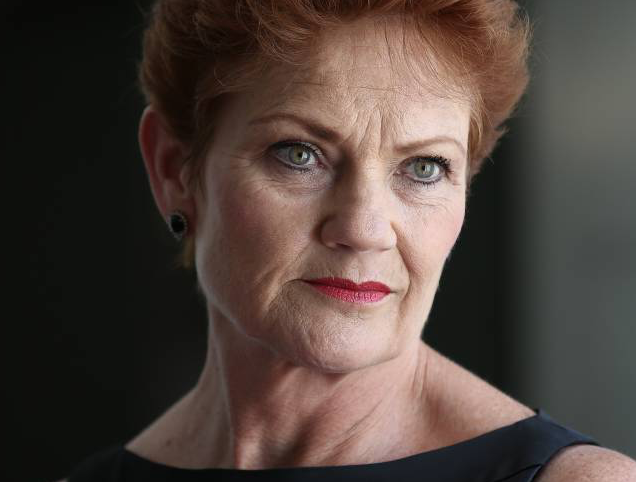
In the Senate, Pauline Hanson appears to be in some trouble, with potential new faces including a second Queensland Green, Penny Allman-Payne, and Bernard Bradley from Legalise Cannabis Australia, who outpolled both former premier Campbell Newman and Clive Palmer.
Independent climate activist and former rugby player David Pocock upset the traditional red-blue split in the ACT by becoming the favourite to take the Liberal spot as counting continues.
Despite repeated claims that they would not negotiate on the policies they took to the election, Anthony Albanese’s government is going to have to deal with the largest and most green-tinged cross-bench in Australia’s history.
Most of the newcomers have much higher ambitions than the ALP when it comes to climate, and the National Party will no longer have the power to be a drag on this process.
Although Mr Albanese is no friend of the Greens, particularly after some bruising encounters in his own seat of Grayndler, his previous experience managing legislation in the minority Gillard Government should stand him in good stead to work with the cross-bench. He will be joined in this by the equally experienced Tony Burke, along with Penny Wong in the Senate.
One thing the ALP leadership and most of the new members of parliament agree on is the urgent need to act on corruption at a federal level, including retrospectively.
Several ministers in the former Morrison government now face a nervous wait for the promised formation of a federal ICAC with teeth, due later this year.
 For four decades The Echo has printed the stories some people loved, some people hated, and some pretended not to read. If you want us to keep telling the truth, the real truth, not the sugar-coated version. We’ll need your support to keep the presses rolling.


