

18.8 C
Byron Shire
June 24, 2026

Editorial: Building flood resilience

Latest News

NSW budget and the Northern Rivers

The Minns government says it's handed down a budget which locks in major funding for North Coast health infrastructure, alongside targeted cost-of-living relief designed for regional households and disaster recovery, as locals continue to face higher costs.

Other News

Shark culls not the answer

It has been a confronting and devastating year with a 12-year-old killed by a shark in Sydney and another shark attack in Coogee over the weekend. The NSW government has said there is nothing off the table in response to the latest shark incident. But it is vital that we don’t just start going out there and randomly culling sharks.

Momentum hosts free skate workshop for girls and women

Whether you are stepping on a skateboard for the first time, sharpening your skills or getting ready to compete, a free school holiday workshop is being offered to all female skaters up to 25 years.

Hemp industry given boost with development plan

A Hemp Industry Development Plan has been announced by the NSW government, which promises 'to unlock new opportunities for NSW businesses and add value to the state's low-THC hemp industry, which is forecast to become a $100 million Australian industry by 2032'.

Putting their money where their mouth and conscience is

Climate action group Rising Tide say they will disrupt business at Tweed City ANZ today, as local long-term customers withdraw their life savings from the bank.

Digital age

When travelling these days there is a lot of cards come and go. They are like a business card...

Mullum water supply, a new twist

Debates on the future of Mullumbimby’s water supply took a new twist at Council’s meeting on 18 June. The latest...

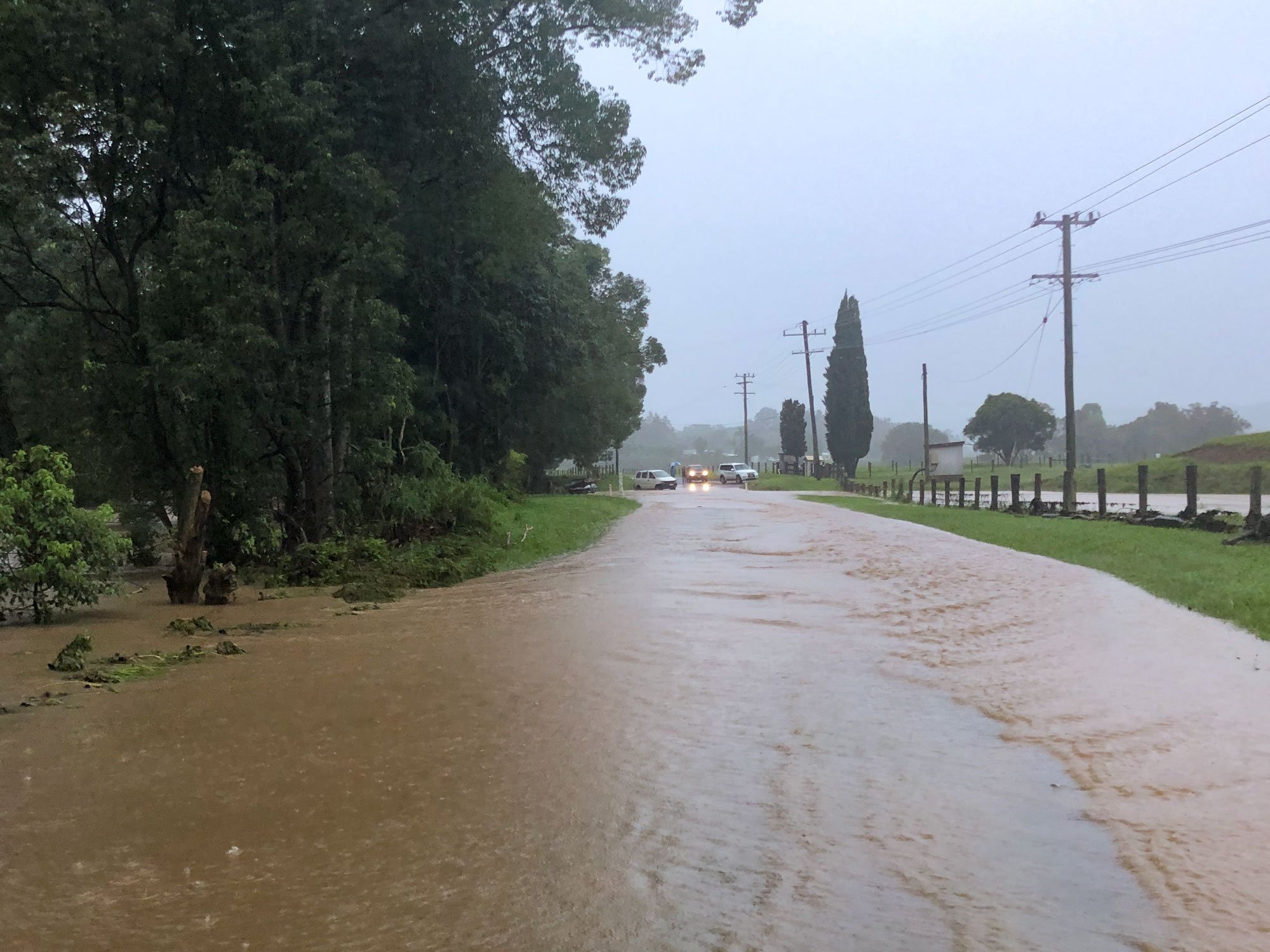
Cars wait for floodwater to recede from the road. Photo Aslan Shand.

Resilience is a word bandied about a lot these days. From fires to floods we are being told to build ‘resilient communities’, but it is not just the human aspect that needs resilience. It is also the infrastructure.

The devastation experienced across the Northern Rivers and the east coast of Australia over this year has reinforced the need for communities to look to flood-resilient infrastructure that ‘makes space for water’, rather than assuming that everything needs to be floodproof. This is not a new idea. In 1945 Gilbert Fowler White, known as the ‘father of floodplain management’ criticised the reliance on engineered flood defences according to David Proverbs and Jessica Lamond in their paper on Flood Resilient Construction and Adaptation of Buildings.  

Living, as I do, in the hinterland of Byron Shire, it is easy to see the outcomes of attempts from the 1950s onwards to ‘floodproof’ roads, bridges, housing and other infrastructure by bringing them up above predicted floodwater levels. The unfortunate legacy means that floodwater that once spread over a wide area, the floodplain, is now dammed by bridges, roads and other ‘floodproof’ infrastructure that channels water, speeding it up and creating significant damage.

The question now is, what should we be aiming for in the future? Especially in an era of climate change where, for every degree centigrade of warming, there is a seven per cent increase of water vapour entering, and falling from, the atmosphere.

According to Proverbs and Lamond there are three approaches: avoidance, i.e. not building in flood-prone land; water exclusion; and water acceptance. When we are talking about flood-proofing or flood-resistance we are talking about water exclusion, creating environments and infrastructure that floods won’t impact on or breach; a house or a road that never floods, for example.

However, flood resilience, or water acceptance, refers to recognising the environmental impacts of flooding, and working within that context by making space for water. That means recognising that where a road, bridge or building is placed, it might flood because of its location, but when the floodwater recedes that road etc is not, or is minimally, damaged. It is about building so a natural system can bounce back to its previous state quickly.  

As one local put it, ‘I know the water comes up and goes down; I don’t need a “floodproof” road just so I can pop down to town for a latte. If needs be I can wait a few days till the floodwater clears’.

Aslan Shand,  editor

Previous articleThe warm and fuzzies
Next articleEmergency housing


For four decades The Echo has printed the stories some people loved, some people hated, and some pretended not to read. If you want us to keep telling the truth, the real truth, not the sugar-coated version. We’ll need your support to keep the presses rolling.

If you are a local business owner help us and in turn we help you. All The Echo asks for is advertising, not a free ride. It is every advert in The Echo and on www.echo.net.au, which creates the space for all the stories and coverage of community events, happenings and concerns.

If you are a reader you can become a sponsor of The Echo. Your support keeps the us independent.

Even a small one-off or regular donation from you will help keep the echo’s independent voice alive and strong.

Support Us

Become one of the supporters who helps keep independent, local journalism alive in the Byron Shire by contributing anything from as little as the cost of a coffee each month.

You're Wonderful, Thank you for supporting independent journalism in the Byron Shire

You’re supporting The Echo, thank you

Your contribution is keeping independent, local journalism alive in the Northern Rivers.

Because of supporters like you, we can keep every story free for everyone — no paywall, no exceptions. Your money goes directly to funding our newsroom of 40-odd local workers covering the stories that matter to this community.

Tell us what you think, give us your opinion

The Echo loves your letters and comments and is proud to provide a community forum on the issues that matter most to our readers and the people of the NSW north coast. So don’t be a passive reader, email us your epistles at editor@echo.net.au.

The letters deadline for The Echo is noon Friday. Letters longer than 200 words may be cut. The publication of letters is at the discretion of the letters editor. Please remember to include your full name, address and telephone number.

Online comments are no longer available.

Appeal to locate missing woman

Police are appealing for public assistance to locate a woman missing from the Kempsey area.

Citizen science last line of defence for threatened species

Native forest logging is again in the spotlight in NSW, following Monday night’s Four Corners investigation into Forestry Corporation NSW’s failure to protect nationally endangered species.

Site confirmed for future high school at Pottsville

The NSW government says it has secured a site for a future high school in Pottsville, delivering on its commitment to future-proof public education for the growing Tweed community in the Northern Rivers.

Eleven winners at Byron Bay Herb Nursery

The Byron Bay Herb Nursery continues to create constructive pathways to achievement with twelve students from Byron Bay Herb Nursery’s disability support program recently graduating with a Certificate II in Horticulture.

