


After an hour’s debate, Ballina Shire Council voted to adopt its own Corporate Emissions Reduction Plan at its last meeting.
Proceedings opened with a deputation from Kevin Loughrey, who said global warming was a hoax and therefore Ballina Council had no reason to try to reduce emissions. This was followed by a deputation from Sarah King (Ballina Environment Society) who thought the emissions reduction plan was a great idea, as the climate emergency was accelerating fast.
The Corporate Emissions Reduction Plan (CERP) is a pathway for Ballina Council to reach its 2030 climate change targets via multiple actions and improvements across council operations.
This emerged from Ballina Council declaring a state of climate emergency in 2019, and is a pathway to achieve net zero by 2030, with ramifications for Council’s Delivery Program and annual Operational Plans.
Delay and question
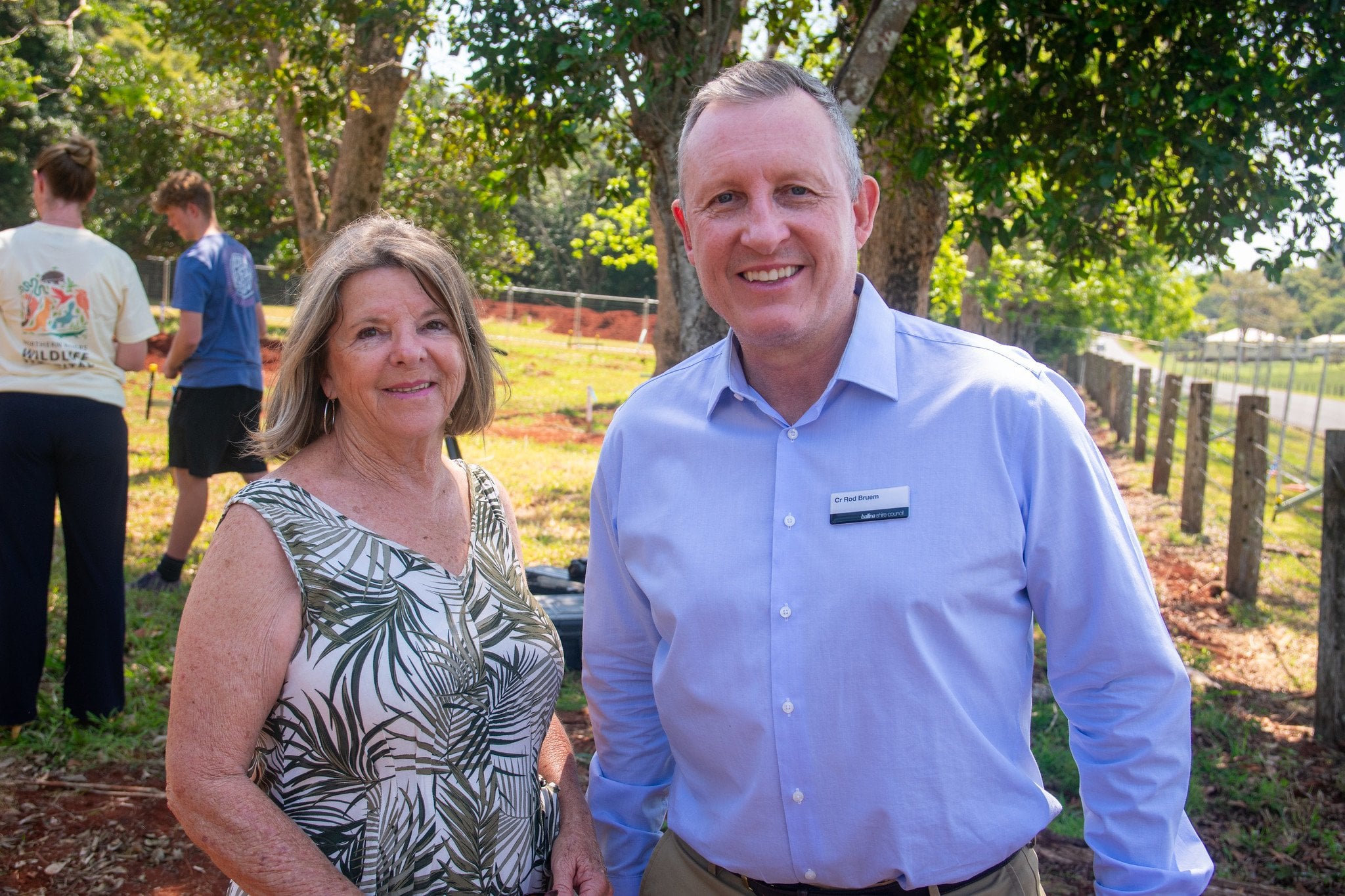
Cr Rod Bruem (supported by Cr Eva Ramsey) moved to suggest that the CERP be deferred, investigate cost implications for ratepayers, and align the local target with that of the NSW government. This motion found no support, and was lost.
Questions to staff revealed Ballina Council was planning to do a number of things to make their operations more sustainable and reach an ‘aspirational target’, including sourcing electricity from renewables, making pumps more efficient, installing solar panels on top of infrastructure, replacing inefficient lighting, transitioning petrol/diesel vehicles to electric, and purchasing offsets.
Cr Phil Meehan admitted he’d had ‘a lot of trouble coming to grips with many aspects of climate change’ but increasingly shared the concerns of younger people who were worried that not enough was being done to protect their future.
Success in other jurisdictions
Cr Simon Chate talked about the great success story of Blacktown Council going carbon neutral, and said the plan prepared by Ballina Council staff was an excellent document, ‘thoroughly researched and prepared with a great deal of knowledge and expertise’.
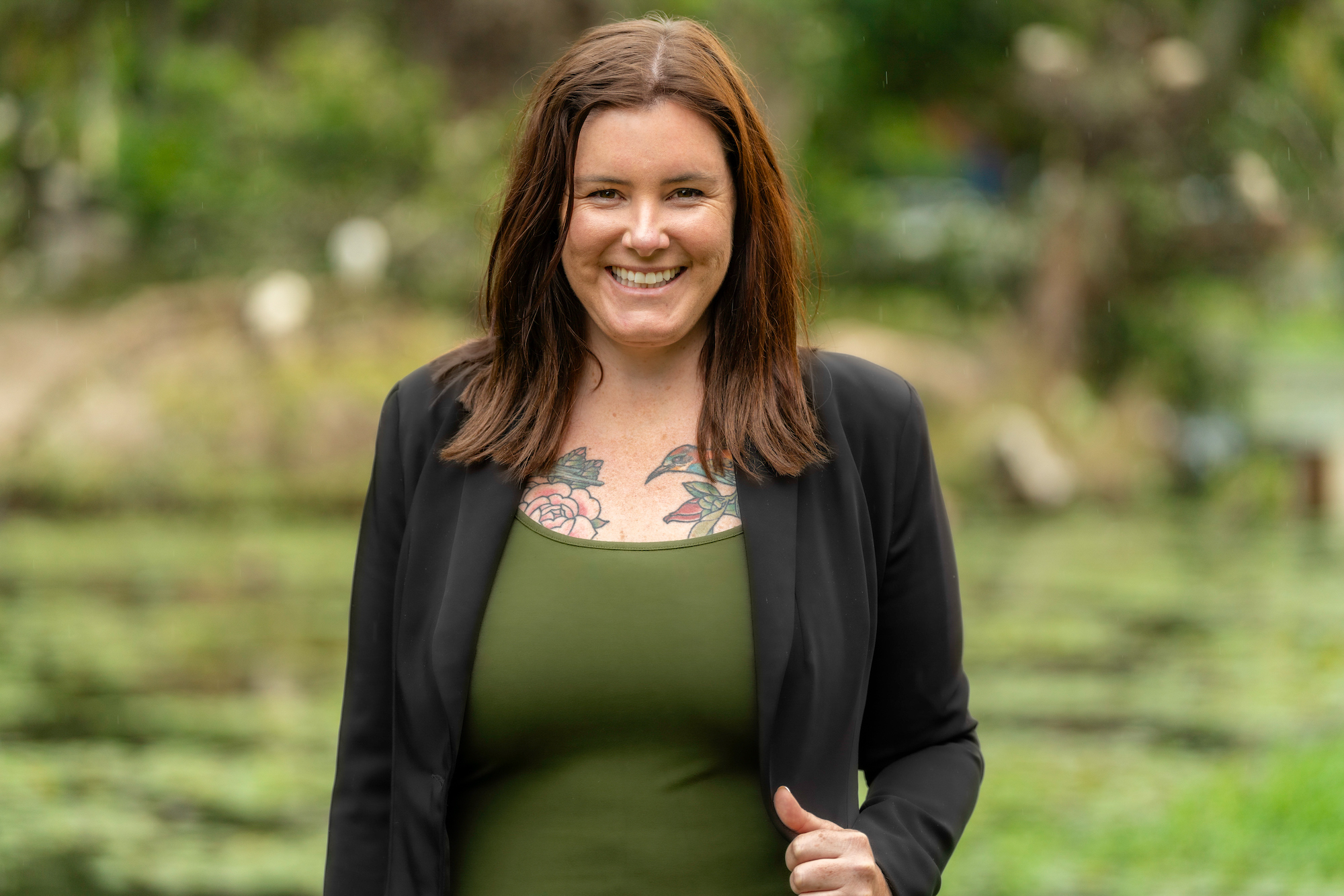
Cr Kiri Dicker noted the particular risks for the Northern Rivers as the climate crisis deepened, and the success of other councils in facing this threat.
‘Local action can have global impacts,’ she said, noting recent survey results showed that ‘this is what our community expects us to do’.
Mayor Sharon Cadwallader sad that by adopting the report, Ballina Council was showing leadership by example, ‘as long as we live within our financial means’.
The motion was ultimately carried unanimously (Crs Jeff Johnson and Nigel Buchanan were absent).
More stories about Ballina Shire Council:
The agenda for Thursday's meeting includes six notices of motion from four councillors, with issues including missing persons, volunteer recognition, and arts funding. Construction on a $4.35 million flood-resilience upgrade of Ross Lane at Lennox Head is due to begin today, ahead of a nine-week closure of the busy road later this month. With Ballina Shire Council General Manager Paul Hickey deciding to retire after almost twenty years in the role, and even longer as a staff member, the task of finding a replacement has begun. Cr Damien Loone was also returned as Deputy Mayor after Cr Simon Chate withdrew his nomination. September's meeting opened with a minute's silence for much-loved community member and Lennox Head restaurant owner Blake Rogers, who lost his life last week. Fresh from winning pre-selection as the Nationals candidate for the state seat of Ballina, the 'independent' first-term Ballina councillor Michelle Bailey has put forward a notice of motion asking Council to scrap its fixed 2030 net-zero target in favour of what she describes as a 'flexible sustainability strategy'.
Big meeting for Ballina Council this week

Ross Lane flood-resilience works begin ahead of nine-week closure

Ballina Council will be getting a new general manager
Ballina debates dog parks and net zero

Michelle Bailey targets net zero in Ballina
 For four decades The Echo has printed the stories some people loved, some people hated, and some pretended not to read. If you want us to keep telling the truth, the real truth, not the sugar-coated version. We’ll need your support to keep the presses rolling.


