


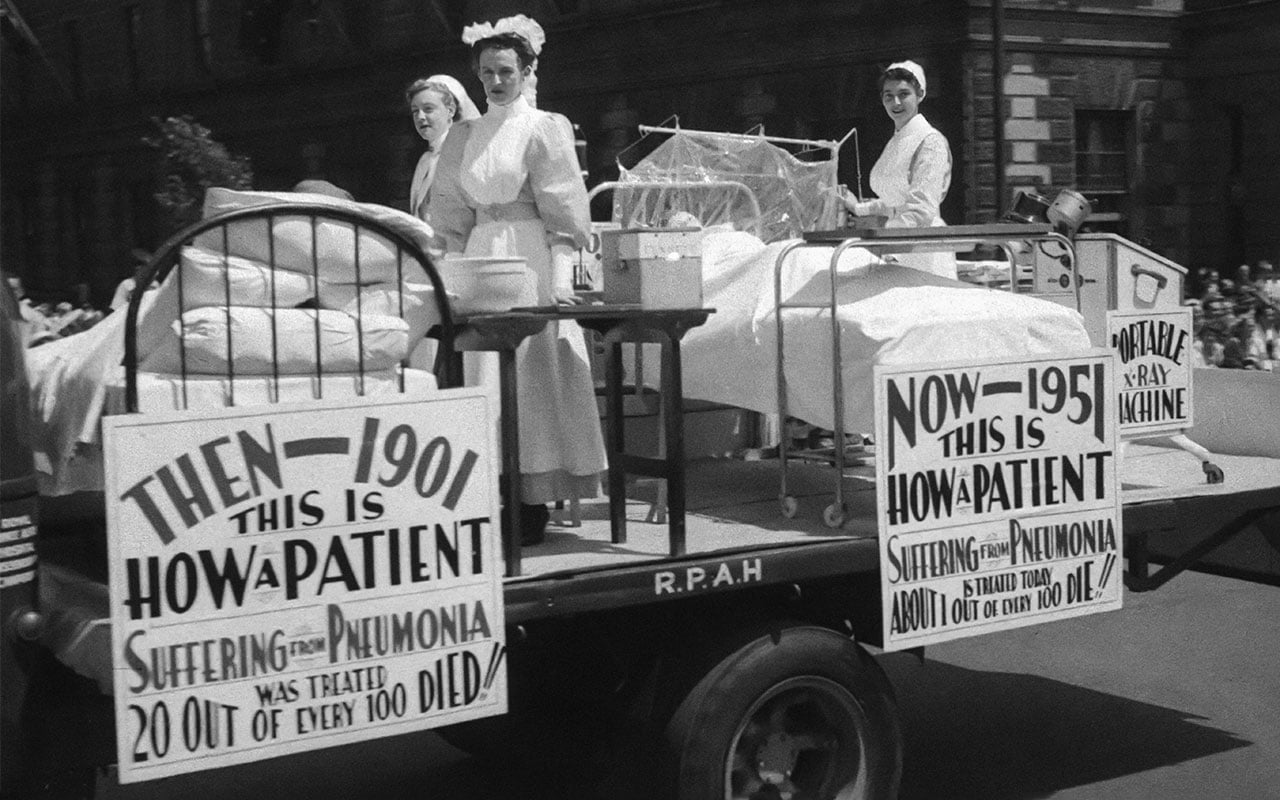
In the mid 1800s, Florence Nightingale revolutionised nursing. She pioneered a kind of patient advocacy that sits at the heart of modern nursing. No longer just handmaids to doctors, nurses provided personal care, emotional support and comfort with work grounded in facts and evidence. Nurses don’t sit on the sideline. Nurses speak up.
I love nurses. I even married one. You can always pick a nurse. Pragmatic, compassionate, data-driven, calm under pressure. The hospital system cannot exist without nurses. They are the life blood of our care system. It is a highly-skilled role. To be a nurse you have to complete a three-year university degree. Many have gone on to do specialised training to work in ICU, or with kids, in lifestyle medicine, in the operating theatre. It’s a workforce that requires study and dedication. It’s a job that requires flexibility, life disruption through shift work, ability to deal with trauma, long hours, and a deep love for humanity. Oh and lots of shit. Actual and metaphorical.
Nurses are the first faces we see at our emergency departments. They hear our stories, they hold our hands, they help us heal.
Nurses save our lives. But we’re not very good at saving theirs.
Most people become nurses because they want to care for patients. It’s the core value that inspires someone to dedicate their life to a caring profession. But the hospital system, like many systems, is overstretched, admin-heavy, not properly resourced, and requires nurses to fill the gaps. It makes their job less patient – and more task-focused. Nurses don’t sign up to work in health to be task-focused. They are there to change the life of people on the wards or in their clinic, not be handmaids to doctors or administrative processes. Minimum staffing for maximum efficiency is burning our nurses out.
NSW nurses are the lowest-paid nurses in Australia. It seems ridiculous that a nurse working in a hospital in Tweed is paid differently on the Gold Coast for the same work. Registration has been nationalised since the early 2000s. So why haven’t we nationalised a nurses award? How do we hope to staff our NSW border hospitals when just a short drive away are better pay and conditions? The same thing is happening with paramedics.
Undervaluing the glue in our system means a crisis is looming. And everyone who works in the system can feel it coming unstuck. And they know why it’s coming. If nurses (and paramedics) were paid fairly and had working conditions commensurate with the quality of care they deliver we would have some hope of retaining them. But we’re not. They’re leaving. And not enough new nurses are coming through. The lack of financial equity is symbolic of a lack of appreciation, and quite frankly it’s not attracting nurses to sign up or to stay. The average nurse starts off with a debt of over $45,000 on an income of around $70,000.
And so, we are losing our nurses. There are predictions of up to an 80,000 shortfall of nurses across the country in the coming decade. That means the system will fail. And then we all suffer. There’s a study that suggest new nurses who sign up for a vocational career, work in the system, and then are so broken by the overwork, stress, burnout and physical exhaustion and the lack of satisfaction with their work because of the task-based nature of state-based efficiencies that within seven years they are deciding to leave. That’s how quickly the system that makes nurses is breaking nurses.
State-based efficiencies are grounded in saving money by screwing nurses. And in the end having a system with no nurses isn’t efficient at all. It doesn’t save us.
So let’s save our nurses.
 For four decades The Echo has printed the stories some people loved, some people hated, and some pretended not to read. If you want us to keep telling the truth, the real truth, not the sugar-coated version. We’ll need your support to keep the presses rolling.


